
Exploring the Espressolab Scandal: An Insider’s View
The ongoing Istanbul Metropolitan Municipality (İBB) scandal has sent shockwaves through Turkish politics, especially with allegations surrounding Aziz İhsan Aktaş , who was apprehended under accusations of leading a criminal organization . The revelations are emerging from investigations that point to corruption and bribery involving city officials, leading to widespread calls for accountability.
Key Players in the Scandal
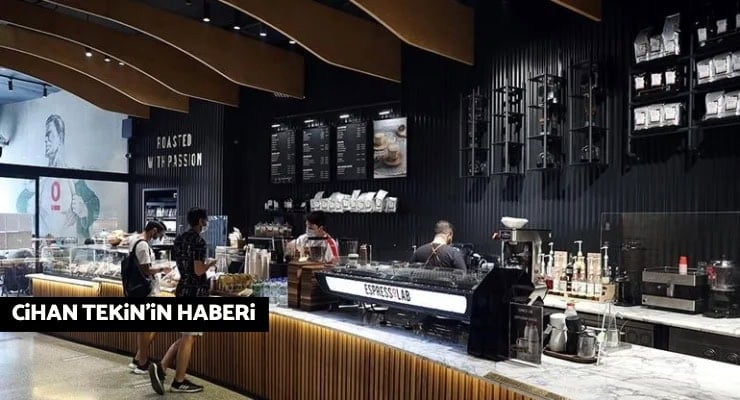
Aziz İhsan Aktaş’s legal troubles began when he became a key informant amid the investigations. He claimed to have received promises for preferential treatment in real estate transactions, particularly regarding the opening of a café named Espressolab in a local shopping mall. According to Aktaş, the mall’s largest retail space was secured for him in exchange for favorable terms.

*Photo: AA (Archive)*
As the investigation unfolds, several public figures, including Rıza Akpolat, the mayor of Beşiktaş , have also been implicated. A total of ten individuals are under scrutiny for committing crimes including membership in a criminal organization , obstructing tenders , and unlawful asset acquisition .
The Implication of ‘Effective Remorse’
Aktaş’s confession falls into the ‘effective remorse’ category, a provision that allegedly allows lower-level offenders to cooperate with authorities to lessen their sentences. In his statement, Aktaş pointed out that a company named Güven Elif OAT A.Ş. relied on Seza Büyükçulha to ensure the smooth processing of various permits.
Aktaş elaborated on the intricacies of the dealings:
“Büyükçulha was promised the largest store in the mall to open Espressolab. He also insisted that no other coffee brands could be present in the mall, a condition Gürkan Dölekli had no choice but to accept.”
This exchange not only highlights the underbelly of business in Istanbul but also raises crucial questions about ethics in local governance.
Who is Seza Büyükçulha?
Seza Büyükçulha has emerged as a significant figure in this controversy. He was one of the 49 individuals targeted during the last wave of the İBB-focused investigations. Accusations of misuse of authority within various branches of the municipality led to his arrest on May 27 .
Büyükçulha is closely linked to Esat Kocadağ , the owner of Espressolab, reportedly having connections to Istanbul Mayor Ekrem İmamoğlu . His arrest illustrates the profound network of influence that has allegedly facilitated this web of corruption.
Who is Gürkan Dölekli?
Another notable name connected to this scandal is Gürkan Dölekli . He first gained attention due to a controversial photograph taken with Mehmet Şimşek , which piqued public interest. Dölekli is known for his association with various construction projects and has reportedly deep connections with both Aktaş and Büyükçulha in this ongoing investigation.

*Gürkan Dölekli (right) Photo: Archive*
Reports suggest that Dölekli is the owner of Güven Asphalt and is associated with Aktaş through shared business interests. The Nefes newspaper highlighted his extravagant lifestyle, calling him an ‘Ihale Kralı’ (Tender King)—a title that signifies the reach and depth of his business dealings.
The Broader Implications
The İBB investigation has brought to light not only the alleged misconduct surrounding the Espressolab café but also the extent of systemic corruption within municipal structures. As more individuals become involved in the legal proceedings, the public remains on edge regarding the transparency of governance.
Questions linger about how deep this web of complicity runs and whether true accountability will ever be delivered. Will these revelations translate into reform, or will they merely be another chapter in the ongoing saga of political corruption in Turkey?
The unfolding situation serves as a reminder that maintaining integrity in governance is not just a moral obligation; it is essential for the health of democracy and public trust. Stakeholders across various levels are urged to prioritize transparency, ensuring that such scandals become increasingly rare.
While the investigations continue, the case of Espressolab underscores the pressing need for reform in how public contracts are awarded and managed in Istanbul. The eyes of the Turkish public remain sharply focused on the outcome of this inquiry, eager to see if justice will be served in a landscape marred by disillusionment and distrust .