
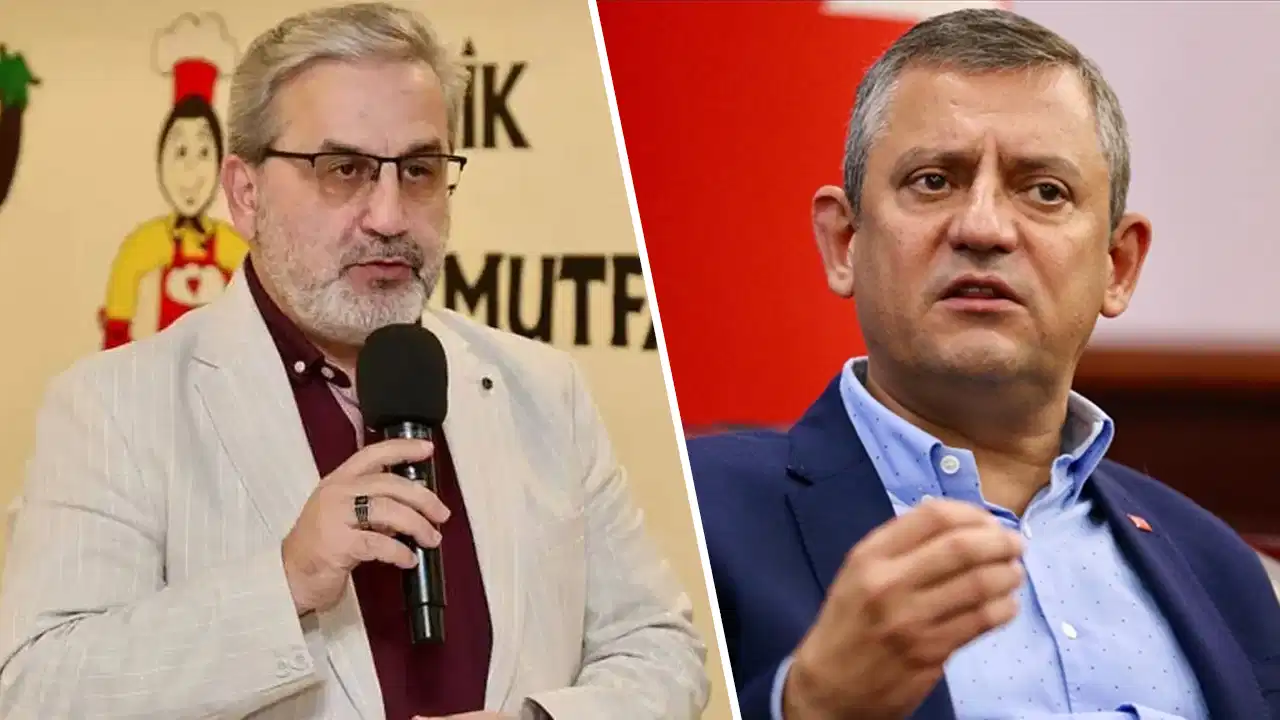
Controversy Surrounds Former Mufti’s Comments on Late Artist Volkan Konak
The recent passing of renowned artist Volkan Konak has left the Turkish cultural scene in mourning, but remarks made by former Çatalca Mufti Ahmet Mehmetalioğlu have sparked controversy. His insensitive comments on social media stating “Sahnede gebermiş” (he died on stage) drew significant backlash.
Despite the backlash, Mehmetalioğlu directed his ire toward Özgür Özel, the General Chairman of the Republic People’s Party (CHP), who publicly criticized the mufti’s remarks. This exchange has not only ignited debate over social decorum but has also raised questions about the responsibilities of public figures.
Disciplinary Actions by Religious Authorities
In the wake of the public outcry, the Diyanet İşleri Başkanlığı (Directorate of Religious Affairs) announced an investigation into Mehmetalioğlu’s comments. He was subsequently transferred to Kocaeli as a preacher. Interestingly, Mehmetalioğlu shared this news on social media, expressing in a post, “Bir savaşa girildiyse bedelini de ödeyeceğiz elhamdülillah. Rabbim bu tayine izin verdiyse daha büyük hayırlar gelecek demektir” (If a war has begun, we will pay the price, thank God. If God has allowed this assignment, it means greater blessings will come).
His words convey a sense of defiance and perhaps an unyielding spirit. According to him, this transfer was not merely a punishment but a divine opportunity for something significant.
A Hostile Exchange on Social Media
The situation escalated when Mehmetalioğlu took to social media again, directly addressing Özgür Özel. In a post laced with threats, he alluded to an incident in which Özel was attacked, saying, “Ey Özgür Özel. Koruma zırhının arkasından atmak kolay” (It’s easy to throw from behind the armor of security). He challenged Özel to confront him in Fatih, asserting that he had yet to experience a real confrontation, stating, “Sen daha tokat yemedin. Sana tokadı ben atacağım bekle” (You haven’t received a slap yet. I will be the one to slap you, just wait).
This defiant attitude may resonate with some but also alienates others who advocate for respectful discourse, especially in the wake of a tragedy.
Cancellation of the Transfer
In a subsequent update, Mehmetalioğlu announced that his transfer to Kocaeli had been canceled, stirring more debate on social media. He declared that he would continue serving as the Istanbul regional preacher instead. “Diyanet Özel’e şaka yapmış” (The Diyanet played a joke on Özel), he remarked, implying that the situation is more about political maneuvering than administrative decisions.
His new role, as he shared, would encompass all mosques within Istanbul, but he admitted the final word lies with higher authorities, humorously implying that he awaits the decisive advice of God.
The Broader Implications of the Dispute
The war of words between an influential mufti and a prominent political leader has wider implications than mere insults and threats. It brings into focus the responsibilities that come with public office, whether in religious or political spheres. The conversations surrounding these events illustrate the growing tensions in Turkish society, where individuals often find themselves navigating between faith, politics, and cultural criticism.
Such incidents prompt reflection on how cultural figures like Volkan Konak are remembered and how their legacies can be honored amid controversy. After all, art and culture are essential components of any society, providing avenues for expression, connection, and healing.
The difficulty remains, however, in reconciling differing perspectives on what is acceptable discourse, particularly from figures who hold significant power within their communities. The mufti’s comments not only reflect a personal viewpoint but also symbolize broader societal attitudes toward tragedy and public decorum.
In navigating the aftermath of Konak’s death and the contentious exchanges that followed, it becomes clear that respectful dialogue is essential. Turkey stands at a crossroads, where expressing grief should not be overshadowed by mockery or hostility. The healing process following the loss of a beloved artist should unite rather than divide, fostering empathy in a time of sorrow.