

| IN BRIEF |
|
The rise of electric vehicles (EVs) has brought significant environmental challenges, particularly regarding the management of used batteries. However, a new and promising approach is emerging, aimed at maximizing the value of end-of-life batteries. Rather than simply dismantling them to extract raw materials, this method offers a much more sustainable perspective. By closely collaborating with recycling companies, automakers aim to give these batteries a second life while supporting a transition toward more sustainable energy systems.
Smart Systems for Used EV Batteries
Used EV batteries hold significant, often underestimated value . The partnership between Nissan and Stena Recycling highlights the potential of these components for effective reuse. By reassessing each unit, the goal is to retain a large portion of the components for a second life, either as spare parts or for energy storage systems. These systems can provide an extended lifespan of up to 15 years , marking a significant step forward in sustainability.
Jon Emil Furuseth from Stena Recycling emphasizes that this initiative goes beyond mere material recycling. By adopting a reuse strategy, the team aims to prolong the lifespan of key components such as nickel and cobalt , while also reducing the environmental footprint and assisting in achieving long-term climate goals. This is a crucial advancement for a circular economy, where every resource is utilized to its maximum potential.
3,600 hours of autonomy: this zinc battery redefines limits with a revolutionary bi-atomic catalyst
Joining Forces for a Green Transition
The collaboration between Nissan and Stena Recycling ensures a steady flow of used batteries. These batteries, retired from circulation by age or insurance, retain substantial reuse potential. Each battery undergoes thorough diagnostics to determine the necessary steps for its reuse.
Their combined expertise in reuse and recycling fosters the development of a commercial system that facilitates the locating , transporting , dismantling , repairing , and securely reusing EV batteries. The support from Enova, a state company under Norway’s Ministry of Climate and Environment, is also a key factor in the success of this project. The Ausenfjellet site, located near Oslo, plays a central role in implementing circular solutions. This initiative demonstrates that cross-sector collaboration can be a powerful driver for change.
A water battery shatters a world record: 600 intense cycles with no capacity loss or degradation
Circular Solutions at the Heart of Innovation
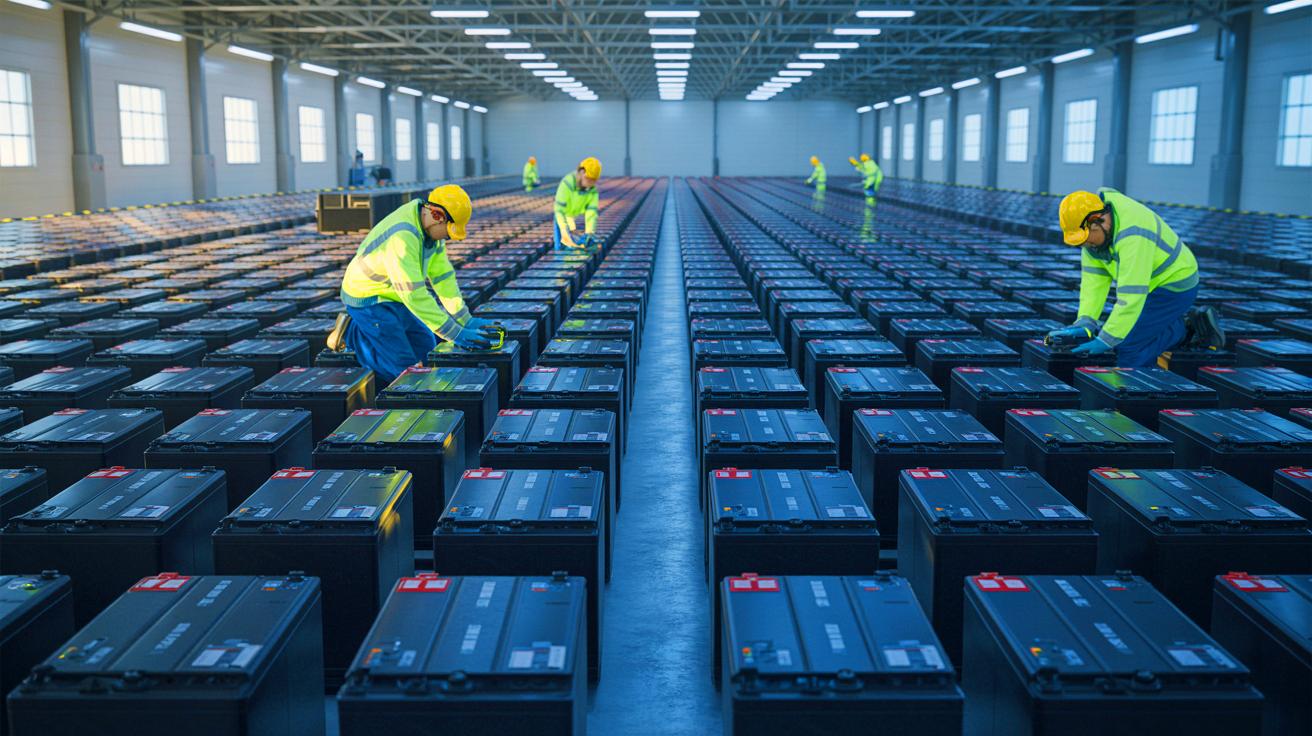
At the Ausenfjellet facility, recycling and reuse are balanced to give new life to used EV batteries. This approach integrates not only the repair of battery modules but also their incorporation into new vehicles or stationary energy storage systems.
The importance of these efforts lies in their ability to substantially reduce waste while conserving valuable resources. The goal is to create a sustainable value chain that supports not only the EV industry but also long-term carbon neutrality objectives. By leveraging innovative solutions, this collaboration exemplifies how the industry can evolve toward more environmentally friendly practices while meeting increasing energy needs.
A Promising Future for EV Batteries
Initiatives like those of Nissan and Stena Recycling demonstrate that the potential of used batteries extends far beyond their initial usage. By valuing every component, these solutions not only prolong the lifespan of materials but also reduce the overall environmental impact. This is a crucial step toward a more circular and sustainable economy.
By establishing dedicated infrastructure and processes for reuse and recycling, companies demonstrate that it is possible to transform environmental challenges into innovative opportunities. The question remains: how can other industries draw inspiration from these practices to adopt similar strategies and contribute to a more sustainable future? The author leveraged artificial intelligence to enrich this article.
Did you enjoy this? 4.6/5 (23)
General News – 2