
LUDOVIC MARIN / AFP
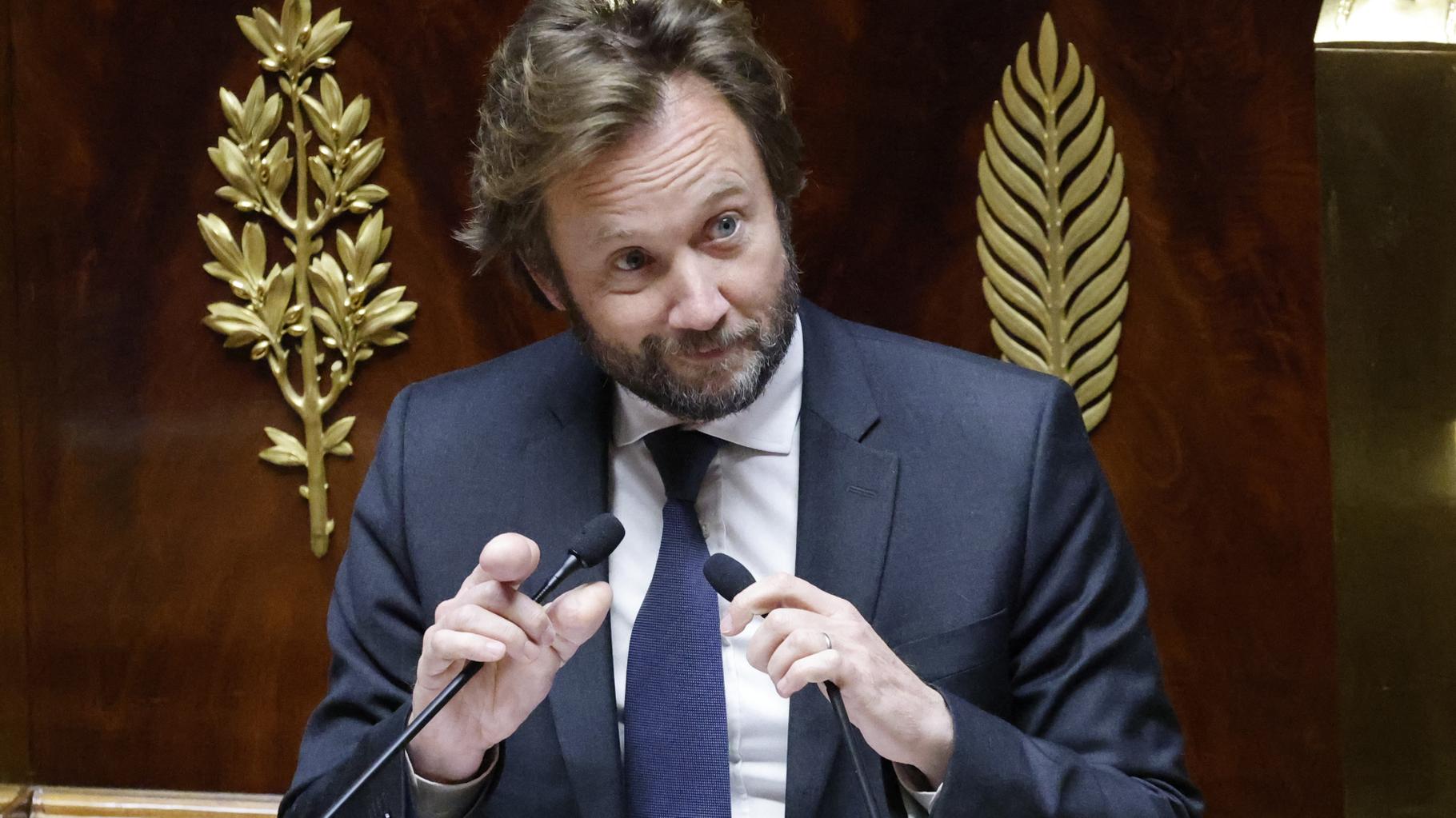
Boris Vallaud, ici en février 2023, votera pour Olivier Faure contre Nicolas Mayer-Rossignol.
In recent political developments, Boris Vallaud , a prominent figure in the Socialist Party (Parti socialiste), arrived in third place during the initial round of the party’s congress. Notably, what sets Vallaud apart is that he has publicly expressed his support for Olivier Faure , the incumbent first secretary, indicating a political strategy he believes will benefit the party moving forward. His declaration came in an interview published on June 1 in Le Monde , where he outlined his reasoning for backing Faure amidst a tightly contested leadership race against Nicolas Mayer-Rossignol , the mayor of Rouen.
The Current Landscape of the Socialist Party
With a crucial second round of voting scheduled, Vallaud’s endorsement may hold considerable weight. He has made it clear that his choice is not a directive for other party members— “My decision is not a mandate,” he emphasized, stressing his commitment to the freedom of militants within the party. Vallaud’s insights provide a glimpse into the internal dynamics of a once-unified entity now facing significant division.
The split within the party has roots that stem from prior leadership contests, particularly the fratricidal congress held in Marseille in 2023. Since then, various factions have emerged, leading to a fragmented political landscape. Vallaud entered this election cycle advocating for reconciliation among the party ranks, prioritizing internal unity. He believes that Olivier Faure , who secured 42.2% of the vote, possesses the legitimacy necessary to lead this reconciliation effort, while Mayer-Rossignol tallied 40.4% . In doing so, Vallaud posits that “the one who came first has the legitimacy and above all the responsibility to unify.”
Vallaud’s support comes with expectations; he asserts, “My vote for Faure will be neither a blank check nor a magic slate.” He underlines the need for the new leadership to address the aspirations for change harbored by the grassroots activists of the Socialist Party. According to him, there exists a pressing demand for strategic inclusivity while also respecting various sensitivities within the party.
Commitments and Expectations
During the discussions with Faure, Vallaud claims he secured “firm commitments from Olivier” regarding his demands and has pledged to remain “vigilant regarding their effective implementation.” This proactive stance displays Vallaud’s intent to hold the leadership accountable, aiming for a more inclusive and responsive governance structure within the Socialist Party.
Having launched his congressional campaign with the objective of unifying a party that has struggled with internal conflict, Vallaud has made significant proposals to reshape its identity. He has championed ideas like “démarchandisation” of society, rolled out an “académie Léon Blum” for training and idea production, and initiated an internal media platform known as Le Nouveau populaire .
His approach signifies a departure from traditional political paradigms; he defines the need to adapt to current realities in order to promote unity. “I have shaken up the logic of block against block,” he stated, emphasizing that the new leader must practice “absolute modesty.” He is keenly aware that if Faure is re-elected, “the PS will not evolve without Nicolas Mayer-Rossignol” or influential figures like Carole Delga , the president of Occitanie.
As the political landscape evolves for the Socialist Party, the upcoming votes will not only determine leadership but also set the tone for future policies and the party’s unity. Boris Vallaud’s actions and words reflect an important turning point in reshaping party dynamics, and whether he can effectively bridge the divides will be pivotal in the coming months.