
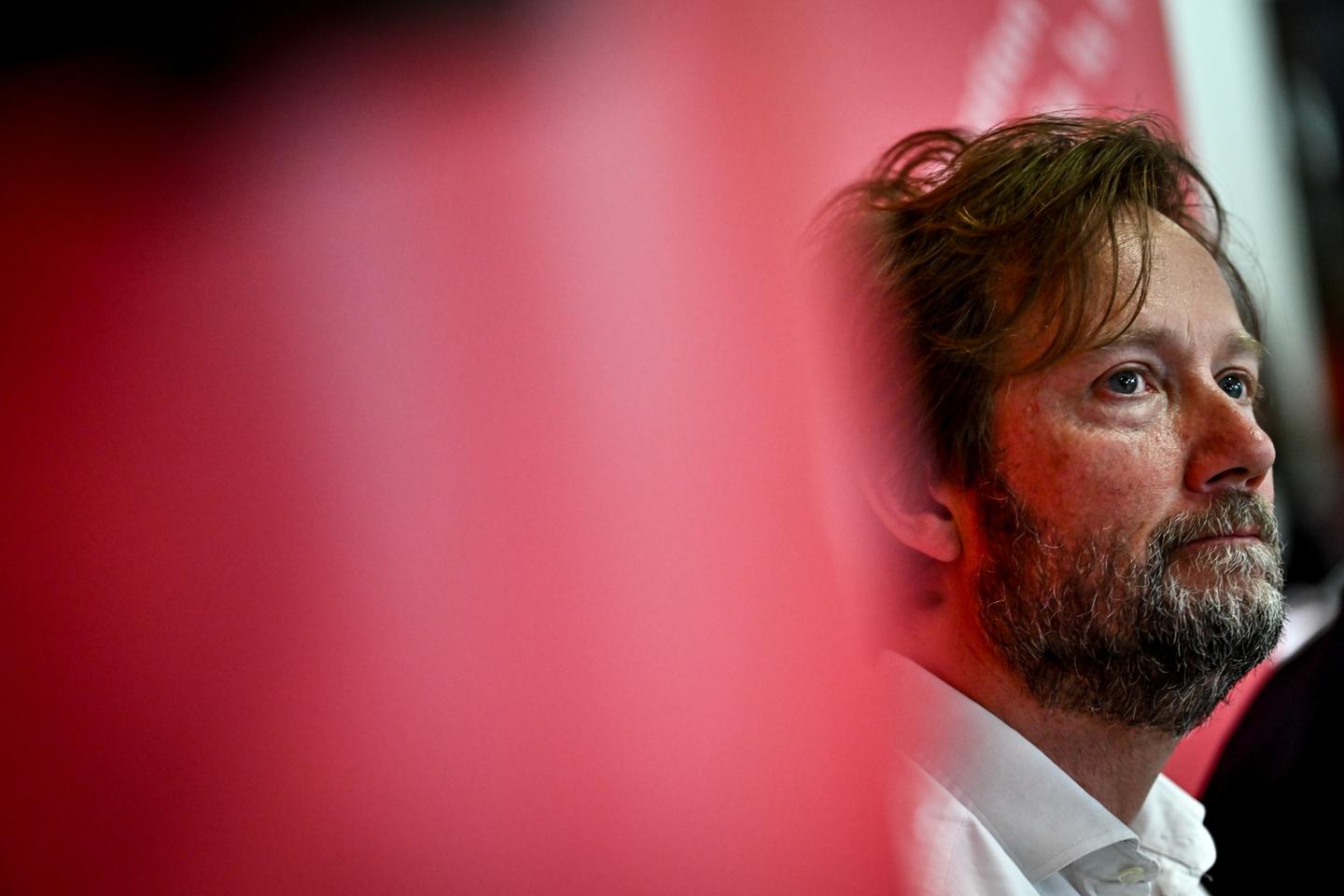

In a pivotal moment for the French Socialist Party (PS) , Boris Vallaud has emerged as a key player in the party’s internal dynamics, even as he portrays himself as merely a participant rather than a frontrunner. As the third candidate in the upcoming party congress, he has publicly declared his support for incumbent first secretary Olivier Faure, setting the stage for a potential paradigm shift within the party ahead of the June 5 election. Notably, Vallaud’s claims of his support being a “personal choice” and not a directive further highlight the complex political landscape of the PS, which has recently faced challenges in unifying its factions.
The Rising Star of the Socialist Party
Boris Vallaud, representing Les Landes , has garnered approximately 18% of the vote in previous polls, a significant accomplishment for a relatively new figure in party leadership. His recent candidacy has surprised many, igniting discussions about the future structure and governance of the PS. During his campaign, Vallaud focused on revitalizing the party and steering it away from factionalism. He emphasized the importance of cohesion and unity among socialists while introducing innovative ideas and approaches to party governance.
Proposals for Change
In his run for leadership, Vallaud outlined a series of transformative proposals aimed at modernizing the party . He advocated for the establishment of a Léon Blum Academy to provide formal training for party members, allowing them to engage more effectively in the political sphere. Furthermore, he suggested the launch of a new publication titled Le Nouveau Populaire , referencing the historic journal Le Populaire that once served as a significant voice for socialists in France. This strategic move aims to both disseminate fresh ideas and re-engage previously disillusioned socialists.
Vision for the Future
Vallaud envisions a PS that embodies both innovation and tradition. He argues for a reimagined political platform that addresses urgent societal challenges, notably the need for decommodification in various sectors. His willingness to push for new policies will likely prioritize social justice, environmental sustainability, and economic equity. Moreover, he sees this congress as an opportunity to confront the divisive “bloc against bloc” mentality that has historically plagued the PS. By prioritizing dialogue and collaboration, he believes that the party can emerge stronger and more unified.
Challenges Ahead
Despite his ambitious plans, Vallaud faces considerable challenges as he navigates the complexities of party politics. His support for Faure will undoubtedly stir reactions among party members with differing viewpoints, especially those aligned with his competitor Nicolas Mayer-Rossignol, who presents an alternative vision for the PS. Vallaud’s call for internal democracy and open dialogues will need to resonate convincingly if he is to secure the trust and collaboration of all factions moving forward.
The Road to Renewal
As the congress date approaches, the importance of Vallaud’s leadership will be scrutinized closely. His ability to bridge ideological divides and foster an environment conducive to growth will be critical in revitalizing the party’s relevance in contemporary politics. The party’s future hinges on its capacity to not only inform and inspire its members but also to connect with the electorate at large.
Given the rapidly changing political landscape in France, Vallaud’s emerging influence could mark a significant turning point for the PS. His calls for unity paired with substantive reforms may resonate well with voters seeking a fresh and coherent social-democratic alternative. Hence, the outcome of this congress may not only define the next steps for the PS but could also have broader implications for the political climate in France as a whole.