
Germany’s Climate Goals: A Divided Stance Among Politicians
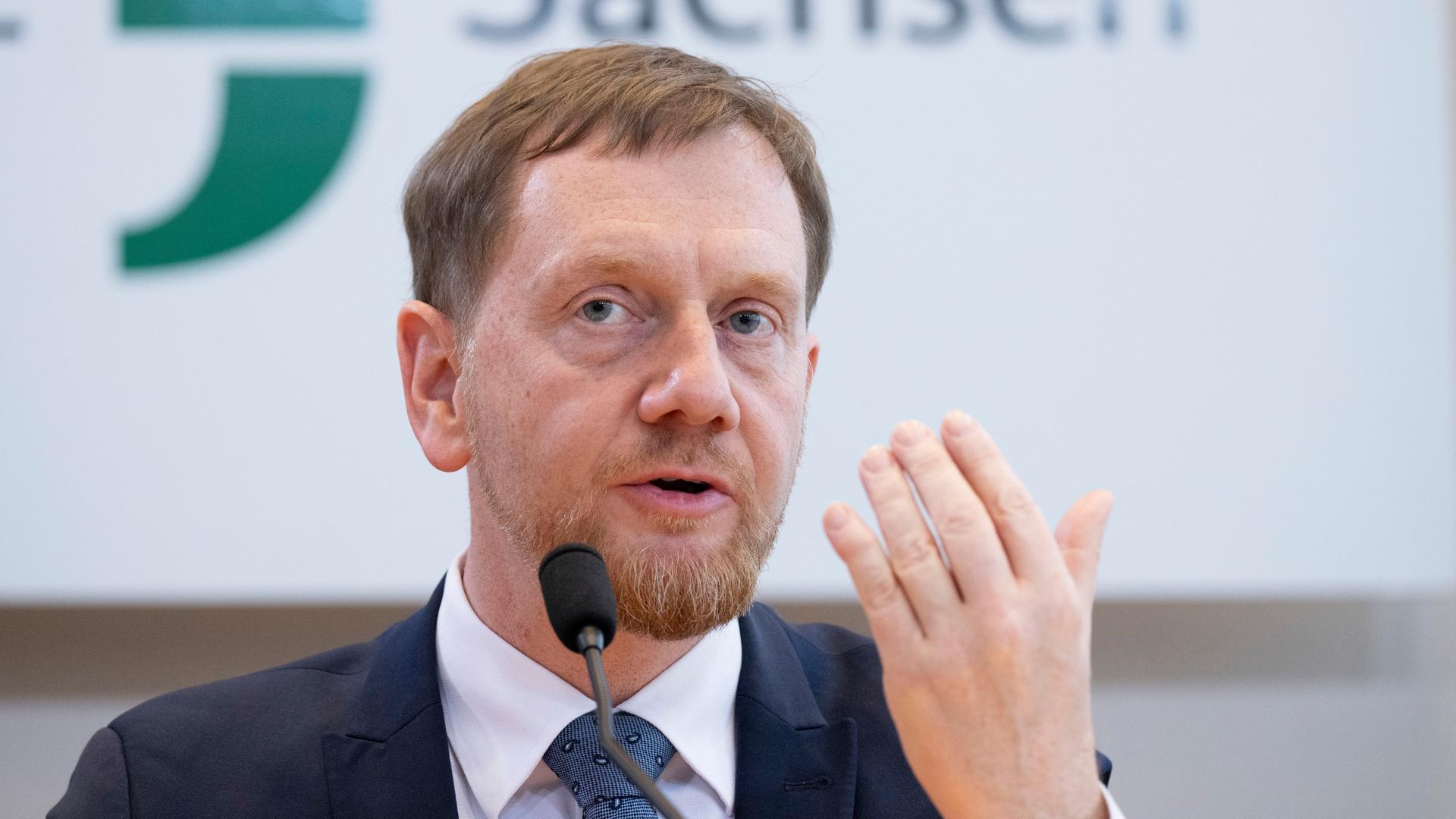
In recent discussions surrounding Germany’s climate policy , political leaders have found themselves at an impasse . The statements made by Michael Kretschmer , the Minister President of Saxony from the Christian Democratic Union (CDU) , have sparked considerable debate. In an interview with “Wirtschaftswoche,” Kretschmer claimed that it would be sufficient for Germany to achieve climate neutrality by 2050 . He argued that if the country wants to return to an economic growth trajectory , the security of energy supply and energy prices are vital. He described the current measures aimed at addressing climate change as “a destruction of prosperity.”
Contrasting with Kretschmer’s perspective, Stephan Weil , Minister President of Lower Saxony from the Social Democratic Party (SPD) , emphasized the critical importance of climate protection . Weil argued for increased investments to adapt to climate change and stated that such funding should come from the billion-euro infrastructure package promised by the federal government.
The Government’s Climate Commitment
Germany has set ambitious goals, vowing to become climate-neutral by 2045 . This commitment is encapsulated in a constitutional amendment supported by the new coalition government formed by the CDU and SPD . However, despite the political consensus on goals, many environmental activists have criticized the government, accusing it of taking insufficient actions towards climate protection. Critics underline that the coalition agreement purportedly sidesteps crucial issues pertaining to sustainability.
Germany’s climate action plan aims to cut greenhouse gas emissions significantly across all sectors, including transportation, industry, and residential heating. The Federal Ministry for the Environment states that achieving these objectives is not only essential for the environment but is also a matter of social responsibility and economic viability.
Prosperity Versus Sustainability
The contrasting viewpoints of Kretschmer and Weil reflect a broader debate within German politics – one that questions whether the pursuit of economic growth can coexist with the immediate need for environmental protection. Kretschmer’s comments suggest a fear that aggressive climate policies may jeopardize the livelihoods of ordinary citizens and businesses by driving up energy costs. In his view, the current strategies may lead to detrimental economic consequences, stifling innovation and economic vitality.
Weil, on the other hand, argues that investing in climate-friendly technologies will ultimately foster economic dynamism rather than hinder it. He emphasizes the long-term benefits of transitioning to renewable energy and adaptive measures, which not only safeguard the environment but also create jobs and stimulate new markets. This is a recurring theme that resonates amid contemporary discussions on sustainability .
The Role of Public Sentiment
Public sentiment in Germany is increasingly leaning toward supporting more decisive climate action. Polls show that a significant portion of the population prioritizes climate protection over short-term economic concerns. However, there remains a need for politicians to demonstrate that ambitious climate goals do not come at the expense of economic stability.
As the German government navigates this complex landscape, international obligations under agreements such as the Paris Accord further complicate the debate. Lawmakers are tasked with finding a balance that addresses both the urgency of climate action and the necessary economic conditions for citizens to thrive. Furthermore, this requires a collaborative approach across political parties, businesses, and communities to develop comprehensive and equitable climate strategies.
In summary, the climate discourse in Germany illustrates the tension between the urgency of climate initiatives and the fears surrounding economic consequences. Leaders from both sides must engage in meaningful dialogue to ensure that actions taken are both effective for the environment and supportive of the economic needs of the populace. As the nation strives to meet its climate goals, finding this balance remains crucial for sustainable growth in the years to come.