
The American Tariff Escalation: Implications for Global Trade
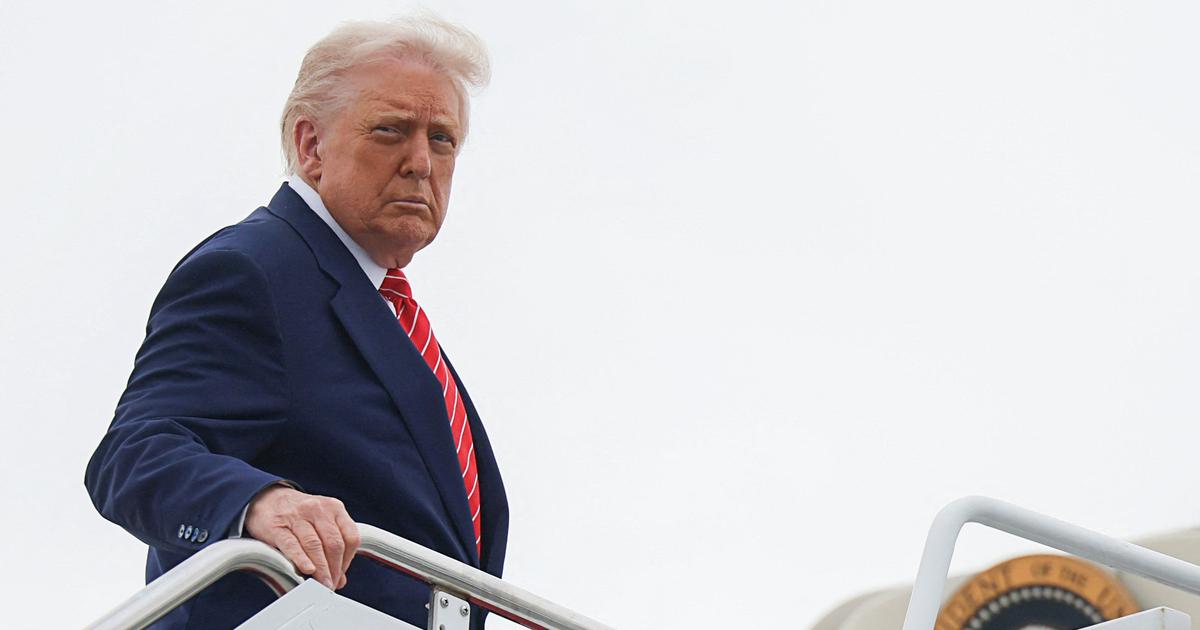
The recent announcement by President Donald Trump regarding an increase in tariffs on steel and aluminum has sparked significant concern on both sides of the Atlantic. On May 30, 2023, Trump declared that tariffs would rise from 25% to 50%, marking a decisive escalation in his administration’s protectionist policies. This move has raised alarms about its potential repercussions for international trade and diplomacy.
The European Union (EU) has voiced its disappointment over this decision, stating that it undermines ongoing efforts to reach a negotiated solution with the United States. A spokesperson for the European Commission emphasized that if a mutually acceptable resolution isn’t found, European countermeasures will automatically come into effect by July 14, or even sooner if circumstances necessitate. This reaction illustrates the tension between the U.S. and its European allies, who fear an escalating trade war that could destabilize the global economy.
Economic Burdens on Consumers and Businesses
In a sharp critique, the European Commission underlined how Trump’s tariff hike introduces additional uncertainty to an already fragile global economy. They argue that these taxes will lead to increased costs for consumers and businesses on both sides of the Atlantic. The implications are dire—higher prices for metal products could lead to increased costs across various sectors, from construction to manufacturing.
Trump’s administration has long maintained that such tariffs are essential for protecting American jobs and industries. However, economic analysts warn that the increased costs passed onto consumers could stave off investment and growth. As a central tenet of his economic policy, Trump’s tariffs on steel and aluminum represent not only a domestic strategy but also a confrontational approach to international relations.
Time for Negotiations: The Push for Diplomacy
Despite these tensions, there was a glimmer of hope for diplomacy as Europe sought a new momentum in negotiations following a recent phone call between President Trump and EU Commission President Ursula von der Leyen. Their discussions raised expectations for more talks, especially as a ministerial meeting of the OECD is set to take place in Paris. These diplomatic efforts highlight the juxtaposition of heavy-handed taxation against the backdrop of international cooperation.
The EU has previously faced tariffs on multiple occasions over the past months, including a 25% tax on automobiles and 20% on various European goods. However, a recently announced suspension allows for negotiations until July 9. This brief reprieve could serve as a critical window for both parties to engage in dialogue.
Legal Restrictions and Ongoing Court Cases
Interestingly, the tariffs may face legal obstacles as two U.S. courts ruled that the president may not possess the authority to impose certain tariffs unilaterally. However, these tariffs will remain active until a court provides a definitive ruling, adding another layer of uncertainty to the Business Community in both the U.S. and Europe. These legal challenges highlight the complexities of implementing unilateral trade policies that may clash with domestic laws and international agreements.
The administration’s protectionist stance, while positioned as pro-business, has been criticized as counterproductive. Experts assert that the long-term economic consequences could undermine the very industries these tariffs aim to protect.
The Stakes for Global Trade
Trump’s aggressive tariff policies have raised questions about the future of global trade dynamics. Historically, tariffs have often led to retaliatory measures, creating a vicious cycle that can ultimately harm both domestic industries and consumers. As countries engage in tit-for-tat measures, the risk of falling into a broader trade conflict looms large.
Retailers and manufacturers are already adjusting their strategies to cope with these new realities, which could lead to potential layoffs or shifts in supply chains. The increase in costs is expected to trickle down, affecting not just large corporations but also small businesses and everyday consumers.
As nations navigate these turbulent waters, the importance of multilateral diplomacy cannot be understated. The need to foster cooperative trade relationships and seek amicable solutions is paramount for the health of the global economy.
Le président américain a annoncé vendredi 30 mai que la surtaxe sur l’acier et l’aluminium passerait de 25 à 50%.