
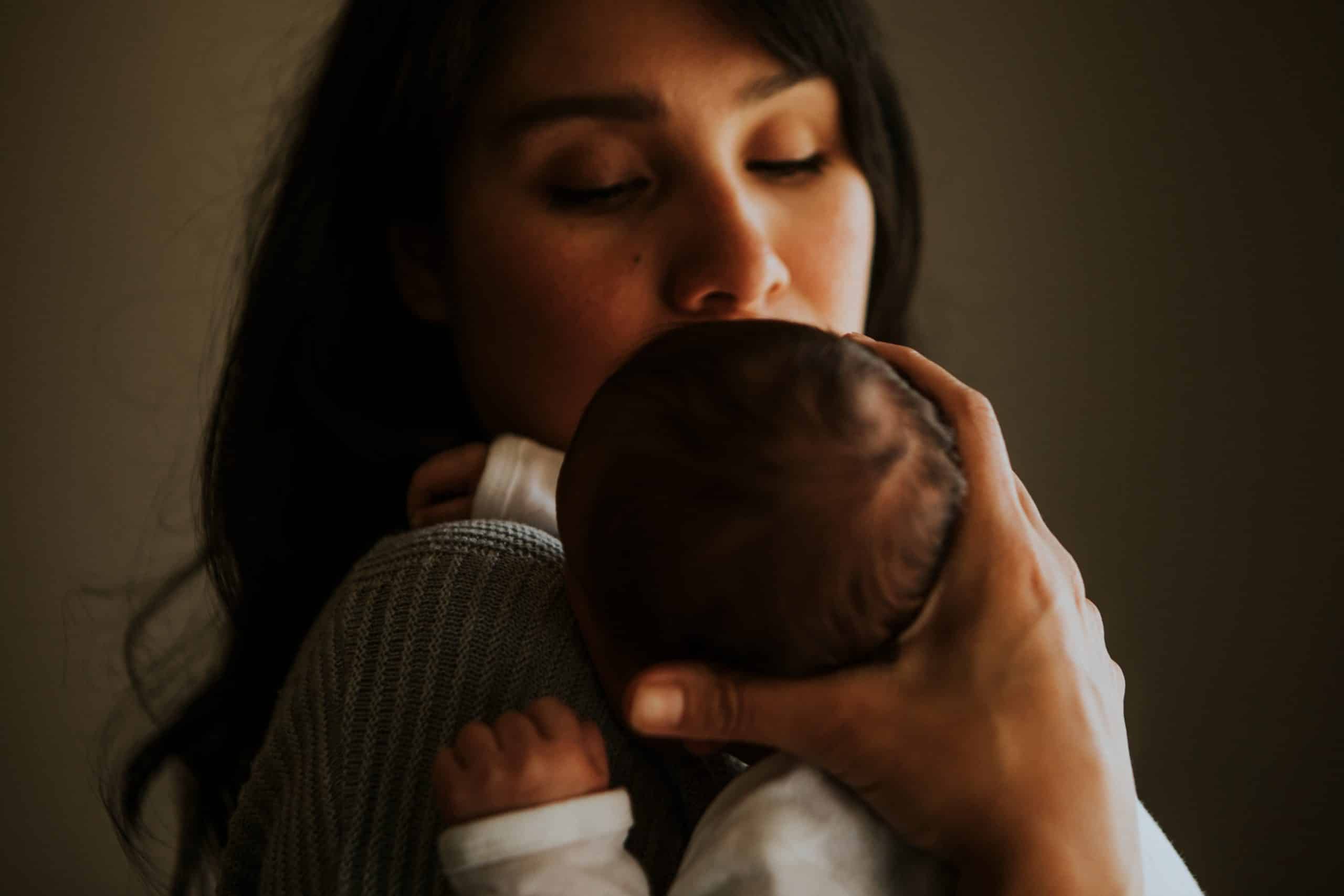
Un phénomène massif mais mal reconnu
The perinatal period —which spans from the beginning of pregnancy until the first weeks after childbirth—represents a time of intense vulnerability for women’s mental health . In France, however, systematic screening for postpartum depression is not organized, unlike in countries such as the UK and Australia.
In 2022, the Haute Autorité de santé (HAS) issued recommendations calling for better recognition of psychological distress signs. Yet, in practice, very few consultations integrate a mental health assessment due to a lack of training among professionals, insufficient time, or the absence of clear protocols. Consequently, many disorders go unnoticed or are dismissed as mere temporary baby blues .
Nonetheless, the symptoms can be severe: dark thoughts, panic attacks, emotional withdrawal from the baby, sleep disturbances, or appetite issues. Their consequences extend beyond the mother’s experience, impacting the mother-child bond, the infant’s development, and the stability of the entire family unit.
Les chiffres qui dérangent
A study conducted by Santé publique France in 2023, surveying over 12,000 mothers, revealed alarming statistics:
- 16% of women report marked depressive symptoms between the 6th and 8th weeks postpartum.
- 40% say they did not receive adequate listening or psychological support proposals.
- The most affected women are often those in precarious circumstances, single mothers, or those who experienced a traumatic birth.
Additionally, suicide during the postpartum period is the second leading cause of maternal mortality in France, a fact that is still too little publicized.
Principaux troubles psychiques en période post-partum (France, données Inserm/Santé publique France)
| Trouble identifié | Prévalence estimée | Symptômes fréquents | Conséquences possibles |
|---|---|---|---|
| Dépression post-partum | 15 à 20 % des jeunes mères | Tristesse intense, perte d’intérêt, fatigue extrême | Retrait du lien mère-bébé, isolement, risque suicidaire |
| Anxiété généralisée | 10 à 12 % | Inquiétudes permanentes, crises d’angoisse, troubles du sommeil | Épuisement, difficulté à gérer le quotidien |
| Trouble de stress post-traumatique | 3 à 6 % | Reviviscences de l’accouchement, évitement, hypervigilance | Difficulté à retomber enceinte, trouble du lien conjugal |
| Psychose puerpérale (rare mais grave) | 1 à 2 pour 1 000 naissances | Hallucinations, confusion, comportement désorganisé | Urgence psychiatrique, risque pour la mère et l’enfant |
Des femmes qui souffrent dans le silence
Far too often, the voices of mothers are stifled by societal pressures to be happy. This social, familial, and sometimes medical pressure discourages them from expressing their distress. Admitting that one is not well after bringing a child into the world remains a taboo. Shame, fear of judgment , or being labeled a “bad mother” can hinder the request for help.
The sooner a disorder is addressed, the more effective the treatment becomes. Short-term psychotherapy, sometimes combined with appropriate medication , can lead to a rapid and sustainable recovery. However, it is essential that women are identified, listened to, and directed towards the right support.
Un appel à transformer le système
Calls are being made for perinatal mental health to become a priority in maternity care. This requires:
- The establishment of systematic postpartum consultations including a mental health assessment.
- Enhanced training for midwives, family physicians, and pediatricians in detecting disorders.
- The development of dedicated facilities, such as 1000 Days Houses or mother-baby hospital units .
- And above all, a sociatal change in perspective that allows for acknowledging that motherhood can also be a struggle.
Une souffrance encore trop invisible
Giving birth does not necessarily mean being reborn. For many women, motherhood is not immediately synonymous with happiness , and this reality must be recognized. Ignoring the mental health of new mothers allows an avoidable distress to set in, imposing a significant human and social toll.
Awareness is growing, yet resources still lag behind . As long as women continue to suffer in silence after giving life, the concept of a truly holistic approach to childbirth remains unattainable. Protecting an infant’s health also means—most importantly— taking care of its mother .