
Transportation Disruption in Istanbul: Taksim Station Closed
In a significant move affecting thousands of commuters and tourists, Metro İstanbul announced the closure of key transportation hubs in the heart of the city today. As of 3 PM , Taksim and Şişhane stations, along with the entrance to İstiklal Avenue and the F1 Taksim-Kabataş Funicular Line have been officially closed to the public. This decision follows directives from the Istanbul Governor’s Office , aiming to manage anticipated gatherings in the area.
The Announcement and Reasons Behind Closure
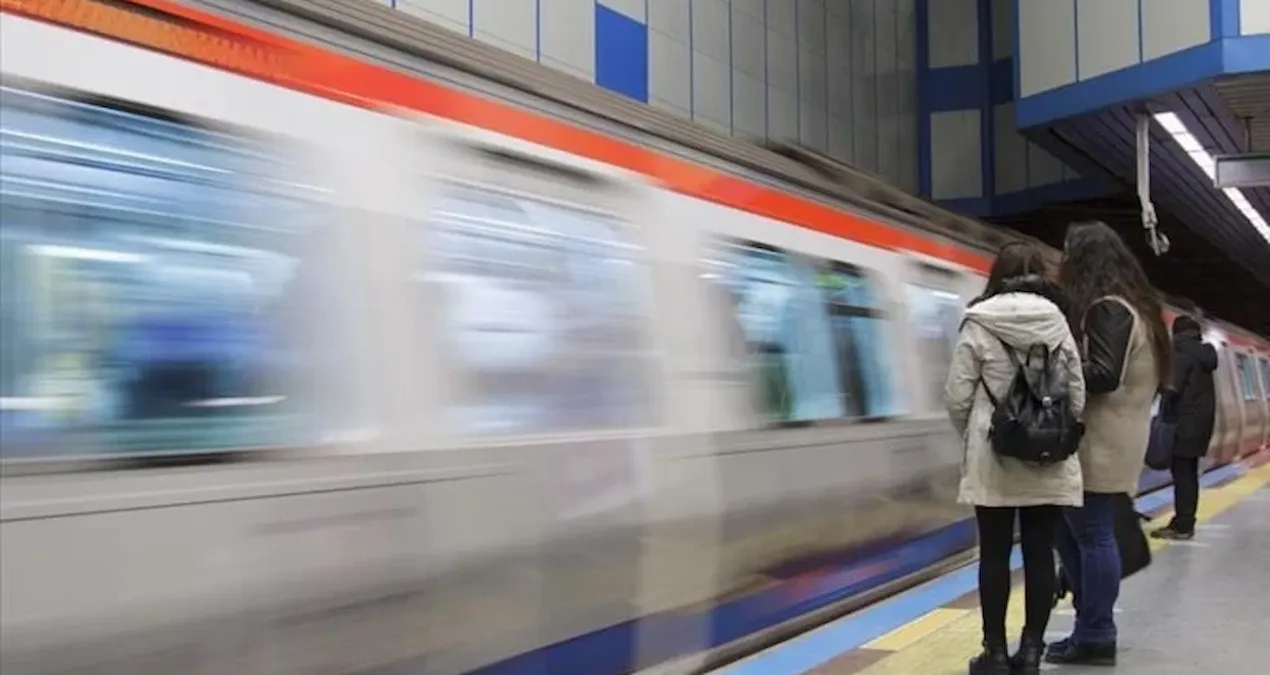
In a formal statement, Metro İstanbul clarified, “In alignment with the decision made by the Istanbul Governor’s Office, as of 3 PM today, our M2 Yenikapı-Hacıosman Metro Line will keep Taksim station and Şişhane station at the İstiklal Avenue entrance closed to operations. Our vehicles will not stop at the Taksim station but will continue their journeys without interruption.” This operational change is designed to ensure safety and order as the city prepares for potential events related to commemorations .
The closure coincides with the 12th anniversary of the Gezi Park protests, a significant event in Turkey’s recent history. Taksim Solidarity , an umbrella organization of various groups, called for gatherings at Taksim Square to commemorate the protests. The Gezi Park movement played a pivotal role in shaping political activism in Turkey, making the anniversary a focal point for renewed discussions and demonstrations. Many observers speculate that the transport closure is a preventive measure to mitigate the potential for unrest as citizens gather to voice their sentiments.
Impact on Commuters and Tourists
The sudden closure of these stations has left many commuters scrambling for alternative transportation options. Taksim Square is not only a central hub for public transport but also a popular destination for tourists exploring the rich culture and history of Istanbul. With numerous hotels, restaurants, and shopping venues surrounding the square, the impact of this closure is felt immediately.
Public transit users are urged to plan their routes accordingly. While buses and other metro lines continue to operate, the Taksim area’s closure may lead to increased congestion and delays in surrounding traffic. Local authorities have advised travelers to utilize alternative routes and to remain informed through public announcements regarding service updates.
Public Reaction and Safety Concerns
The public response to the closure has been mixed. Many commuters express understanding of the necessity, citing safety and order as top priorities. However, some locals and regular travelers are frustrated by the sudden disruption to their daily routines. Social media platforms have seen a flurry of activity, with users sharing their experiences and concerns about navigating the unpredictable urban landscape.
Moreover, there are growing concerns regarding the balance between public safety and civil liberties, especially on a day that holds historical significance for many in Turkey. The proactive closure of transportation can be seen both as a tactical approach to manage large crowds and an infringement on citizens’ right to assemble peacefully. The conversation surrounding this balance is likely to unfold further as the anniversary date focuses attention on earlier events of civil protest.
Plans for the Future
The Istanbul Governor’s Office has not yet provided a timeline for the reopening of Taksim and Şişhane stations, nor have they confirmed if further transportation restrictions will follow. City officials have confirmed that they are closely monitoring the situation and assessing activities throughout the area. This incident highlights the ongoing tension within urban governance, especially concerning public events that can evoke strong emotions in communities.
Future plans to enhance security measures in public places, as well as the strategies for managing gatherings, will likely be discussed in the upcoming weeks. This situation serves as a reminder of the delicate balance between maintaining order and ensuring the rights of citizens in a vibrant, dynamic urban setting.
Amid all these developments, it’s crucial for residents and visitors to stay updated through official channels and to remain aware of any further changes in the transportation system or public gathering regulations. Awareness is key in what promises to be a period filled with activity and perhaps, heightened emotions as the city reflects on its past. As the memories of Gezi Park continue to resonate, which shaped the fabric of Istanbul’s current social and political landscape, the unfolding situation serves to remind Istanbulites and visitors alike of the city’s complex and rich history.