
Donald Trump’s Return to the Steel Industry: A Shift in Strategy
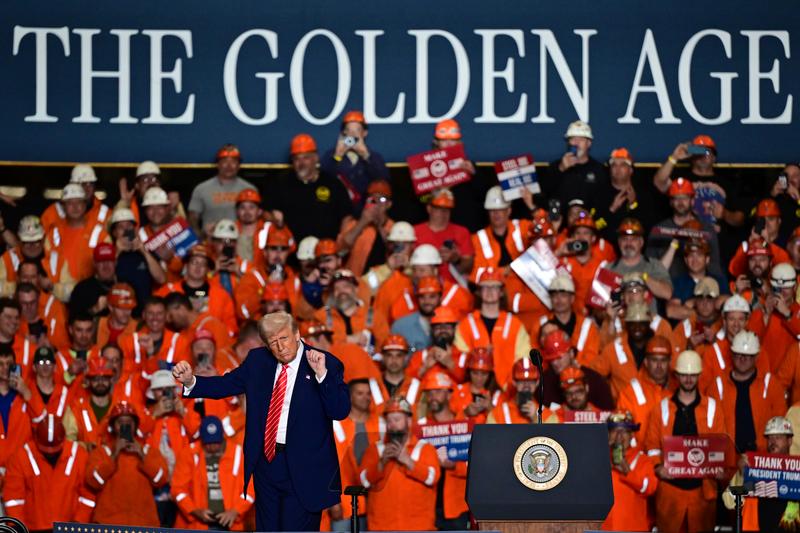
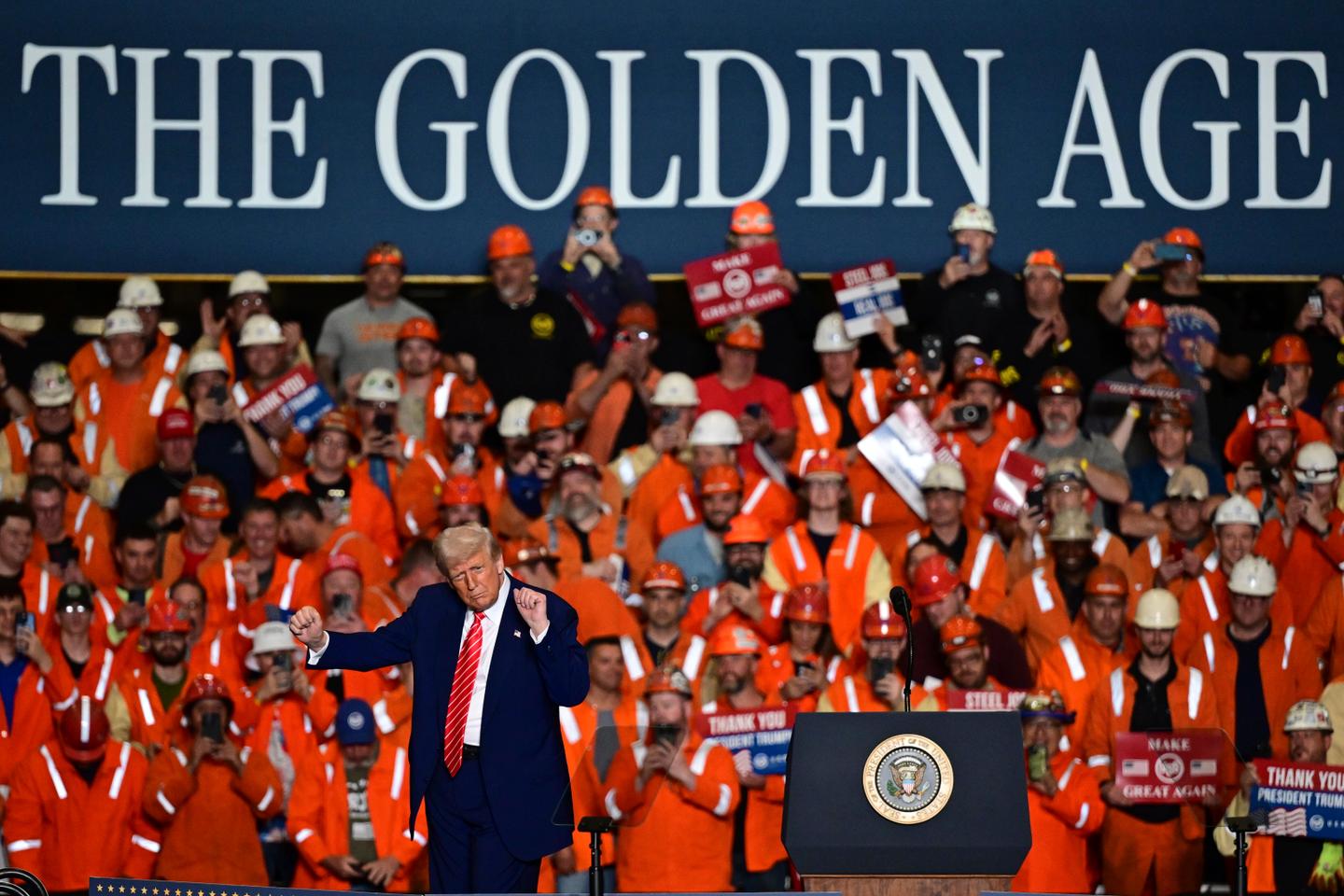
On May 30, 2025, Donald Trump made headlines as he was honored as an “Honorary Steelworker” at a rally in Pittsburgh, Pennsylvania . The event was held at the renowned US Steel Mon Valley Works, where Trump received a sweatshirt bearing the number 47, denoting his position as the 47th President of the United States . Attendees, including dozens of enthusiastic steelworkers clad in red uniforms, celebrated his return to the industry, although it marked a significant shift in strategy concerning Japanese investments in US steel.
During his original presidential campaign, Trump pledged to oppose the acquisition of US Steel by Japanese firm Nippon Steel . Just over a year prior, he declared, “The fact that Japan could acquire US Steel is a horrible situation. I would block this instantly.” His strong rhetoric was aimed at appealing to the unionized steelworkers in the United States, a key voter demographic. However, as he returned to the political arena, Trump appeared to face the complexities of financial realities and industry dynamics. His recent about-face demonstrates a pragmatic approach; understanding that the survival of US Steel likely hinged on the substantial investments promised by Nippon Steel in American operations.
The backdrop of this transformation is rooted in the historical significance of Pittsburgh as a symbol of America’s industrial might . The region has long been the heart of steel production in the U.S., and its well-discussed economic struggles have reaffirmed the necessity of attracting foreign capital for revitalization. Trump noted, “This partnership between US Steel and Nippon Steel is pivotal not only for preserving current jobs but also for creating new opportunities within the American steel sector.”
The deal’s significance extends beyond immediate economic impacts. It reflects broader trends in globalization and the interconnectedness of industries worldwide. In a hyper-competitive landscape, few countries possess the resources—both financial and technical—needed to rejuvenate aging industrial facilities. The announcement also resonates amid ongoing national conversations about trade policies and the balance between protectionism and foreign collaboration.
Despite Trump’s historical skepticism towards Japan’s industrial ambitions in the U.S., this latest endeavor represents an evolving narrative. It highlights a scenario where national interests must often align with global realities. The long-term goal, as laid out by Trump, includes training programs aimed at improving the skills of American workers to compete effectively in this new landscape .
Challenges remain, particularly considering the public’s mixed responses to Trump’s return. Supportive attendees at the rally applauded his efforts to keep plants operational, while skeptics remain wary of his sudden endorsement of foreign investments. The dichotomy reflects ongoing tensions within political and socio-economic dialogues, emphasizing the complexity of leading a nation grappling with outdated manufacturing paradigms.
As Trump concluded his speech, he reiterated a familiar theme of American revival . “We will be a steel powerhouse again,” he claimed, feeding into optimism among supporters that he could fulfill his promise of revitalizing American industries. The conscious pivot towards collaboration with foreign entities has left many questioning whether this represents a genuine change in philosophy or a calculated political maneuver.
Clearly, the marriage of domestic innovation and international investment is crucial for revitalizing sectors burdened by declining growth . Moving beyond reactive measures will require comprehensive planning and execution. If embraced correctly, the partnership between US Steel and Nippon Steel may stimulate both immediate job growth and long-term economic resilience, setting a precedent for future collaborations.
In this era of industrial transformation, Trump’s dual role as a symbol of both American craftsmanship and global partnerships unveils a new chapter in national discourse—one that emphasizes the necessity of adaptation in an ever-evolving landscape.