
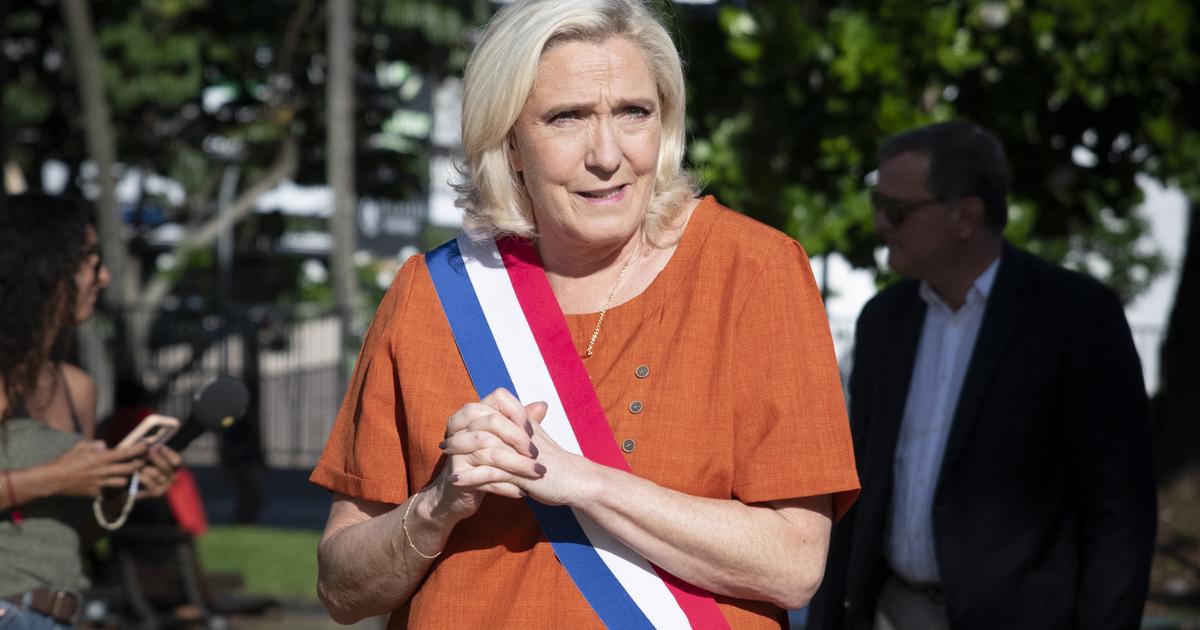
Marine Le Pen Confronts Dissent in New Caledonia
REPORTAGE – The President of the National Rally at the National Assembly faced significant backlash from residents of Mont-Dore South, a community affected by last year’s riots. Her proposal for a fourth referendum in "thirty or forty years" ignited anger among loyalist activists.
Under the watchful glances of local militias, Marine Le Pen’s visit to New Caledonia was nothing short of tumultuous. On the third day of her journey, after an initial reception filled with smiles, French flags, and flower bouquets, the atmosphere shifted dramatically. Two hours into her meet-and-greet session with supporters, the hopes of promoting economic recovery through a political agreement turned sour. Residents, weary of being marginalized, confronted her with loud chants and palpable dissent.
Le Pen’s proposal of an “institutional pause” aimed at facilitating discussions surrounding impending political agreements struck a nerve. Many locals interpreted this as a veiled attempt to sidestep immediate concerns. One local protestor exasperatedly shouted, “We don’t want that! We’ve already voted three times against independence.” Their identity as loyal French citizens stood firm beneath the emotional weight of a potential fourth referendum.
A Tumultuous Political Landscape
Since the 1980s, New Caledonia’s political landscape has entrenched itself in a cycle of unrest and division. The past year’s riots highlighted chronic tensions over independence between Kanak nationalists and loyalists. To suggest another referendum after three previous defeats felt like re-opening old wounds for many.
Le Pen, carrying aspirations of unifying and mobilizing the French territories, misjudged the sentiments of Mont-Dore’s residents. They were not merely looking for economic opportunities; they sought respect for their identities, dignity, and assurances that their voices would not continue to be overlooked.
"People here are tired of being treated as political pawns," retorted Samia, a vocal member of the local community. "We want real commitment, discussion, and recognition of our grievances."
Rallying Behind Common Goals
Despite the turmoil surrounding her visit, it was evident that Le Pen aimed to lay the groundwork for a dialogue rooted in economic recovery. The tour also attempted to showcase the importance of New Caledonia’s strategic location and resources. However, her emphasis on institutional reforms failed to resonate with a populace yearning for stability.
"We stand unified for our land and our rights," stated Paul, a leader among local loyalist groups. The residents’ passionate reactions to Le Pen’s propositions echoed a deep-seated desire to assert their rights over their homeland while also underlining the complexities of identity politics in a territory divided along historical lines.
The upheaval raised broader questions about the French government’s responsibilities towards its overseas territories. As tensions brew, the shadows of previous referendums linger, highlighting the urgent need for transparent communication and collaboration.
Demographics and Discontent
The distinguishing factor in this situation is the demographic composition of New Caledonia, where an indigenous Kanak population exists alongside loyal French expatriates. Each group carries unique grievances, aspirations, and perspectives on what it means to belong.
Young activists, such as Kristel, expressed frustration, commenting, “Can we find a solution among our differences? At the moment, we feel as though we are unheard. Le Pen’s rhetoric does not cater to our realities.” The urgency for a more inclusive approach reverberates among both political factions, indicating a fracture that cannot be ignored.
The Road Ahead
As political gamesmanship plays out, the future of New Caledonia hinges on recognizing the voices of its diverse populations. Leaders must prioritize listening and empathizing with their constituents rather than merely pushing agendas to foster viable economic prospects.
Le Pen’s chosen narrative of economic recovery runs the risk of falling on deaf ears if it does not encompass a genuine dialogue of reconciliation. As such, community leaders call for dedicated efforts focused on unity rather than division.
In closing, the passionate response from residents exemplifies a broader struggle for identity and place in a changing landscape. The road ahead requires authentic engagement and commitment to safeguard the futures of all New Caledonians while addressing historical grievances. Respect, rather than rhetoric, is the foundation for healing and progress in this volatile yet vibrant region.