

President Erdoğan delivered a compelling speech at the 2nd Istanbul World Islamic Economy Summit held at the Istanbul Financial Center.
Following his announcements regarding a zero-interest economic policy, stocks on the Istanbul Stock Exchange (Borsa İstanbul) plummeted by nearly 2% . Erdoğan stated, “As Tayyip Erdoğan, I will continue to vocally express my longing for a zero-interest economy.”
The markets reacted sharply to Erdoğan’s statements. The BIST 100 index, which began the day at 9,161 points , fell to 8,993 points after his remarks about “longing for non-interest policies,” marking the first time since March 24 that it dipped below 9,000 points . However, it rebounded slightly to 9,043 points as of 4:08 PM.
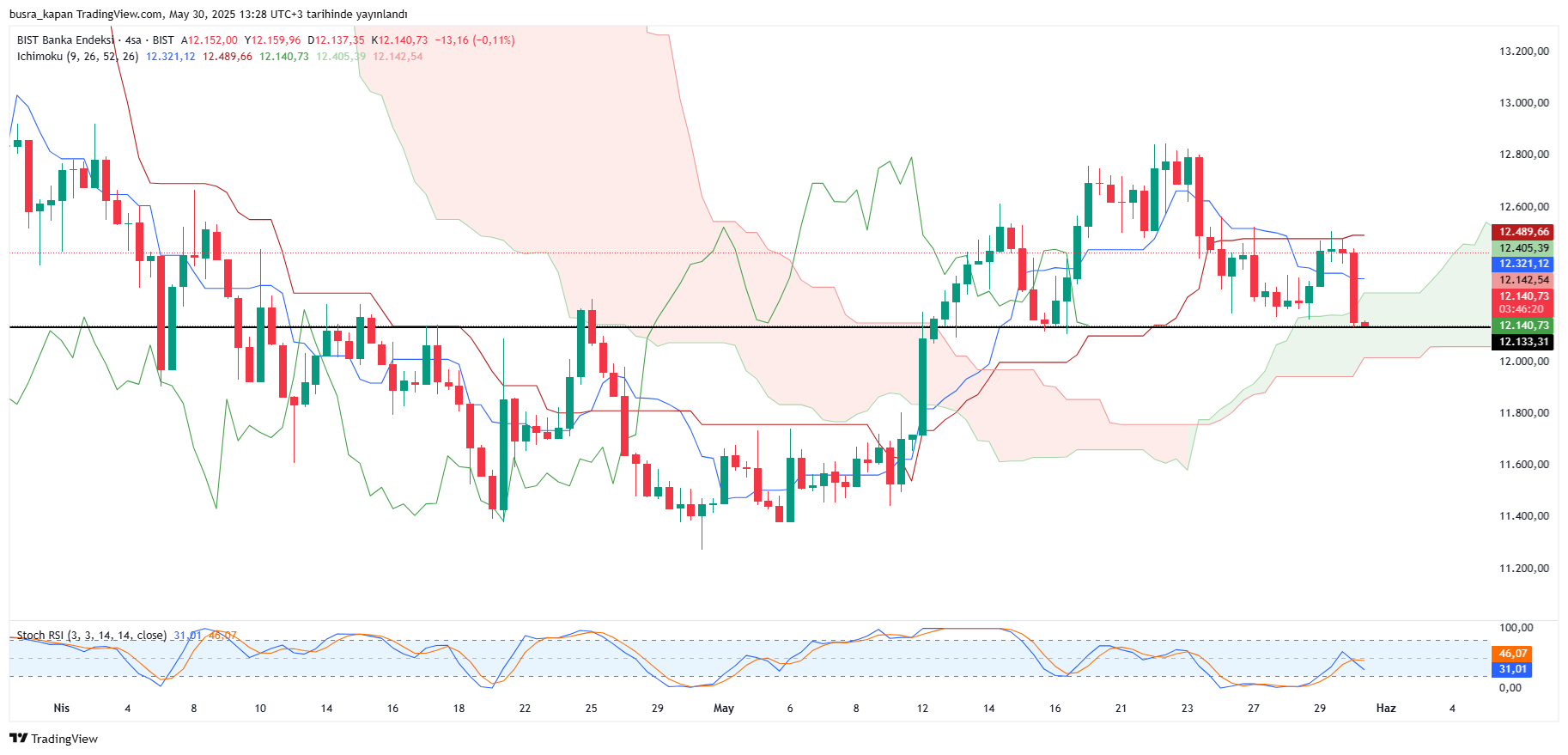
BANKING INDEX SUFFERS SIGNIFICANT LOSSES
The banking index, which closed at 12,421 points the previous day, experienced drastic declines following signals of potential interest rate cuts, plunging to 12,046 points —a drop of over 3% .
The dollar/TL rate rose to 39.23 lira , while the Euro/TL continued its ascent to 44.50 lira .
Erdoğan further articulated his stance:
“We cannot legitimize an economic system based on interest, and I have frequently expressed this sentiment. Personally, I will continue to vocally share my longing for a zero-interest economy. We will not shy away from the struggle to change the interest-based economic order.”
IMPACT ON ECONOMY AND INVESTORS
Erdoğan’s strong advocacy for a zero-interest economy has significant implications for Turkey’s economic landscape. Investors are closely monitoring these developments, as changes in interest rate policies can influence market confidence, investment decisions, and overall economic growth.
The wave of selling seen in the stock market underscores the uncertainty surrounding Erdoğan’s economic policies, particularly as they relate to the banking sector, which is crucial for the stability of the Turkish economy. With the banking index showing significant decline, investors may be hesitant to inject capital until there’s clear direction on monetary policy.
PUBLIC REACTION AND ANALYSIS
Public reaction to Erdoğan’s remarks has been mixed. While some support his vision of a zero-interest economy, others worry about the practical implications of such a shift. Economic experts suggest that moving away from interest-based systems could lead to inflationary pressures and reduced foreign investment, further complicating Turkey’s already challenging economic situation.
Critics argue that Erdoğan’s approach may lead to a financial crisis , as the central bank’s independence could be undermined by political influence. They stress that a balance needs to be struck between stimulating growth and maintaining economic stability.
FORECAST FOR THE FUTURE
Looking ahead, the impact of Erdoğan’s statements will likely ripple through financial markets. Analysts predict volatility in the stock market as investors assess the implications of sustained zero-interest policies. The key question remains whether this will stimulate economic growth or exacerbate existing vulnerabilities within the economy.
The broader impacts on consumer spending, savings rates, and overall economic sentiment will also be critical to watch. Inflation rates , which have been concerning, may also respond to these new policies, influencing consumer behavior and overall economic activity.
In conclusion, as Turkey navigates this complex financial landscape, the emphasis on a zero-interest economy will require careful consideration of both domestic and international economic dynamics. The government’s ability to implement its vision while maintaining economic stability and investor confidence will be pivotal in the coming months. The ongoing developments will be closely watched by economists, investors, and the general public alike, determining the future of Turkey’s economic trajectory amidst its unique challenges.
General News – 1