
The situation regarding the chikungunya outbreak continues to worsen in La Réunion, with three deaths reported among individuals over 65 years old with pre-existing health conditions, according to Santé publique France on Wednesday, May 28.
The outbreak of chikungunya is intensifying on the island of La Réunion, where cases have surged since the end of March 2025. Three new fatalities add to the already significant human toll, bringing the total number to 15 deaths associated with the virus transmitted by mosquitoes. This alarming statistic was highlighted in the epidemiological report released by Santé publique France on May 28, 2025.
“Epidemic Decline”
“Following the latest meeting of the accountability committee, these three cases have been classified as deaths directly linked to chikungunya” concerning “persons aged 65 and above with comorbidities,” stated Santé publique France. The new deaths were central to investigations related to the outbreak affecting the island since August 2024. According to SPF, the three victims were aged between 71 and 95 years. Currently, 36 other cases remain “under investigation” to determine whether they can also be attributed to chikungunya.
Remarkably, the announcement of these new deaths comes amid reports of a “significant epidemic decline” in this French department in the Indian Ocean. SPF indicates that approximately 1,000 cases were reported in the last week of May, down from 1,300 in the previous week. Additionally, from May 1 to May 27, 2025, during the intensified surveillance period, 341 chikungunya cases were identified (the vast majority originating from La Réunion), along with 237 dengue cases and one imported Zika case identified in mainland France.
Understanding Chikungunya
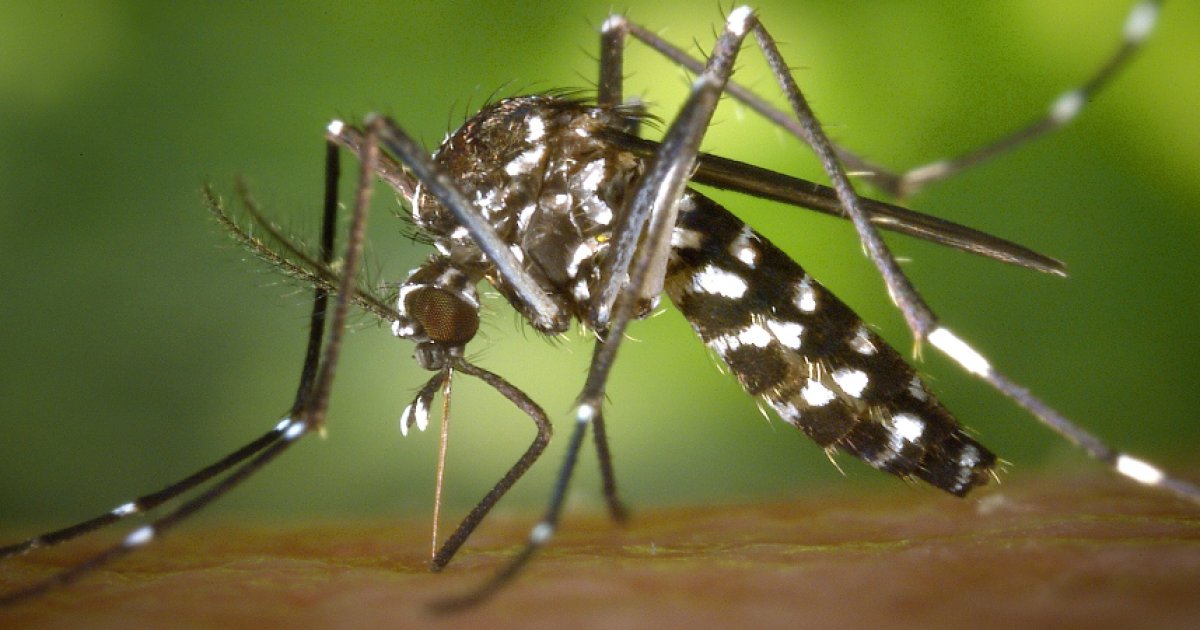
Chikungunya is a viral disease transmitted by mosquitoes, primarily Aedes aegypti and Aedes albopictus . The disease is characterized by sudden onset of fever, severe joint pain, muscle pain, headache, nausea, fatigue, and rash. The name “chikungunya” is derived from a word in the Makonde language that means “to become bent,” reflecting the hunched posture of those suffering from severe joint pain. Although chikungunya is rarely fatal, its impact on quality of life can be profound, especially for the elderly and those with pre-existing health conditions.
Public Health Responses
In response to the escalating outbreak, public health authorities in La Réunion have ramped up vector control measures . These include targeted insecticide spraying, community education on preventive measures, and surveillance to track and manage the spread of the disease. Residents are advised to eliminate standing water around their homes—breeding sites for mosquitoes—and use mosquito repellents to reduce the risk of bites.
The Community’s Role
Communities play a crucial role in controlling the spread of chikungunya. Local initiatives aimed at creating awareness about the symptoms and prevention methods are vital in curbing transmission. Schools, community centers, and local organizations have been engaged to disseminate information and encourage active participation from residents.
Future Outlook
As the number of new cases begins to decline following intensive public health initiatives, the hope is that the community can maintain vigilance. The fluctuation in chikungunya cases over the past months highlights the importance of sustained vector control efforts and public awareness campaigns. Continued monitoring will be essential to ensure that the epidemic is fully under control and to prepare for any potential resurgence.
Through collaborative efforts, education, and proactive health responses, La Réunion aims to overcome this chikungunya outbreak while safeguarding its population’s health. As new strategies are implemented, the focus will not only be on controlling the current situation but also on building resilience against future outbreaks.
Published on May 28 at 18:20, Charlotte Lesprit, 6Medias