
Coalition Summit: Key Discussions to Shape Future Policies
Introduction: The Significance of the Coalition Summit
The Coalition Summit marks a significant moment for German politics, as Chancellor Friedrich Merz and prominent leaders from the CDU and SPD gather to outline a roadmap for upcoming reforms. This meeting aims at establishing a strategy for vital legislation expected to be rolled out in the coming months, impacting millions of citizens. Understanding the outcomes of this summit is crucial for anyone interested in German politics and its socio-economic landscape.
Attendees: Who Is in Attendance?
At the heart of the summit are eleven top politicians representing the CDU, CSU, and SPD. The following key figures are involved:
- CDU: Chancellor Friedrich Merz, Thorsten Frei (Chief of Staff), Jens Spahn (Fraktionschef), and Carsten Linnemann (Secretary-General).
- CSU: Markus Söder (Party Leader), Alexander Dobrindt (Interior Minister), and Alexander Hoffmann (Group Leader).
- SPD: Lars Klingbeil (Finance Minister), Saskia Esken (Party Chair), Matthias Miersch (Fraktionschef), and Björn Böhning (State Secretary for Finance).
Their diverse backgrounds and expertise will shape crucial discussions aimed at revamping policies that affect citizens daily.
Summit Objectives: Setting the Agenda
The summit’s primary objective is to finalize a detailed action plan for the next several weeks and months. Key questions include:
- What new laws can be implemented before the year’s end?
- Which relief measures are on the table for citizens and businesses struggling with economic pressures?
The anticipated duration of this meeting is approximately three hours, during which intense dialogue and negotiation will take place.
Key Topics for Discussion
Around 60 different proposals are lined up for discussion. Here are some critical areas where consensus seems achievable:
Rent Control: Rental Price Brake Extension
One of the major topics for discussion is the Mietpreisbremse (Rental Price Brake). This measure intends to curb the rise of rental prices in urban areas. With the current regulation set to expire at the end of the year, discussions are underway to extend this vital legislation until 2029. This measure aims to assist millions of renters facing financial strain and ensure housing remains affordable.
Electricity Prices: Reductions Expected
Another crucial topic is the electricity prices, expected to be reduced by at least five cents per kilowatt-hour by the year’s end. This reduction, possibly more significant, aims to alleviate financial burdens faced by citizens and businesses alike. The debate around this topic will focus on how to implement these adjustments efficiently and responsibly.
Supply Chain Bureaucracy: Easing Business Regulations
One area where consensus appears strong is the effort to curtail bureaucratic requirements for businesses. The contentious extension of documentation obligations will be halted, benefiting particularly smaller enterprises. This move could enhance business operations and promote economic stability.
Energy Cost Relief: Gas Storage Levy
Energy costs are another pressing concern. The proposal to reduce the gas storage levy should ease the financial pressure on gas customers, providing immediate relief for households and enterprises.
Special Depreciation for Businesses
High chances for agreement also exist regarding proposed special depreciation measures for businesses. These tax incentives can significantly stimulate economic activity and make it easier for companies to manage investments.
Unresolved Issues: What Remains Controversial?
Despite the productive discussions, some pressing issues remain unresolved:
- The pendlerpauschale (commuter allowance) raises questions about adjusting reimbursement rates to a unified 38 cents per kilometer starting from the first kilometer. The current rate stands at 30 cents/km up to the 20th kilometer.
- The Aktivrente (active pension) proposal could allow retirees to earn up to €2000 tax-free per month, stirring debate on its feasibility.
- Critical matters like IP data storage, the reduction of hospitality taxes, and the Mütterrente (mother’s pension) remain points of contention.
Moreover, the transition to promoting E-mobility has yet to yield an agreement, underscoring the complexity of the discussions.
Conclusion: The Future of German Policies
As the summit unfolds, the focus will be on balancing various interests and addressing pressing societal demands, all while navigating the economic landscape shaped by recent challenges. The outcomes of this summit could define the trajectory of German policies for years to come.
In summary, while significant strides are being made, many challenges persist, calling for ongoing dialogue and negotiation among Germany’s political leaders.
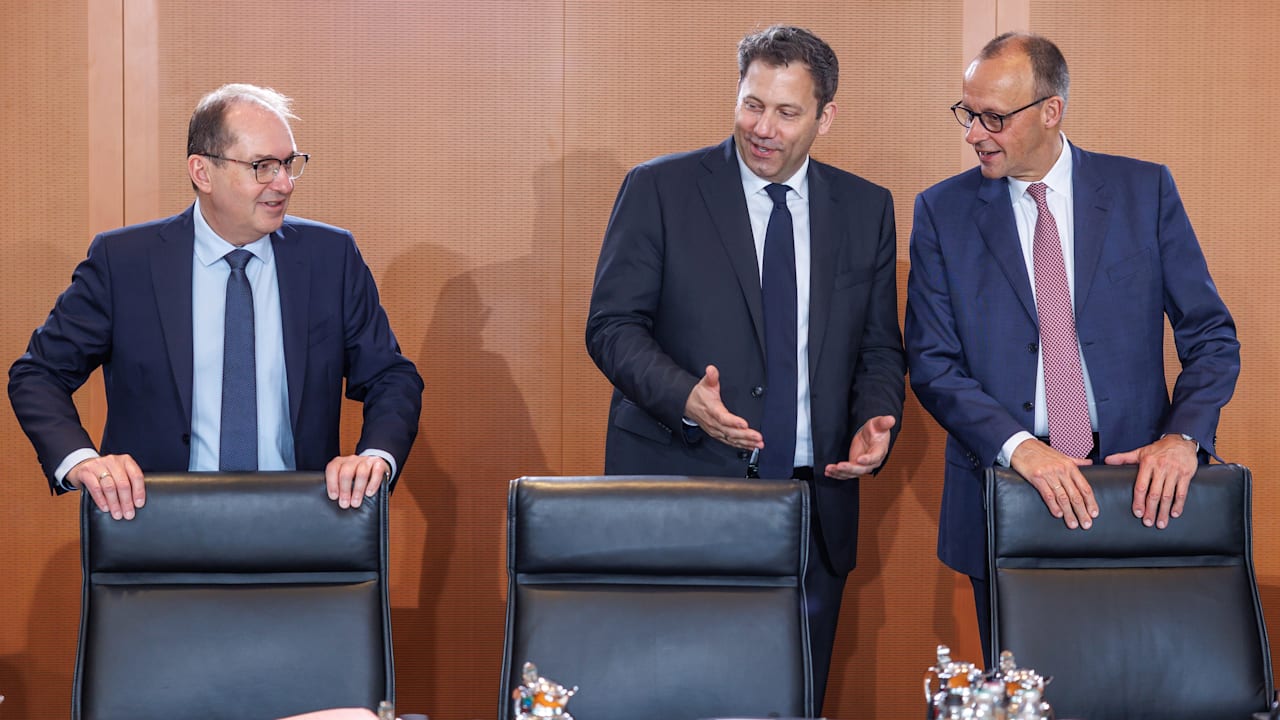
Three weeks after the government began its term, Chancellor Friedrich Merz (69, CDU) invites to the first Coalition Summit. Since 4:30 PM, eleven top politicians from the CDU and SPD have been sitting together in the Chancellor’s office!
The goal of the meeting (expected to last around three hours): to pin down a roadmap for the coming weeks and months. Which laws and relief measures can come into effect by the end of the year?
Present from the CDU at the summit: Chancellor Merz, his Chief of Staff Thorsten Frei (51), faction leader Jens Spahn (45), and General Secretary Carsten Linnemann (47). From the CSU, party leader Markus Söder (58), Interior Minister Alexander Dobrindt (54), and state group leader Alexander Hoffmann (50) are participating. The SPD comes with Finance Minister Lars Klingbeil (47), party leader Saskia Esken (63), faction leader Matthias Miersch (56), and finance state secretary Björn Böhning (46).
Around 60 different initiatives are to be discussed. For some measures, there are already green lights based on BILD’s information:
► Rent Control: Intended to curb rent increases in urban areas. Set to expire at the year’s end, therefore expected to be extended until 2029. Aims to help millions of renters.
► Electricity Prices: Expected to decrease by five cents at the latest by the year’s end. Possibly even slightly more. Meant to relieve citizens and companies.
► Supply Chains: The controversial extension of bureaucracy for companies (“documentation obligations”) will be stopped. This particularly helps smaller businesses.
► Energy: The gas storage levy is expected to decrease. This will relieve gas customers.
Good chances for agreement also exist, according to BILD, regarding planned special depreciations for businesses.
It is still unclear whether the commuter allowance will be raised to 38 cents starting from the first kilometer (currently 30 cents/km up to the 20th kilometer). Also, whether the “Active Pension” will be introduced at the year’s end. This could allow retirees to earn up to €2000 tax-free per month.
However, important issues remain open, such as IP data storage, the reduction of the gastronomy tax, and the valuable mother’s pension for the CSU. Additionally, there seems to be no agreement yet regarding the promotion of E-mobility . Since many of these measures are expensive and have implications for the future budget, the Finance Ministry has initially vetoed them.