
Klaus Schwab’s Plans for the Future of the World Economic Forum
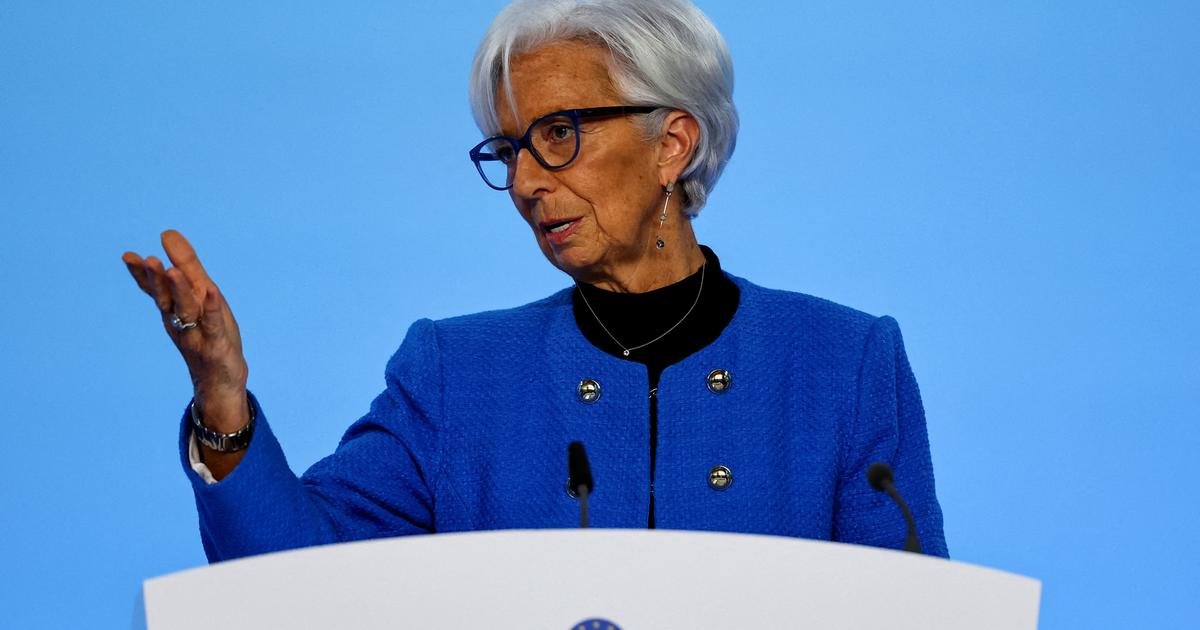
The World Economic Forum (WEF) has been a significant platform for discussing global economic issues since its inception in 1971. Founder Klaus Schwab has played an essential role in shaping policy discussions at this annual gathering of global leaders and influencers. Recently, there have been speculations regarding the possible succession of Schwab’s leadership role, particularly concerning Christine Lagarde, the current president of the European Central Bank (ECB).
The Transition in Leadership
Reports suggest that Klaus Schwab has had ongoing discussions with Christine Lagarde about transitioning the WEF leadership toward her candidacy. Although such discussions are not new, they have garnered additional attention recently, particularly since Schwab announced his resignation in April 2024. This sudden leadership change in the WEF could usher in new dynamics within global economic discussions and policies.
In a recent interview with the Financial Times, Schwab indicated that he had met with Lagarde in Frankfurt to discuss transitioning leadership by early 2027 at the latest. This timeline raises questions about Lagarde’s commitment to her current role at the ECB, where she was nominated in October 2019 for a non-renewable eight-year mandate.
Implications for the European Central Bank
Should Lagarde indeed step down from her position at the ECB to lead the WEF, this would significantly impact European monetary policy, especially as the continent grapples with various economic challenges, including inflation. The ECB remains a critical institution, and a sudden vacancy could disrupt the entire financial landscape. Given that the European Union is currently trying to navigate through ongoing market disruptions and geopolitical tensions, the timing for such a shift in leadership raises concerns among policymakers and economists alike.
A spokesperson from the ECB has denied the rumors about Lagarde’s departure, asserting that she is fully committed to fulfilling her mandate. This assertion is crucial, as any changes in her leadership roles could provoke uncertainty in both European and global markets.
Klaus Schwab’s Legacy
Klaus Schwab’s legacy in global economic discourse cannot be understated. Having established the WEF as a premier platform for dialogue among world leaders, his vision has focused on responsible corporate governance and sustainability. Yet, allegations of corruption and financial misconduct surrounding his recent departure have marred his legacy. Although Schwab has refuted these claims, they raise questions about institutional integrity within the WEF.
The transition period leading up to Lagarde’s potential leadership adds another layer of complexity, especially considering that the WEF is expected to continue its essential initiatives in promoting global cooperation and sustainable economic growth. The escalating tensions in international trade, particularly with the rising influence of the United States under different administrations, will test the resilience of any new leader stepping into this role.
Christine Lagarde: A Fitting Successor?
Christine Lagarde has long been recognized for her leadership capabilities and commitment to global economic stability. Being on the WEF’s board since 2008 and attending discussions on global economic trends, she seems like a fitting candidate to succeed Schwab. Her tenure at the International Monetary Fund (IMF) further strengthens her candidacy, offering a wealth of experience in managing financial crises and economic policy formulation.
However, her leadership at the ECB is not to be taken lightly. Lagarde has faced numerous challenges, including the ongoing issues related to rising inflation rates and economic recovery from the Covid-19 pandemic. Thus, any indications of her stepping down from this critical role must be carefully scrutinized against the backdrop of current economic conditions within Europe.
Future Scenarios
The speculation surrounding Christine Lagarde’s potential succession at the WEF sparks several future scenarios. If Lagarde were to confirm her interest in taking leadership, the recruitment process would have to be expedited for her successor at the ECB. This dynamic could create a ripple effect, prompting questions about who might fill the looming vacancy at such a pivotal moment for European monetary policy.
In contrast, if Lagarde remains committed to her role at the ECB, the WEF must consider other candidates and potential back-ups. The institution’s ability to adapt and thrive amidst these leadership uncertainties will also be put to the test, especially with increasing geopolitical complexities and economic challenges worldwide.
The next few months will be critical for both the WEF and the ECB, as these monumental decisions could dictate the direction of global economic policy.
L’emblématique président du forum durant des décennies, Klaus Schwab a déclaré que Christine Lagarde pourrait abréger son mandat à la BCE à cette fin, ce que dément l’institution.