
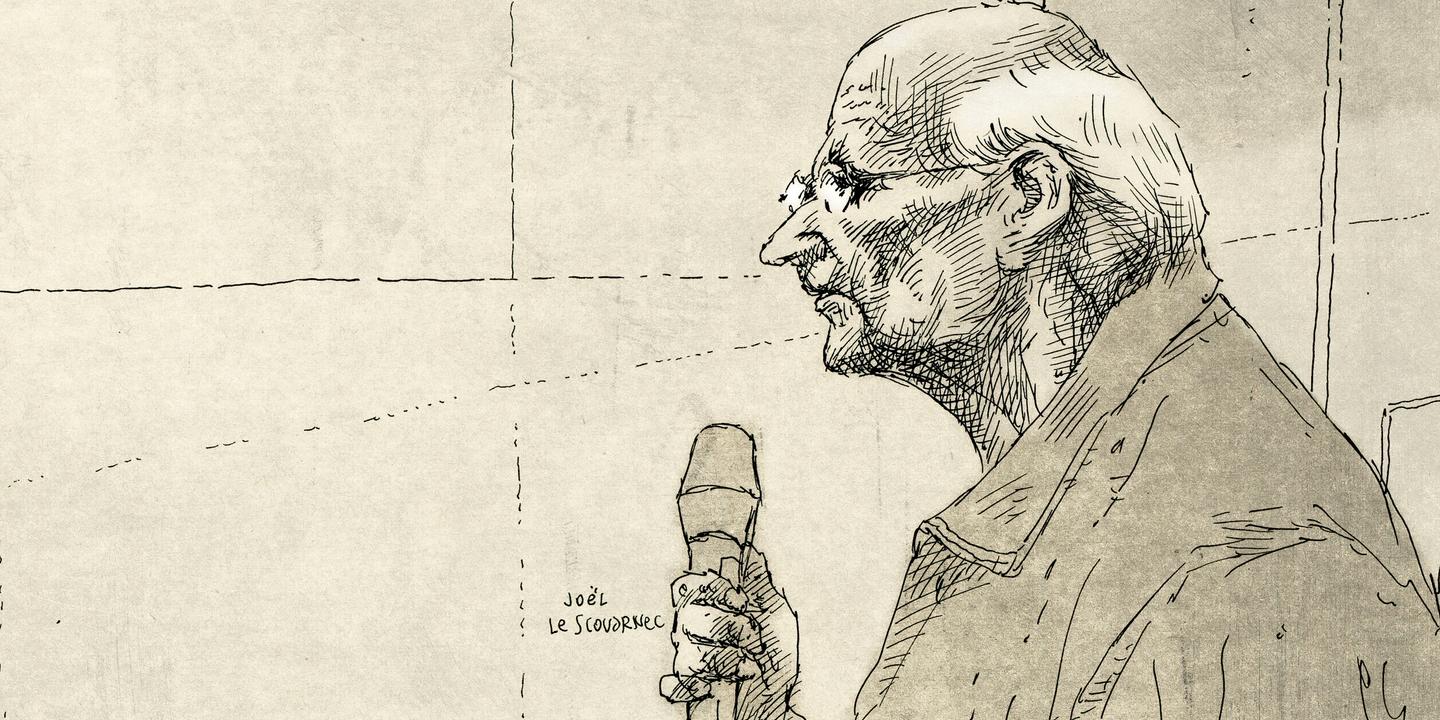
The Enigmatic Case of Le Scouarnec: What Went Wrong?
Introduction to the Controversy
The case of Le Scouarnec has raised numerous questions regarding the complexities of medical ethics, the failures of justice systems, and the protection of vulnerable populations within healthcare settings. A former doctor, Le Scouarnec has been accused of inappropriate conduct that went unnoticed for years. This situation has triggered public outrage and prompted a reevaluation of how such cases are handled in the medical field.
Background Information
The accusations against Le Scouarnec include serious allegations of sexual abuse and exploitation within medical facilities. These claims have not only shocked the victims but have also put a spotlight on systematic flaws that allowed such actions to continue unchecked for years. Despite the severity of these allegations, there was an apparent lack of intervention from authorities, which has led to an examination of the roles of various parties involved.
The Medical Community’s Reaction
When allegations first emerged, the response from the medical community was tepid at best. Colleagues of Le Scouarnec claimed that they had no prior knowledge of his activities, often stating that they did not consider his actions to be problematic. Such responses raise significant concerns about the culture of silence and complicity within healthcare settings. How many other cases exist where professionals turn a blind eye?
Understanding the Administrative Breakdowns
In 2005, Le Scouarnec was condemned for downloading child pornography. This should have triggered immediate action regarding his medical license and practice. However, the administrative lapses that followed have compounded the issue. Regulations intended to protect patients failed to enforce appropriate consequences, allowing him to continue his practice. The response from authorities and professional bodies was shockingly inadequate.
The Role of the Justice System
The justice system appears to have inadequately addressed the behaviors of Le Scouarnec, and this raises significant questions about the effectiveness of current laws. The inadequacy of legal frameworks designed to protect vulnerable patients, especially in hospitals, has come under scrutiny. Many legal experts argue that stricter protocols are necessary to ensure that injustices like this do not happen again.
Patient Vulnerability and Ethical Responsibilities
In healthcare environments, patients are often in vulnerable positions, depending entirely on the trust bestowed to medical professionals. Le Scouarnec exploited this trust, ostensibly taking advantage of both patients’ and the system’s lack of scrutiny. The ethical implications of such violations are multifaceted, as it not only violates trust but also goes against the guiding principles of medical practice, which emphasize do no harm.
Public Outcry and Demand for Accountability
The public response to the Le Scouarnec case has been one of outrage, leading many to demand accountability and systemic reforms. Protective measures for patients, clearer reporting mechanisms for malpractice, and increased surveillance of medical activities have become focal points of discussion. Ensure that vulnerable patients are never placed in harm’s way again.
Moving Forward: What Needs to Change?
In light of the Le Scouarnec case, it’s essential for both the medical community and the justice system to reflect and reform. Some steps that can be taken include:
- Enhanced Training for medical professionals on recognizing and reporting suspicious behavior.
- Stricter Licensing Regulations to ensure that any misconduct during previous professional interactions results in immediate and severe consequences.
- Clear Reporting Protocols for patients and whistleblowers, allowing for anonymity to protect victims from potential backlash.
Conclusion
The Le Scouarnec case serves as a cautionary tale, highlighting the need for comprehensive changes in patient protection and medical ethics. The failures of both the medical and legal systems have far-reaching implications, and it is crucial to learn from this incident to restore trust and safety in healthcare. The ongoing questions, particularly regarding how systems can allow such a situation to exist for so long, demand not only answers but corrective action.
Vous êtes nombreux à vous poser cette question, sous une forme ou une autre. Première raison : pendant des années, l’accusé a été extrêmement prudent, on a parlé de « gestes furtifs et rapides », commis sous anesthésie pour les patients les plus âgés, dans les chambres pour les plus jeunes. L’autorité de la blouse blanche et d’un adulte a fait passer beaucoup de ses gestes pour des gestes médicaux.
Je le répète : aucune plainte de patients ou de soignant n’a jamais été déposée, l’accusé n’a jamais été surpris en flagrant délit. « J’étais très prudent », dit-il.
Le problème se pose surtout après 2005 et sa condamnation à quatre mois avec sursis pour téléchargement d’images pédopornographiques.
C’est là où ont commencé les dysfonctionnements administratifs et médicaux.
Les conseils de l’ordre et beaucoup de collègues, pourtant au courant, sont venus dire à la barre : « Ce n’était pas notre affaire. » Ou alors : « On pensait qu’il n’y avait pas de passage à l’acte » (pour mémoire, la consultation de sites interdits est considérée comme un passage à l’acte : tragiquement, ce n’était pas une évidence pour tout le monde.)
Justine