
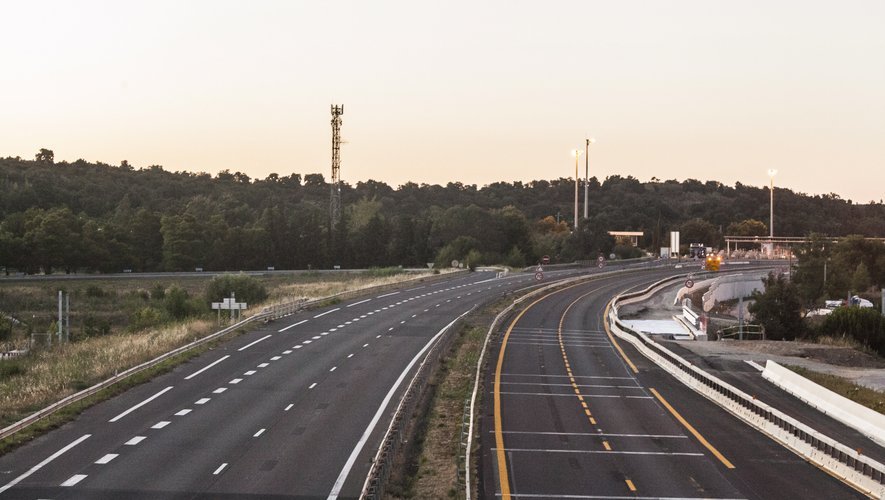
The Controversial A69 Highway Project: A New Chapter
The A69 Highway, connecting Toulouse and Castres, has sparked intense debate amid environmental concerns and legal battles. Recently, the Toulouse Administrative Court of Appeal took a significant step that has reopened discussions on this contentious infrastructure project. After a suspension of three months, the court has granted permission to resume construction on the highway, which has faced fierce opposition from environmental groups and local communities.
Background of the A69 Highway
The A69 is a critical piece of infrastructure, extending 53 kilometers through the picturesque regions of southern France. It is designed to improve connectivity and stimulate economic growth. However, this ambitious project has been met with resistance due to its potential environmental impacts. Opponents argue that the development threatens local ecosystems and biodiversity, raising questions about sustainability in a time of increasing environmental awareness.
This project, initially proposed to facilitate transport between major urban areas, found itself embroiled in controversy. Activists and local residents argue that the highway will disrupt habitats, increase pollution, and contribute to climate change. The environmental authorizations granted at the project’s inception were hotly contested, leading to a significant legal challenge that ultimately halted construction.
The Court’s Ruling
On February 27, the Toulouse Administrative Tribunal unexpectedly ordered a halt to construction activities. The ruling stated that the project failed to meet the criteria of a Major Public Interest Imperative (MPIPI), a necessary condition for overriding environmental protections. This decision shocked many proponents of the highway, including local government officials who had advocated for its benefits.
However, the recent decision by the court of appeal overturned this judgment. In a specific communiqué, the court indicated that it found the challenges presented by opposition groups to be lacking in substance. The court confirmed that the arguments put forth to contest the environmental authorizations were not robust enough to warrant further delays in a project deemed essential for regional development.
Implications of the Decision
The court’s decision to allow construction to resume has several implications for both supporters and opponents of the highway. For proponents, it signals a victory in the ongoing battle for infrastructure improvement. Local officials and economic development advocates see the A69 as a means to enhance transportation efficiency and attract investment to the region.
Conversely, this ruling poses significant challenges for environmental advocates, who view it as a setback in efforts to prioritize ecological welfare over economic gain. The resumption of construction means that crucial moments for public engagement and advocacy will continue, as many groups strategize their next steps in terms of legal action and public awareness campaigns.
Furthermore, this legal tug-of-war highlights the increasing tension between economic development initiatives and environmental protection efforts. As communities across France face similar dilemmas, the outcome of the A69 project could set a precedent for future infrastructure projects involving contentious environmental considerations.
Public Reaction and Next Steps
In the wake of the court’s decision, public reaction has been mixed. Supporters of the A69 emphasize the economic benefits and improved access to jobs and services. They argue that the project should move forward, asserting that it adheres to strict regulatory standards. The emphasis now rests on project completion and the ensuing economic revitalization the highway promises.
On the other hand, environmentalists and opposition groups have expressed disappointment but remain committed to their cause. They argue that each step toward resuming construction only strengthens their resolve to advocate for sustainable practices in infrastructure planning. Public demonstrations, awareness campaigns, and legislative advocacy are expected to rise in the coming weeks as these groups mobilize their support bases.
As the project moves forward, eyes will be on the future court hearings expected to address the underlying legal challenges to the environmental authorizations. These upcoming discussions may redefine the project’s trajectory and the broader implications for France’s approach to balancing economic growth and environmental sustainability.
The Broader Picture: Economic Growth vs. Environmental Protections
The situation surrounding the A69 highway encapsulates the broader struggle evident in many nations today: the conflict between economic growth and environmental sustainability. As countries strive for progress, infrastructure development often presents challenges that require careful consideration and public discourse. Addressing these concerns becomes paramount for policymakers, urban planners, and civic leaders alike.
The ongoing debate around the A69 will continue to resonate, as it raises fundamental questions about the values that societies hold dear. Will future projects prioritize economic benefits over ecological integrity, or will a more balanced approach emerge that accommodates both?
In conclusion, while the A69 highway project resumes its course amid legal battles, the discourse surrounding it will surely impact future initiatives in infrastructure planning and environmental law.
La cour administrative d’appel de Toulouse a autorisé la reprise du chantier très contesté de l’autoroute A69 entre Toulouse et Castres, après trois mois d’arrêt forcé.