
The Rise of Online Scams: A Cautionary Tale from Antalya
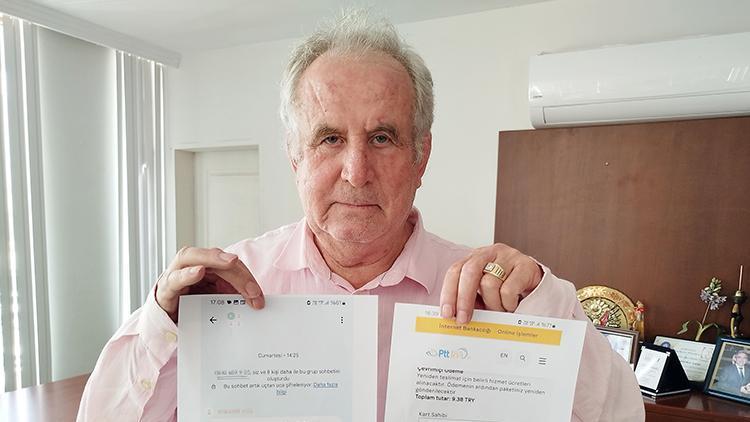
In recent years, online scams have become increasingly sophisticated, making it crucial for individuals to remain vigilant. One such alarming incident occurred in Antalya, where a real estate agent, Talip Yörükoğlu, fell victim to a fraudulent message that exploited the name of a reputable courier service, PTT.
The Deceptive Message
On May 17, 2025, Talip Yörükoğlu received a text message that read "PTT Post Notification." This deceptive message claimed, “Please update your package delivery information immediately. The courier tried several times to deliver your package but was unsuccessful. We are currently holding it at the factory warehouse.” The message urged him to click on a link to update his information.
The Click That Cost Thousands
Upon clicking the link, Yörükoğlu was directed to a bogus website featuring the PTT logo. The website requested a payment of 9.38 TRY to facilitate the delivery of his package. Believing the message to be legitimate, Yörükoğlu provided his bank details and made the payment.
Two days later, expecting his package to arrive, he checked his bank account. To his shock, he discovered that a staggering 54,215 TRY had been deducted from his account. The sum had been transferred to an account linked to a Bahrain-based firm, completely without his consent.
Understanding the Scam
This incident underscores the growing trend of online scams that target unsuspecting individuals. Scammers often craft messages that appear to originate from well-known and trusted organizations, leading victims to inadvertently provide sensitive information. Such social engineering techniques manipulate emotions like urgency and fear, making recipients act quickly without due diligence.
The Role of Trust
For many people, receiving a text from an established company like PTT can foster a sense of trust. Scammers exploit this trust to secure personal information, which can lead to significant financial losses.
Yörükoğlu’s Reaction
Upon realizing he was scammed, Yörükoğlu immediately approached his bank to report the fraudulent transaction. He stated, "I was waiting for a package, and the office was closed. The message claimed my package was in a warehouse and that I needed to pay 9.38 TRY to have it delivered. I clicked the payment link without suspicion and entered my card information. Afterward, I realized the transaction didn’t align with my legitimate expenses. I filed a complaint with the bank, highlighting that they too share responsibility in this matter."
This emphasizes a key aspect of financial security: effectiveness not only rests on the customer but also on the systems and processes implemented by banks to protect users from fraud.
Lessons Learned
Yörükoğlu’s experience serves as a motivational lesson for others. Here are crucial takeaways for avoiding similar scams:
Scrutinize Unsolicited Messages: If an unexpected message prompts you to click a link, think twice. Confirm the information through official channels.
Verify URLs: When redirected to a website, always check the URL to confirm it belongs to the legitimate organization.
Limit Personal Information Sharing: Always be skeptical when asked for personal information, particularly in situations involving money transfers.
Monitor Bank Statements: Regularly reviewing bank statements can help identify unauthorized transactions early.
- Trust Your Instincts: If something feels off, don’t hesitate to conduct further research before taking action.
Conclusion
The rise of online scams, particularly those targeting older individuals like Yörükoğlu, demands attention. Continuous awareness, education, and vigilance are essential tools for safeguarding against such fraudulent schemes. Scammers will only grow more sophisticated as technology evolves, making it imperative for everyone to remain informed about potential red flags.
Tolga YILDIRIM/ANTALYA, (DHA)
Oluşturulma Tarihi: Mayıs 28, 2025 09:57