
A69 Highway Project Resumes: Court Decision Restores Environmental Permits
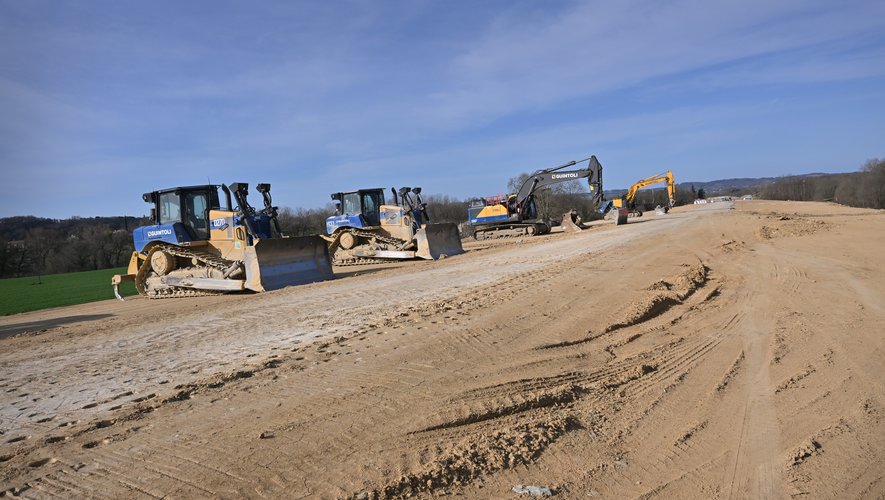
The administrative court of appeal in Toulouse recently ruled in favor of suspending the execution of a previous decision made by the administrative tribunal that had canceled the A69 highway project connecting Castres and Toulouse. After a halt of three months, construction on this crucial infrastructure project is set to resume, allowing for continued progress in the region.
Background of the A69 Project
The A69 highway project has been a topic of considerable debate and controversy since its inception. It aims to improve transportation links between Castres and Toulouse and is anticipated to bolster economic growth in the region. However, environmental concerns have raised questions about the impact of the highway on local wildlife and protected species.
On February 27, the administrative tribunal annulled the project’s environmental permits, citing potential harm to protected species. This decision led to a complete halt of all construction activities, which many believed jeopardized the project’s future.
Recent Court Ruling
On May 28, the administrative court of appeal ruled favorably for the State’s request for a suspension of the tribunal’s decision. This ruling highlights the importance of the project in the eyes of the legal system. The judges agreed with the public rapporteur, who argued for a suspension while the appeal by the State is being reviewed.
The court noted, "The existence of an imperative reason of major public interest justifying the granting of a waiver to the prohibition of harming protected species is serious and substantial." This statement underscores the court’s acknowledgment that the economic and infrastructural benefits of the A69 project merit consideration alongside environmental concerns.
Environmental Considerations
Despite the court’s ruling, environmental advocacy groups remain concerned about the implications of resuming construction. They argue that protected species are at risk, and there must be a proper balance between economic growth and environmental protection. Studies have shown that highway projects can disrupt local ecosystems, leading to adverse effects on biodiversity.
Nonetheless, the court’s decision reinstates the previously annulled environmental permits until further reassessment of the three ongoing appeals concerning the project. This temporary reinstatement allows for construction to continue while keeping environmental considerations in view.
Public Opinion
The A69 project has divided public opinion. Supporters argue for the need for improved transport infrastructure, which they claim will enhance connectivity and economic opportunity in the area. They believe that a modernized A69 is essential for attracting businesses and encouraging tourism.
On the other hand, critics express concerns about the environmental impact and sustainability of such infrastructure projects. Local residents, environmentalists, and various NGOs fear that decisions prioritizing infrastructure development can undermine ecological integrity and jeopardize future sustainability efforts.
Next Steps in the Appeals Process
The court’s ruling will be effective while the three appeals are processed and examined over the next year. This timeline allows stakeholders—including local residents, businesses, and environmental organizations—to engage with the process and present their viewpoints.
The State’s appeal will be closely monitored, as the outcome could set a precedent for future infrastructure projects and their environmental assessments. As the courts deliberate on the appeals, it will become crucial for the State to present a strong case that addresses both the need for the highway and the protection of local ecosystems.
Conclusion
The resumption of construction on the A69 highway project represents a significant shift in the logistical landscape between Castres and Toulouse. The court’s decision acknowledges the economic imperatives associated with infrastructure development but also highlights the ongoing need for serious dialogue on environmental impacts. Stakeholders must prioritize both progress and sustainability, ensuring that future developments reflect a commitment to ecological integrity.
As construction efforts ramp up again, all eyes will remain on the appeal process and its outcomes. This dual focus on development and environmental stewardship will shape not only the future of the A69 project but potentially influence broader policies for transportation infrastructure across the region.
La cour administrative d’appel a décidé d’un sursis à exécution de la décision du tribunal administratif de Toulouse d’annuler le projet autoroutier entre Castres et Toulouse. Les travaux peuvent donc reprendre.