
The Future of Wind Energy: Challenges and Solutions
Wind energy is increasingly being recognized as a vital component of the global renewable energy landscape. As nations strive to meet their climate goals, this clean energy source has gained prominence. However, there are significant challenges that this industry must confront to fully realize its potential. In this article, we will explore the main issues surrounding wind energy, including infrastructural barriers, environmental concerns, and innovative solutions that could pave the way for a sustainable future.
Understanding Wind Energy: An Overview
Wind energy harnesses the power of moving air to generate electricity. It is considered a clean and renewable resource that can significantly reduce greenhouse gas emissions compared to fossil fuels. The technology behind wind energy has evolved rapidly, leading to more efficient turbines and larger capacity installations. Nonetheless, the path towards widespread adoption is fraught with obstacles.
The Role of Infrastructural Barriers
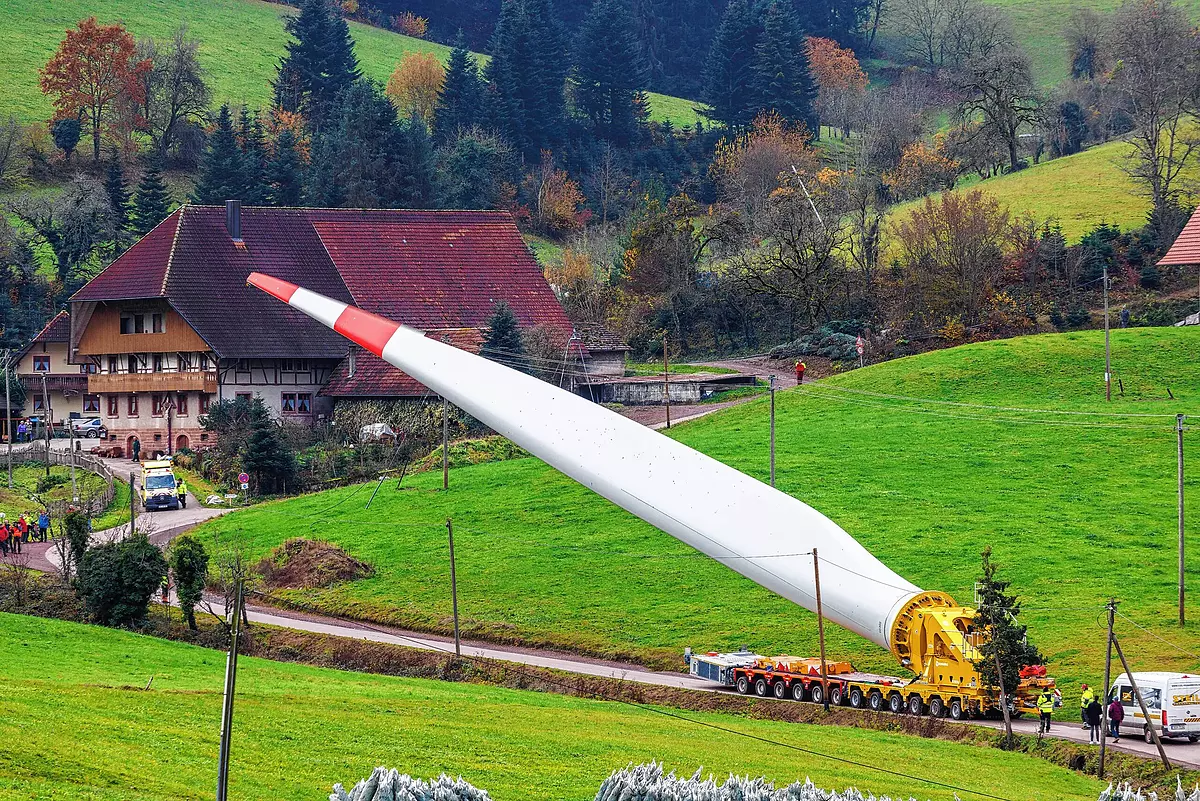
One of the most pressing challenges in the wind energy sector is infrastructural limitations. Many regions lack the necessary infrastructure to support large-scale wind farms, particularly in remote areas where wind potential is highest. For instance, the construction of access roads and transmission lines can be costly and time-consuming.
In many cases, existing power grids struggle to accommodate the influx of energy from wind farms, leading to inefficiencies and potential energy waste. Policymakers need to focus on enhancing the grid infrastructure to ensure that wind energy can be effectively integrated into existing power systems.
Environmental Concerns and Public Opinion
As with any industrial activity, wind energy is not without its environmental concerns. Some critics argue that wind turbines can harm local wildlife, particularly birds and bats. Additionally, there are debates about land use and the impact on natural habitats.
Public opinion also plays a critical role in the development of wind energy projects. NIMBYism (Not In My Backyard) often hampers the construction of new wind farms. Community engagement and education are essential to overcoming these challenges. Stakeholders can work together to address public concerns and demonstrate the benefits of wind energy.
Policy and Regulation: A Double-Edged Sword
Government policies significantly impact the growth of the wind energy sector. In many countries, incentives such as tax credits and subsidies have spurred development. However, fluctuating political climates can lead to uncertainty in funding and regulatory frameworks, which can deter investment in new projects.
Streamlining permitting processes can alleviate some of the bureaucracy that complicates project development. Policymakers have a role to play in creating a stable regulatory climate that promotes investment while ensuring environmental protections.
Technological Innovations in Wind Energy
Despite the challenges, technological innovations are emerging that could reshape the wind energy landscape. For example, advancements in turbine design have led to larger, more efficient models capable of producing more energy from less wind. Floating wind farms present another exciting frontier, enabling energy generation in deeper waters where winds are often stronger and more consistent.
Moreover, energy storage solutions are becoming increasingly vital as wind energy is intermittent. Innovations in battery technologies and grid-scale storage systems are essential for ensuring that generated energy is available when needed.
The Importance of Community Engagement
Community engagement is critical for the successful deployment of wind energy projects. Building trust with local communities can lead to increased acceptance and smoother project implementation. Transparency in operations and a genuine willingness to address community concerns can foster better relationships between developers and residents.
Participating in local decision-making processes also makes community members feel more invested in the outcomes, ultimately leading to more successful wind energy projects.
Looking Ahead: The Path Toward Sustainability
The journey toward sustainable wind energy is undoubtedly complex, yet it is essential for combating climate change and ensuring a cleaner planet for future generations. To achieve the ambitious energy targets set by many nations, a multi-faceted approach is necessary. This includes investment in infrastructure, supportive regulatory frameworks, and ongoing innovation in technology.
Engaging with communities and addressing environmental concerns will also be paramount to the sector’s success. By tackling these challenges head-on, we can harness the immense potential of wind energy and contribute to a more sustainable energy future.
In light of these discussions, it’s crucial to stay informed on the latest developments in wind energy. For more detailed articles, consider exploring the following links:
- Der größte Gegner der Windkraft sind nicht ihre Gegner, sondern verkrustete Strukturen Südkurier
- Mehr Windräder im Wald? Naturschützer kritisieren Politik | NDR.de – Nachrichten – Niedersachsen NDR
- Die BR24 Reportage | BR24 | Radio BR
- Faktencheck Windkraft: CO2-Fußabdruck, Grundwasser-Schädigung und Balsaholz-Raubbau MDR
- Wald und Klimakrise: Windräder als Waldschützer KONTEXT:Wochenzeitung