
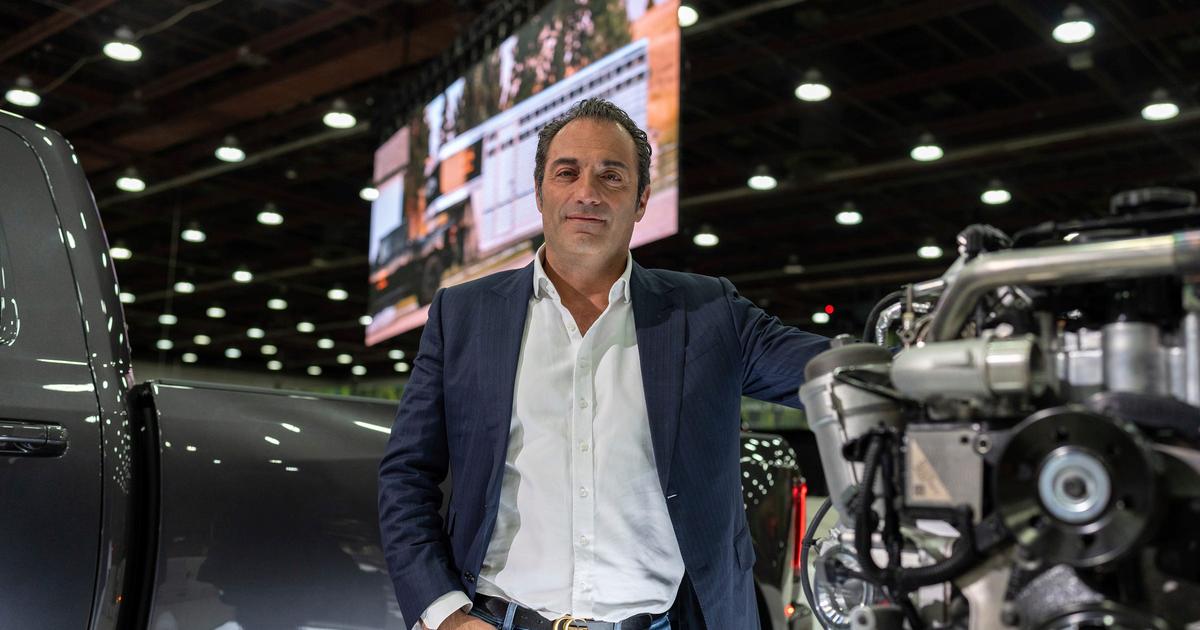
Antonio Filosa: The New Face of Stellantis
Introduction
In a significant shift within the automotive industry, Antonio Filosa has been appointed as the new CEO of Stellantis, a multinational automotive manufacturing corporation born from the merger of Fiat Chrysler Automobiles and PSA Group. At 52 years old, Filosa replaces Carlos Tavares, a seasoned leader known for his stringent management style. Filosa’s arrival brings a refreshing change characterized by accessibility, warmth, and optimism.
The Smooth Transition from Tavares to Filosa
Stellantis’s recent changes reflect a strategic pivot aimed at revitalizing company culture and ensuring greater employee morale. Unlike Tavares, whose leadership was often seen as rigid and severe, Filosa brings a more laid-back demeanor. His approach emphasizes openness and collaboration, marking a critical turn towards re-engaging teams that have felt disoriented by Tavares’s departure.
The choice of Filosa as CEO also signifies a homegrown leadership decision. John Elkann, chairman of Stellantis, selected Filosa specifically from within the ranks of Fiat, spotlighting the importance of retaining strong company values while fostering growth and innovation.
Background and Career Path
Filosa’s impressive career began at Fiat approximately 25 years ago, just before the entrance of the renowned CEO Sergio Marchionne. His experience encompasses a significant tenure in leadership roles, particularly in North America, where he was integral in establishing Fiat’s presence in the competitive US market.
His educational background, with a degree from the Politecnico di Milano, coupled with a wealth of experience in various domains, positions Filosa as an industry expert uniquely qualified to lead Stellantis towards its future objectives. The company requires a leader who understands both European and American market dynamics, and Filosa’s extensive background ideally fits this requirement.
The Road Ahead for Stellantis
Filosa has a clear mandate: he must restore confidence among the teams that have felt lost after Tavares’s abrupt exit. This task will not be simple; however, his warm and approachable personality is likely to foster an environment of trust and collaboration.
Moreover, as the automotive industry evolves with increasing focus on sustainability, electric vehicles, and technological advancements, Filosa must address these critical trends. His leadership will determine whether Stellantis remains at the forefront of innovation or struggles to keep up with competitors increasingly focused on electric mobility.
Emphasizing Internal Culture and Values
One of Filosa’s immediate challenges is to create an atmosphere that values teamwork, innovation, and employee engagement. Employees must feel that their voices are being heard and valued. Filosa’s history of working closely with teams can help bridge gaps and reignite passion among the workforce.
Moreover, his emotional intelligence and people-oriented approach will inspire loyalty and drive productivity. The automotive sector is not merely about the vehicles produced but also about the people driving those vehicles—both literally and figuratively.
Conclusion
In summary, Antonio Filosa’s rise to leadership at Stellantis marks a transformative chapter for the company. He embodies a philosophy centered on collaboration, accessibility, and building strong relationships within the corporate structure. His vast experience and warm demeanor should inspire confidence and restore employee morale.
Le dirigeant italien de 52 ans succède à Carlos Tavares. Entré chez Fiat en 1999, il a mené une grande partie de sa carrière outre-Atlantique. Sa mission : redonner confiance aux équipes déboussolées par la sortie de route de Stellantis.