
Unveiling Google’s New Android XR Glasses: A Leap into the Future of Wearable Technology
The tech world is buzzing following Google’s recent conference, where they unveiled their latest innovation in wearable technology: the Android XR glasses. This leap marks a significant enhancement in the functionality of smart glasses, integrating advanced AI capabilities into a manageable format. Let’s explore what makes these glasses a groundbreaking addition to tech wearables.
1. Display Technology: Screens Embedded in Lenses
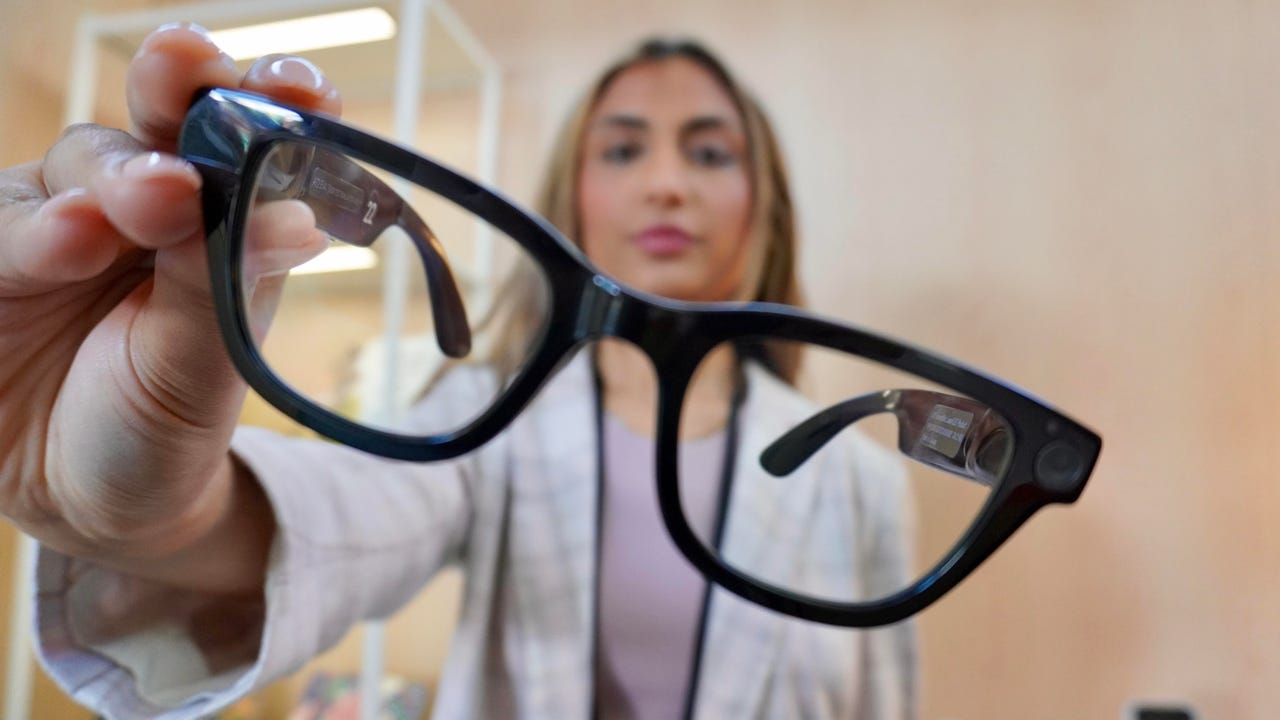
One of the most striking features of the Android XR glasses is the integration of screens right into the lenses. Unlike competitors like the Meta Ray-Bans, which lack this innovative display feature, the Android XR offers a distinct edge. The embedded screens allow users to view notifications, real-time translations, and GPS directions directly in their line of sight. This hands-free experience is particularly beneficial in everyday scenarios, enhancing accessibility without requiring users to pull out their smartphones.
The display’s functionality shines during interactions, making processes like talking to the Gemini AI seamless and intuitive. In practical terms, this means you can receive updates and engage in conversations without interrupting your activities. Imagine navigating through busy streets while having important information at your fingertips without glancing down at your phone.
2. The Power of Gemini AI
Another highlight of the Android XR glasses is the integration of Gemini AI, which consistently enhances the user experience. Unlike Meta AI, which is limited by certain restrictions, Gemini brings a robust framework for various tasks such as voice commands, language translation, and code generation. During my testing, I noticed how Gemini’s capabilities exceeded expectations, showcasing advanced conversational skills that provided meaningful interactions.
For instance, Gemini stands out in producing sensitive content with a high standard of safety. This is vital in today’s world, where AI-generated content must adhere to regulations. The features of Gemini AI not only streamline user interactions but also ensure security and privacy, giving users peace of mind.
3. Design and Comfort: Lightweight Form Factor
In terms of design, the Android XR glasses did not disappoint. Upon wearing them, I was surprised by their lightweight structure. Compared to the Meta Ray-Ban models, which can feel cumbersome over extended use, these glasses fit snugly without causing discomfort. The ergonomic design focuses on ensuring that long-term wear remains comfortable, whether you are using them for a couple of hours or an entire day.
This aspect is crucial. If smart glasses are to become an integral part of our daily tech arsenal, they must be comfortable. The balance between style and function is achieved in the Android XR, making them a viable option for routine wear.
4. Enhanced Interaction: A Look at Features
While wearing the Android XR glasses, interaction felt natural and fluid. For example, taking a picture through the glasses was as straightforward as pressing a button, similar to my experiences with the Meta Ray-Bans. However, the added advantage of seeing the results instantly within the lenses added a unique dimension to the process.
This integrated feedback allows users to assess their captures immediately, paving the way for real-time editing and sharing capabilities. As more features get rolled out, these glasses promise to offer smart assistance in settings that require quick responses and immediate interactions.
5. Future Potential and Market Impact
Looking ahead, the potential of the Android XR glasses could reshape how users engage with both technology and their environment. As wearables become more prevalent, these glasses could lead to a new era where digital interactions seamlessly blend with the physical world. If Google can continue to refine and expand the features at their disposal, there is a lot of potential in both personal and professional spheres.
The competitive landscape for smart glasses will also change dramatically. As Google enhances its product lineup, rivals like Meta will need to reevaluate their strategies to keep pace in this rapidly evolving market.
In conclusion, with the Android XR glasses, Google demonstrates its ambition in the field of wearable tech. The combination of advanced features, AI integration, and user-friendly design marks a monumental step forward. As these glasses prepare for a wider release, it’s clear they will be at the forefront of the smart eyewear evolution.
Google introduced a series of new AI tools and features at the I/O conference, using the term Gemini 95 times and AI 92 times. However, for me, the highlight of the event concerns the glasses Android XR.
For the first time, Google offered the public a glimpse into its new smart glasses. They feature the Gemini assistant, lenses with displays, speakers, cameras, and microphones. All in the traditional glasses format. I had the opportunity to wear them for five minutes. I witnessed the visual assistance of Gemini in action, took photos, and followed navigation instructions.
As a user of Meta Ray-Ban, I couldn’t help but notice the similarities and differences between the two models and the features I’d like to see integrated into my pair of Meta.