
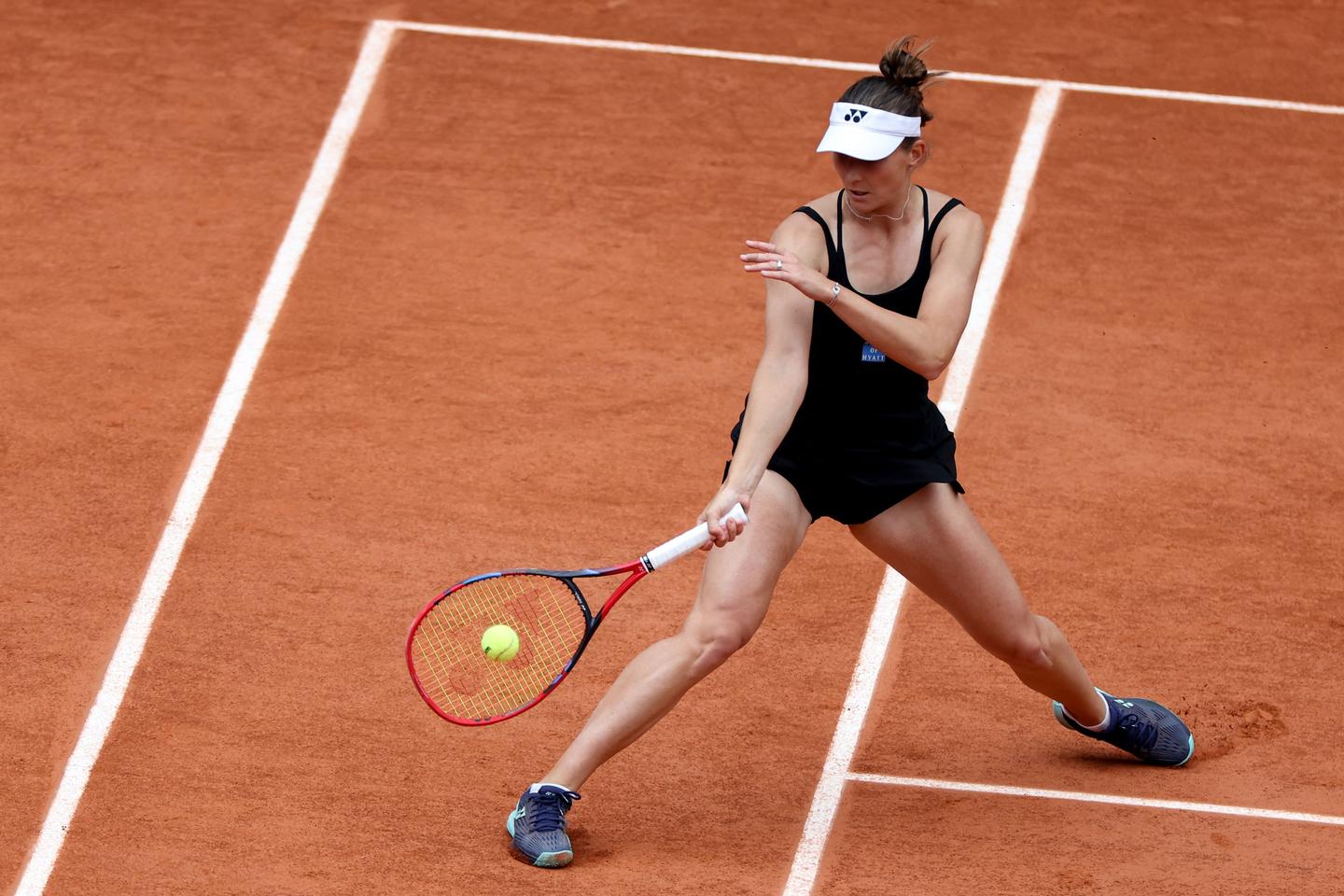
French Tennis at Roland Garros 2025: A Challenging Year for Female Players
Introduction: The State of Women’s Tennis in France
In recent years, women’s tennis in France has faced a significant downturn. This year’s Roland Garros 2025 serves as a crucial indicator of where French players stand on a global scale. The tournament, which is one of the four Grand Slam events, has not only been a platform for showcasing talent but also a reflection of the struggles faced by female athletes in France. As the tournament progresses, the early exits of French women highlight the challenges present in the current landscape of tennis.
Disappointing Results: A Look at the First Round
On Mardi 27 mai, the opening round of Roland Garros concluded with disheartening results for French players. Only three out of nine entrants advanced to the second round. This outcome mirrors some of the worst performances in history, notably 1983 and 2019, which were previously marked as milestones of disappointment. The early knockout of prominent players signals troubling trends. The three who triumphed—Léolia Jeanjean, Elsa Jacquemot, and Loïs Boisson—now stand as the lone representatives of French hopes in the tournament.
The Challenges Faced by French Women
Structural Issues in Training and Development
French tennis is currently coping with various structural problems affecting the development of young female athletes. The reduction in support for training programs, combined with intense competition from emerging tennis nations, has created barriers that are difficult to overcome. As Gilles Moretton, the President of the French Tennis Federation (FFT), pointed out in his address to the media, the situation represents a "hole in the racket" as French players struggle to find their footing amidst growing challenges.
Psychological Pressure and Public Expectations
The psychological burden on French players is immense. They not only have to perform under pressure during matches but also must deal with overwhelming public expectations. The scrutiny from fans and the media can lead to increased anxiety and affect performance. The method Coué—an approach where the positives are emphasized—was employed by Moretton in an attempt to raise morale. However, the overwhelming sense of disappointment overrides these positive spins.
The Journey Ahead: Building Future Stars
Emphasizing Youth Development
One of the primary focuses for the FFT moving forward must be on youth development. Initiatives to nurture young talents born in 2012, 2013, and 2014 should be prioritized. By investing in grassroots programs and providing psychological support, the FFT can aim to cultivate a new generation of skilled female players who can represent France competently on the world stage.
Increasing Competitive Opportunities
More competitive opportunities at the junior levels are essential. By exposing young players to high-pressure environments earlier in their careers, they can build resilience and adaptability. This experience is crucial in today’s fast-paced world of professional sports, where the stakes are high.
Conclusion: Hope Amidst the Shadows
While the current situation of French women’s tennis at Roland Garros 2025 is alarming, there remains hope for a brighter future. With the right strategies focused on youth development and psychological support, the country can cultivate a new generation of stars. As the tournament progresses, quick changes might not be evident, but the foundation laid today can significantly influence the trajectory of French women’s tennis in the upcoming years.

Gilles Moretton avait préféré prendre les devants. Lundi 26 mai, au lendemain du coup d’envoi de l’édition 2025 de Roland-Garros, le président de la Fédération française de tennis (FFT) avait donné rendez-vous à la presse pour évoquer plusieurs sujets et notamment « un trou dans la raquette ». Le dirigeant de 67 ans le sait : les Françaises traversent une zone de turbulence qui commence à se prolonger dangereusement. L’heure était à la méthode Coué, à souligner les bons matchs des Bleues en qualifications, et à nourrir les plus francs espoirs sur les générations « 2012, 2013, 2014 ».