
The Revolutionary Genetic Engineering System: EvoCAST
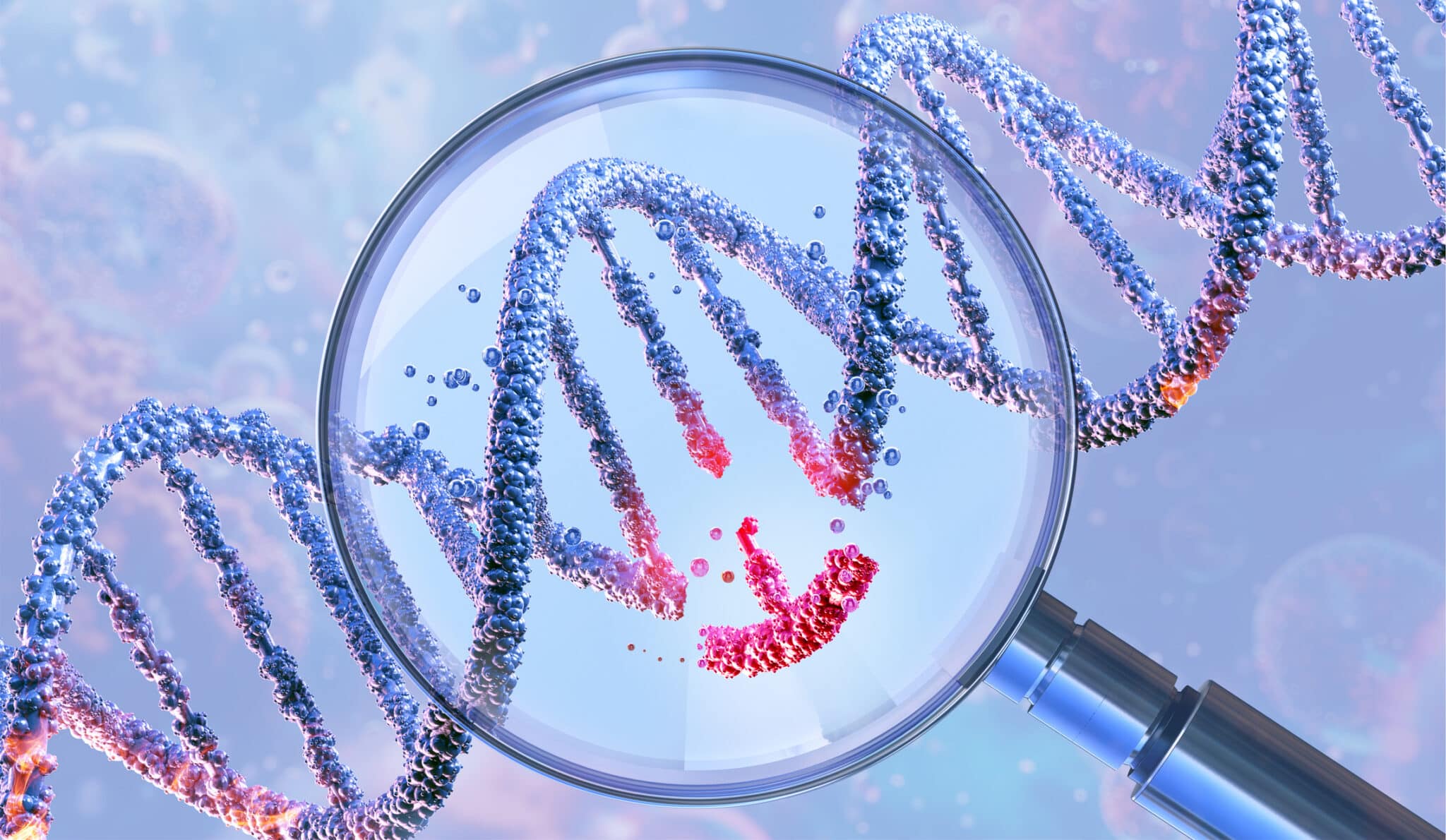
Genetic engineering has long been a subject of fascination and hope in the realm of biomedical research. Recent developments have pushed the boundaries of what is possible within this field. Among the latest innovations is EvoCAST, a groundbreaking system that has the potential to reshape the landscape of treatments for genetic diseases. This advanced technology allows for the integration of entire genes into human DNA, marking a significant leap forward from earlier genetic modification techniques.
Understanding EvoCAST Technology
EvoCAST stands for Enhanced CRISPR-associated Transposases and represents an evolution in how genetic changes can be made at a cellular level. Traditional methods often involve the correction of specific mutations—a process that can be tedious and complex. In contrast, EvoCAST aims to simplify genetic alterations by enabling scientists to directly insert a fully functional copy of a gene into cells. This method is particularly promising, as many genetic diseases can stem from numerous mutations in a single gene, making targeted correction increasingly untenable.
The Scientific Breakthrough
The core of EvoCAST’s technology relies on a naturally occurring system, known as CAST, discovered in 2017. CAST utilizes "jumping genes," which can relocate within the genome without cutting the DNA. Unlike traditional CRISPR systems, often likened to molecular scissors, CAST can insert large segments of DNA precisely, minimizing the risk of introduction of errors during cell repair processes. This innovative approach opens up new avenues for treatment—especially for complex genetic conditions that previously had limited options.
Accelerated Evolution for Enhanced Performance
One of the remarkable aspects of EvoCAST is its rapid evolution through a method known as Phage-Assisted Continuous Evolution (PACE). Researchers accelerated the evolution of the bacterial CAST to make it more effective in human cells. After undergoing several hundred evolutionary cycles, they developed a version named evoCAST, which demonstrated an astonishing ability to insert whole genes with 200 times greater efficiency than its predecessors.
This advanced version incorporates ten essential mutations, enabling it to function robustly within human cells. Although its insertion efficiency varies depending on the cell type, evoCAST has shown the potential to insert genes into 12 to 15% of treated cells—a promising indicator for future medical applications.
Promising Medical Applications
EvoCAST’s transformative capabilities have been tested on genes associated with serious conditions such as Fanconi anemia, Rett syndrome, and phenylketonuria. Early results have been encouraging, indicating that this technology could pave the way for simpler, faster, and potentially safer treatments. Additionally, there is great interest in using evoCAST to modify immune cells for CAR-T cell therapies against cancer, where preliminary outcomes have also shown efficacy.
Overcoming Delivery Challenges
Despite the progress made, one of the critical challenges that remain is how to effectively deliver evoCAST directly to patient cells. Developing robust delivery methods is a vital technical hurdle, but researchers remain optimistic about overcoming this hurdle through innovative approaches.
A Promising Future… with Caveats
While the journey toward practical applications of evoCAST is just beginning, the research landscape is under pressure—particularly in funding. For instance, budget cuts in institutions like the National Institutes of Health (NIH) in the United States pose serious challenges for ongoing projects. Isaac Witte, a key researcher involved in this work, emphasizes the seriousness of this challenge, stating, "We take this issue very seriously."
Nonetheless, the implications of EvoCAST are monumental. By providing the ability to target the insertion of entire genes into human DNA, it lays the groundwork for more streamlined, efficient, and potentially safer treatments for a wide range of genetic disorders. The potential for this technology to revolutionize the treatment landscape is immense, and it continues to spark excitement and hope in the scientific community.
In a world where genetic diseases affect millions, the promise of systems like evoCAST could lead to more effective and comprehensive treatments, directly addressing complex genetic issues that have long plagued patients.
In summary, EvoCAST offers a glimpse of what the future of genetic engineering might hold, providing renewed hope for patients and healthcare providers alike. The quest for safer, more effective medical interventions depends on continued research and innovation, making the advancements in EvoCAST a critical element in the evolution of genetic medicine.
Des scientifiques ont
développé un nouveau système d’édition génétique révolutionnaire
capable d’intégrer des gènes entiers dans l’ADN humain. Cette
avancée pourrait, à terme, offrir un espoir concret aux patients
souffrant de maladies génétiques complexes causées par une
multitude de mutations différentes.
Jusqu’à présent, les
outils d’édition génétique se limitaient souvent à corriger une ou
quelques mutations spécifiques. Ce nouveau système, présenté dans
une étude publiée dans Science, propose une approche alternative : au lieu
de cibler les erreurs une à une, il insère directement une copie
fonctionnelle complète du gène dans les cellules.
« Une même maladie
génétique peut être causée par des centaines, voire des milliers de
mutations différentes sur un même gène », explique Isaac
Witte, doctorant à Harvard et co-auteur principal de l’étude. Il
prend l’exemple de la mucoviscidose, qui peut résulter de plus de 2
000 mutations différentes. « Traiter chaque mutation
individuellement est un véritable casse-tête réglementaire et
technique. L’idée d’intégrer un gène entier fonctionnel simplifie
grandement ce processus. »
Le cœur de la technologie :
les transposases associées à CRISPR (CAST)
Cette innovation
s’appuie sur un système naturel appelé CAST, découvert en 2017, qui
permet aux « gènes sauteurs » de se déplacer dans le génome sans
couper l’ADN. Contrairement aux systèmes CRISPR traditionnels, souvent comparés
à des « ciseaux moléculaires », CAST insère de larges sections
d’ADN de manière précise sans créer de cassures, ce qui évite les
erreurs de réparation souvent introduites par la cellule.
Cependant, ces
systèmes n’étaient pas initialement adaptés aux cellules humaines,
où leur efficacité était quasi nulle. L’équipe dirigée par Samuel
Sternberg, professeur à l’Université Columbia, a donc entrepris
d’améliorer ce mécanisme pour qu’il fonctionne de façon optimale
dans le génome humain.
Evolution accélérée pour une
efficacité décuplée
Grâce à une méthode
appelée PACE (Phage-Assisted Continuous Evolution), les chercheurs
ont accéléré l’évolution du CAST bactérien afin de l’adapter aux
cellules humaines. En quelques centaines de cycles évolutifs, ils
ont fait évoluer une version baptisée evoCAST, capable d’insérer un
gène entier avec une efficacité multipliée par 200.
Cette nouvelle
version comprend dix mutations clés qui permettent son
fonctionnement dans les cellules humaines. Malgré une efficacité
encore variable selon les types cellulaires, evoCAST a montré une
capacité d’insertion dans 12 à 15 % des cellules traitées — un taux
déjà très prometteur pour envisager un futur traitement.
Crédit :
iStock
Crédits : TanyaJoy/iStock
Des applications médicales
prometteuses
L’équipe a testé
evoCAST sur des gènes liés à des maladies graves telles que
l’anémie de Fanconi, le syndrome de Rett ou la phénylcétonurie,
avec des résultats encourageants. Ils ont aussi exploré son
utilisation pour modifier des cellules immunitaires dans le cadre
de thérapies CAR-T contre le cancer, où l’outil s’est révélé
également efficace.
L’enjeu majeur pour
la suite est de trouver les meilleures méthodes pour délivrer
evoCAST directement dans les cellules des patients, un défi
technologique important mais surmontable.
Un avenir prometteur… mais
sous conditions
Le travail ne fait
que commencer, d’autant que le financement de ce type de recherche
est actuellement sous pression, notamment aux États-Unis où les
coupes budgétaires dans les institutions comme les NIH compliquent
la poursuite des projets. « C’est un défi que nous prenons très au
sérieux », précise Isaac Witte.
Néanmoins, la portée
de cette avancée est immense : en rendant possible l’insertion
ciblée de gènes entiers dans l’ADN humain, evoCAST ouvre la voie à
des traitements plus simples, plus rapides et potentiellement plus
sûrs pour un large éventail de maladies génétiques.