
The Rise of Genetic Awareness: A Case Study on Sperm Donation and Genetic Mutations
The ethical and medical implications of sperm donation have been in the spotlight recently due to alarming genetic findings linked to one particular donor in Belgium. As society grapples with the consequences of genetic variability, this situation has highlighted the necessity for transparent practices and stringent limits in sperm donation.
Understanding Genetic Mutations
Genetic mutations are changes in the DNA sequence that can lead to various health conditions, including cancer. One notable example is the Li-Fraumeni syndrome, an inherited condition that significantly increases the risk of developing certain cancers at a young age. In light of recent findings in Belgium, awareness of such genetic predispositions is increasingly crucial.
The Incident in Belgium
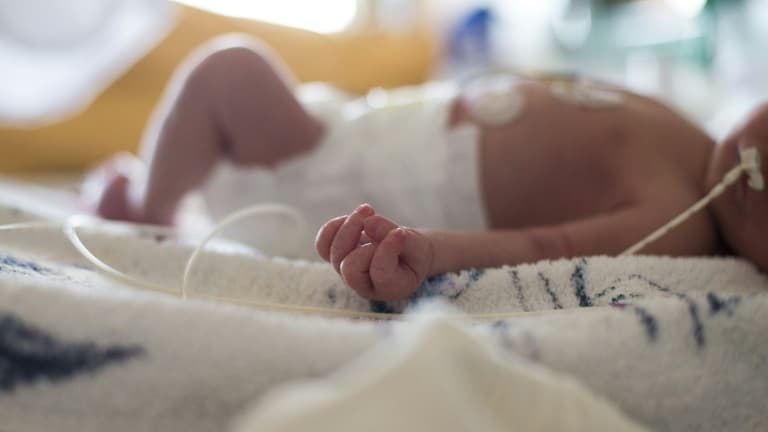
A Belgian sperm donor with a genetic mutation has been linked to the birth of 67 children, ten of whom have now been diagnosed with cancer. Reports indicate that two families have returned to their clinics after discovering their children’s cancer diagnosis connected to this specific genetic mutation. The implications of this incident have sparked an urgent call for regulation in sperm donation practices.
Deficiencies in Current Sperm Donation Practices
Sperm donation has long been characterized by a lack of stringent regulations and oversight. Many prospective parents who seek sperm donation often operate under the assumption that donors are thoroughly screened for potential genetic issues. However, the recent events suggest that existing protocols may not be as effective as believed.
Expert Opinions
Numerous experts have weighed in on this discussion. Dr. Edwige Kasper, a biologist at Rouen University Hospital, has called for a European limit on the number of families that can be conceived from a single donor. She emphasizes that maintaining a limit could protect future children from potential health risks associated with inherited genetic conditions.
“The reality is that we need better systems in place to monitor the usage of donors and to inform recipients,” echoes Professor Nicky Hudson from De Montfort University. His insights point towards a fundamental issue: insufficient tracking and communication regarding the genetic backgrounds of donors.
The Broader Implications
This incident in Belgium has raised ethical questions regarding how sperm banks operate and the responsibilities they hold. What does it mean for a child to inherit a genetic predisposition that could lead to severe health issues? Parents who use sperm donation should have access to comprehensive information about the genetic backgrounds of potential donors.
Current Family Responses
As families come to terms with the repercussions, several have begun to take investigative steps. Reports indicate that seven Belgian families have been affected, and other families possibly across Europe may have also received sperm donations from the same individual. In response, these families have sought full-body and brain MRI scans to assess the health of their children.
New Regulations
To prevent such situations from reoccurring, the European Sperm Bank has announced the imposition of a limit on sperm donations—75 families per donor. The goal is to minimize the risk of complications arising from genetic predispositions that can affect multiple offspring.
The Experiences of Other Families
In addition to the Belgian situation, investigations have revealed that ten other families in France may have benefited from the same donor, emphasizing the pan-European implications of this single genetic incident. The call for better communication and genetic testing has become increasingly urgent as consequences unfold.
Genetic Screening Limitations
Julie Paulli Budtz, the spokesperson for the European Sperm Bank, acknowledged that while donors undergo rigorous screenings, it is scientifically impossible to detect all pathogenic mutations. This caveat underscores the need for evolving strategies to assess donor profiles effectively.
Conclusion: The Path Forward
The critical analysis of sperm donation practices necessitates immediate attention and action. To protect future generations and ensure the well-being of children, both ethical guidelines and scientific advancements must work hand-in-hand. Society must engage in dialogues about the responsibilities surrounding sperm donation and the role of genetic testing in this process.
Un homme porteur du mutation génétique et donneur de sperme en Belgique a engendré la naissance de 67 enfants… dont 10 sont désormais atteints d’un cancer. En réaction, la Banque européenne de sperme a mis en place une limite de 75 familles par donneurs.
Une donation non sans conséquences. En Belgique, un donneur de sperme porteur d’une mutation génétique a été utilisé pour concevoir au moins 67 enfants… dont 10 ont été diagnostiqués avec un cancer, rapporte ce mardi 27 mai le média belge RTL info.
Si le nombre total des enfants concernés n’est pas encore connu à ce stade, sept familles belges seraient touchées, selon le journal flamand Het Nieuwsblad.
Pour le moment, seules deux familles sont retournées vers leurs cliniques après avoir découvert que leurs enfants avaient développé un cancer lié à cette variante génétique rare. À noter que ces deux familles avaient reçu une donation de sperme d’un même homme fourni par la Banque européenne de sperme.
“Nous devons fixer une limite européenne”
Lors des analyses, les familles ont découvert que les bébés détenaient le syndrome de Li-Fraumeni, une forme héréditaire du cancer qui peut toucher les enfants ainsi que les jeunes adultes.
Plusieurs spécialistes de la génétique ont rapidement réagi à cet incident. “Nous devons fixer une limite européenne au nombre de naissances ou de familles pour un même donneur”, a déclaré le Dr Edwige Kasper, biologiste à l’hôpital universitaire de Rouen, auprès de The Guardian.
De son côté, le professeur Nicky Hudson, de l’université De Montfort à Leicester a appuyé sur le manque de surveillance de la Banque autour des familles qui reçoivent les dons de sperme.
“Nous avons besoin de meilleurs systèmes de suivi de l’utilisation des donneurs et d’information des receveurs”, a réagi de son côté le professeur Nicky Hudson, de l’université De Montfort à Leicester.
Concernant les autres familles, plusieurs autres enquêtes ont révélé que dix familles en France ont bénéficié du don de l’homme porteur d’une mutation génétique, relève Le Parisien. Les autres enfants porteurs de la maladie, ont été invités à se soumettre à faire une batterie de tests via des IRM du corps entier et du cerveau pour déterminer leur situation.
Des “contrôles rigoureux” effectués sur le donneur
“Le donneur avait subi des contrôles rigoureux, mais il est impossible scientifiquement de détecter toutes les mutations pathogènes sans savoir précisément ce que l’on cherche”, a précisé Julie Paulli Budtz, porte-parole de la Banque européenne de sperme.
Pour éviter que ce scénario se renouvelle, la Banque européenne de sperme a assuré avoir mis en place une “limite internationale de 75 familles par donneur”.