
The Case of Bastien Vivès: A Controversial Audience in French Judiciary
Introduction
Bastien Vivès, a prominent figure in the world of comic art, has found himself in a very serious legal predicament. The artist, known for his unique style and storytelling, is being scrutinized by the French judicial system as it grapples with sensitive issues around child protection and artistic freedom. This case, which has captured significant media attention, revolves around the allegations of distributing pornographic images involving minors, as depicted in two of his works: Petit Paul and La Décharge Mentale.
Context of the Case
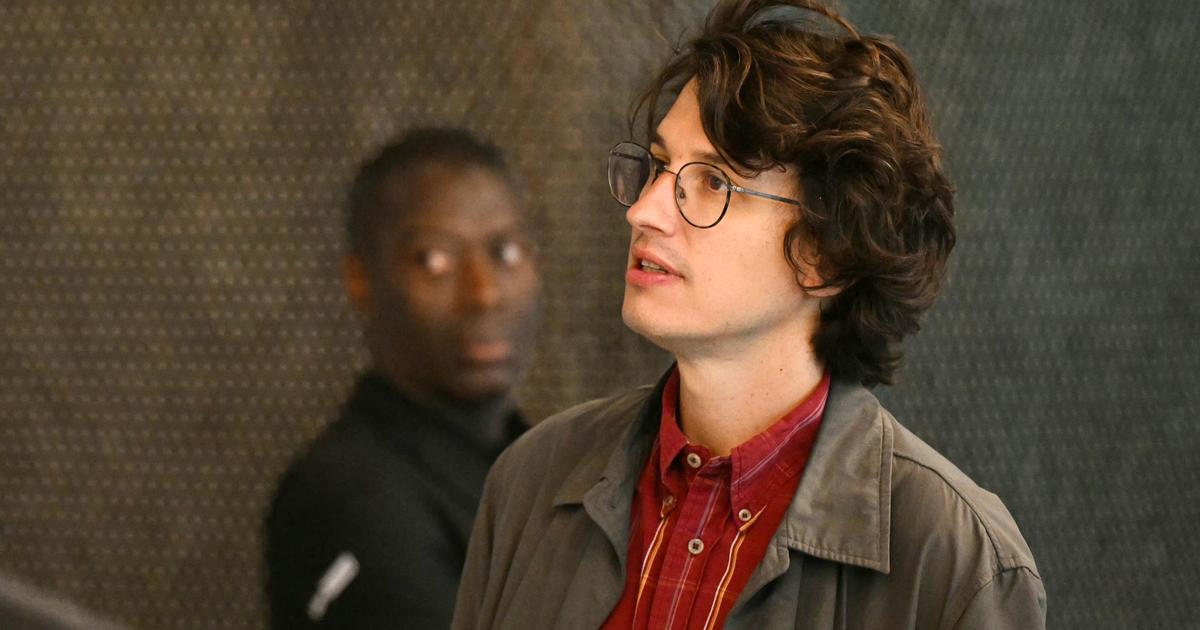
On the morning of the hearing, Vivès appeared before the court in a casual outfit that starkly contrasted with the gravity of the situation. Despite the vanished adolescent appearance, he still carried an air of youthful rebellion characteristic of his artistic persona.
The charges against him stem from the publication of his comics, which critics argue contain inappropriate depictions of minors. This has sparked widespread debate not only about the content of Vivès’ work but also about the implications for freedom of expression and artistic creativity in France.
Legal Proceedings
The courtroom proceedings have been characterized by fierce arguments and intense discussions. Vivès’ lawyer, Me Richard Malka, has voiced strong opposition to the manner in which child protection activists have criticized the artist, labeling them as “self-righteous.” Over the course of nearly four hours, the discussions touched upon several technical legal matters, especially focusing on the competence of the disciplinary tribunal in Nanterre to handle the case.
The tension in the courtroom reflected the broader societal implications of the case. On one hand, there are advocates for child protection who argue vehemently against any form of artistic expression that exploits minors. On the other hand, there are supporters of Vivès who emphasize the need for creative freedom in art, suggesting that labeling his work as harmful could set a dangerous precedent.
Throughout the proceedings, the defense maintained that the works in question are a form of artistic expression and should not be conflated with criminal acts.
Outcome and Implications
After approximately two hours of deliberation, the tribunal declared itself territorially incompetent to judge the case, leading to the potential for further legal battles. The decision raised questions about the reliability and jurisdiction of current French legal frameworks concerning artistic freedom, especially when it intersects with issues of child protection.
Public Reaction
Public response has been mixed, mirroring the polarized opinions within society regarding the intersection of art and morality. Social media platforms have become battlegrounds, with fans of Vivès defending his work as artistic rebellion and critics condemning it as harmful.
The case has shed light on the delicate balance between creative freedom and the protection of vulnerable populations, particularly minors. Movements advocating for children’s rights have called for stricter regulations on artistic works that depict minors, while advocates for artists have argued for an open dialogue about the limits of artistic expression.
Conclusion
In conclusion, the case of Bastien Vivès is not merely about one artist or two controversial comic books; it serves as a microcosm for wider societal debates regarding freedom of expression, artistic integrity, and the imperative to protect children from exploitation. As the legal battles continue, one cannot help but wonder where the lines will be drawn in the ever-evolving landscape of art and morality in France.
COMPTE RENDU D’AUDIENCE – Le tribunal judiciaire des Hauts-de-Seine s’est déclaré territorialement incompétent. Dans la matinée, les avocats de Bastien Vivès s’en sont vivement pris aux associations de défense des enfants, «donneuses de leçon».