
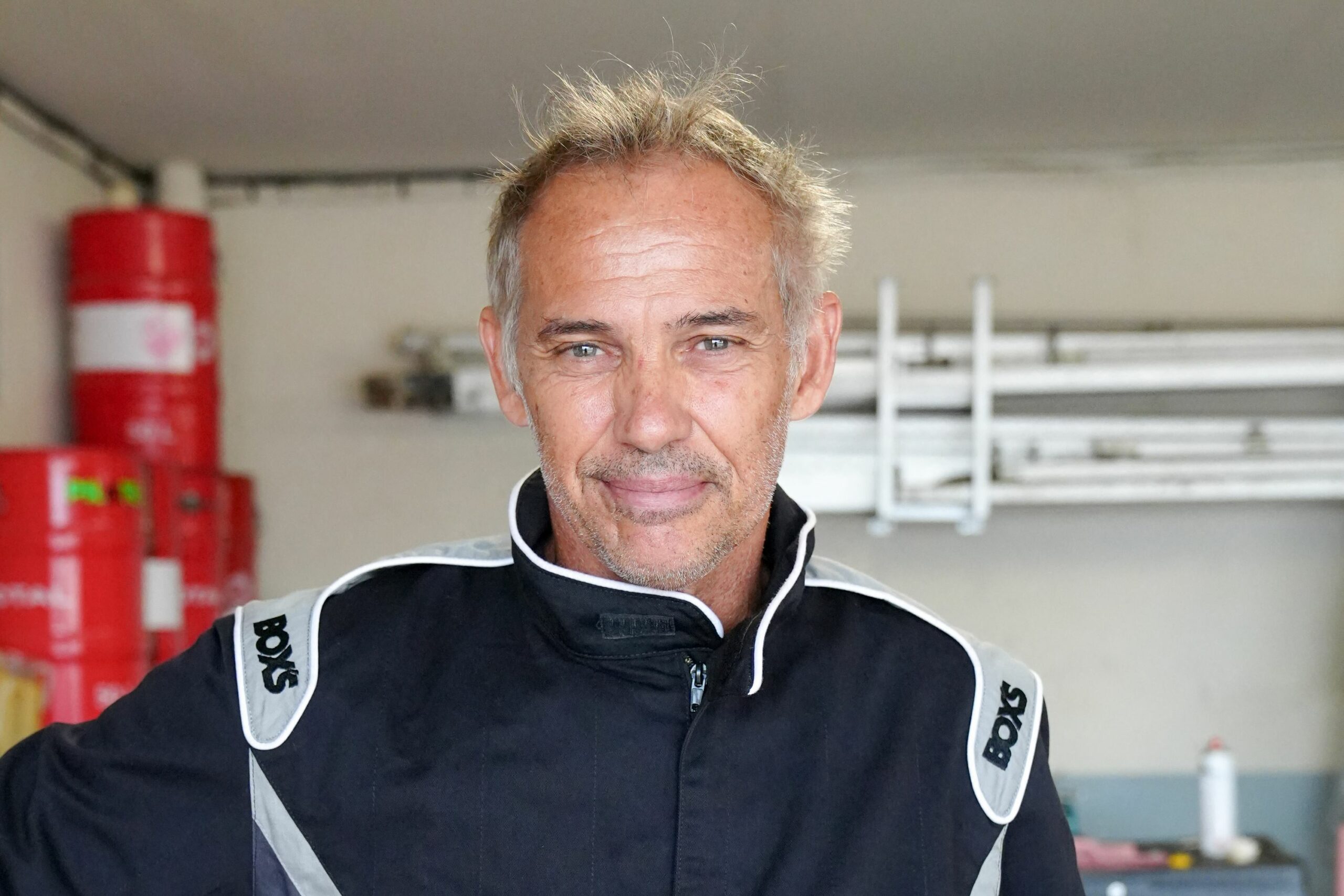
The Emotional Legacy of Paul Belmondo
A Deeply Personal Loss
The personal life of renowned actor Paul Belmondo has been shaped by profound tragedies that have left an indelible mark on his emotional landscape. Among these tragedies is the heartbreaking loss of his sister, Patricia, who tragically perished in a fire in her apartment on October 31, 1993. This harrowing event not only impacted Paul but also resonated deeply within the Belmondo family and their close circle.
Patricia was born to the iconic actor Jean-Paul Belmondo and his former wife Élodie Constantin. As the eldest daughter, she held a special place in her family’s heart, yet she was often described as a complex individual—independent yet somewhat distant. Paul recalls fondly some of their last moments together, stating, "I remember spotting her in the street just a few days before the tragedy." This sense of nostalgia intertwines with the overwhelming grief that has lingered ever since.
Coping with Grief
Reflecting on the pain of losing Patricia, Paul has expressed the unique emotional burden it places not just on him, but on their parents as well. In a candid interview, he shared, "My father was performing at the theatre that night, all while knowing his daughter had just passed." This juxtaposition of performance and personal loss raises questions about how individuals cope with grief in the public eye.
Paul conveys a sense of understanding regarding the tragic nature of losing a child, stating, "It is not in the chronology of life. Children are not supposed to depart before their parents." This sentiment resonates with many who have faced similar tragedies, providing solace in the shared experience of loss.
The Burden of Awareness
Interestingly, Paul notes a strange intuition that permeated the family prior to Patricia’s death. “We all sensed something was amiss,” he explains, highlighting the emotional burden felt collectively by family members. This unsettling awareness can make the loss even more poignant, as if it was an expected outcome in a relationship filled with complications.
In the depths of his sorrow, Paul attempts to rationalize the tragedy. He remarks, "Unfortunately, when certain incidents occur, you find yourself thinking, ‘Yes, this was bound to happen.’ It’s a painful instinct to have." Acknowledging this aspect of grief can often provide a greater understanding of the intricate layers of family dynamics and personal struggles intertwined with loss.
Resilience in Performance
The theatrical world, known for its flair and dramatic expression, becomes a unique sanctuary for the Belmondo family following these experiences of loss. Paul recalls how his father chose to perform that fateful night. "For actors, regardless of circumstances, they continue to perform. It’s a way to navigate through the pain." This attitude reflects a longstanding tradition within their family, which emphasizes resilience and the need to maintain a sense of normalcy even in tumultuous times.
He elaborates, "If he hadn’t gone on stage that night, the weight of his grief would have only intensified. Performing was a form of healing." This concept of turning pain into art continues to resonate strongly within the cultural fabric of entertainers, their performances serving as avenues for catharsis and expression.
An Unbreakable Bond
The legacy of emotions and experiences within the Belmondo family serves as a reminder of the resilience found in shared struggles. Paul provides a poignant example of this unbreakable familial bond, recounting his own experience on stage during a time of personal loss. “On the day of my mother’s death, I too chose to perform. It wasn’t a matter of merely following my father’s lead; it was a necessity.”
This powerful statement encapsulates the underlying philosophy that drives the Belmondo family: honoring those who have passed through their continued dedication to art. “We perform not just for ourselves but for the audience,” Paul concludes. “It’s not an excuse to avoid playing. The show must go on.”
Conclusion
The emotional journey of Paul Belmondo is woven with threads of tragedy, resilience, and a lasting commitment to honor those lost. The impact of family tragedies, particularly the loss of a beloved sister, shapes the emotional fabric of his existence. As he navigates the complexities of grief and performance, Paul Belmondo remains a testament to the strength found within love, loss, and the indomitable spirit of family.
Aujourd’hui papy gaga, Paul Belmondo n’a pas été épargné par les drames familiaux. À l’occasion d’un nouvel entretien, il est revenue sur la perte de sa sœur Patricia, disparue tragiquement en 1993.
Le 31 octobre 1993, Paul Belmondo perdait sa sœur Patricia au cours d’un incendie survenu dans son appartement. Un drame familial qui a profondément marqué le comédien, qui est toujours resté discret sur le sujet. Invité dans l’émission « Entre vous et moi », animée par Dominique Lagrou-Sempère sur YouTube, ce 25 mai, le fils de « Bébel » s’est pour la première fois confié sur ce tragique événement.
« C’est quelque chose de difficile et une fois de plus, je repense à mon père qui a vécu ça. Il était au théâtre. Il a joué le soir, tout en sachant que sa fille venait de mourir », avoue-t-il avec émotion. Puis il se remémore sa sœur, une femme qu’il décrit comme « très indépendante » et parfois distante avec les siens. Fille aînée de Jean-Paul Belmondo et de son ex-épouse Élodie Constantin, Patricia est morte à l’aube de ses 40 ans, quelques jours après avoir vu son frère. « Je me souviens encore d’elle, quelques jours avant. De l’avoir croisée dans la rue, de lui avoir parlé. »
Et si le choc a été immense, l’ex de Luana admet tout de même avoir eu une étrange sensation. « Malheureusement, il y a des gens, quand on vous annonce un accident, vous vous dites : Oui, ça devait arriver. On sait qu’à un moment donné, quelque chose va se passer dans leur vie, parce qu’ils vivent comme ça, parce qu’ils sont comme ça. »
Une intuition douloureuse partagée par plusieurs membres de sa famille : « On le sentait tous. Mon père, pareil. Et ma mère je pense aussi. » Avant d’ajouter : « C’est terrible de perdre un enfant […] Ce n’est pas dans la chronologie de la vie. On ne doit pas partir après ses enfants. »
La scène après le deuil, un choix de famille
Ce soir-là, Paul Belmondo raconte à Dominique Lagrou-Sempère que son père était monté sur scène malgré le deuil. « Les comédiens, les saltimbanques, quoi qu’il arrive, ils jouent », explique-t-il rationnellement avant d’indiquer la raison plus personnelle derrière ce choix. « C’est une manière de surmonter la douleur, le deuil. […] Je pense que ce soir-là, s’il ne montait pas sur scène, sa souffrance aurait été encore plus forte. »
Tel père, tel fils. L’ancien coureur automobile raconte lui aussi être monté sur scène le jour de la mort de sa mère Élodie Constantin, en septembre 2024. À ce moment-là, il était sur les planches pour la pièce Papasss de Nadège Meziat. Pris d’émotion, il conclut entre deux sanglots : « Ce n’est pas parce que mon père l’a fait que je l’ai fait. Il faut jouer, on n’a pas le choix. Le public est là. Ce n’est pas une excuse, de ne pas jouer. »