
The Evolving Stance of the German Government on the Israel-Palestine Conflict
The ongoing conflict between Israel and Hamas in the Gaza Strip has escalated into a humanitarian crisis, prompting significant political shifts in Germany. With reports of hunger affecting hundreds of thousands and intensifying military actions, German Chancellor Friedrich Merz has expressed a critical stance against Israel’s operations. This tension has led to calls for a reevaluation of Germany’s friendship with Israel and its implications on arms exports.
Germany’s Changing Tone Amidst Crisis
In light of Israel’s harsh military tactics against Hamas, the German government is reconsidering its approach. Chancellor Merz has emphasized the need for discussions regarding possible consequences for Israel’s actions. He stated, “I see very, very critically what has happened in recent days,” highlighting deep concerns for the civilian population amid ongoing military operations.
Merz’s comments came during a meeting of the Nordic Council in Finland where he acknowledged the plight of the suffering civilians caught in the crossfire. He pledged to intensify conversations with the Israeli government in hopes of alleviating the situation.
The Question of Arms Exports
In this shifting context, there are unresolved debates regarding the arms exports to Israel. Minister of Foreign Affairs Johann Wadephul clarified that decisions on weapon deliveries are currently not being made. He indicated that the integrity of international law is paramount in these discussions.
Wadephul dismissed the notion of “coerced solidarity” with Israel’s government, stressing the importance of distinguishing between the Israeli populace and its current administration. He remarked on the necessity of proportionality in military responses, which he believes has been compromised in this ongoing conflict.
Calls for Legislative Discussion
Within the German political landscape, there has been rising momentum advocating for the halt of arms supplies to Israel. Rolf Mützenich, a former head of the parliamentary faction, voiced his support for the suspension of weapons deliveries given the severity of Israel’s actions against Hamas.
In light of these discussions, Mützenich underscored the need for an in-depth dialogue within the Bundestag, Germany’s parliament, to deliberate the future of arms exports. He emphasized that the decision ultimately lies with the Federal Security Council.
Israeli Reaction to German Critique
In response to Germany’s stance, Israeli Ambassador to Berlin Ron Prosor acknowledged the seriousness of the criticisms being voiced. He noted that when Chancellor Merz raises concerns, it is given significant attention due to the friendship between the two nations.
However, Prosor maintained that Israel’s objective remains the dismantling of Hamas as a terror organization. He articulated the complexity of the situation, referring to the challenges of balancing military operations against Hamas with the necessity to provide humanitarian aid to civilians.
Tragic Consequences of Military Action
The deteriorating conditions within the Gaza Strip have been alarming, with reports indicating that Israel has blockaded aid deliveries since March, withdrawing previously agreed-upon ceasefires. This strategy aims to increase pressure on Hamas while also raising humanitarian concerns.
In recent military operations, crucial infrastructures, including schools serving as shelters for displaced families, have been targeted. The stark reality is that such actions have resulted in significant civilian casualties, including children, conflicting with justifications of combating terrorism.
International Appeals for Humanitarian Action
Ursula von der Leyen, President of the European Commission, condemned the heightened military actions leading to civilian infrastructure being targeted. Her previous reluctance to publicly critique Israel marked a contrasting development in response to the ongoing humanitarian crisis. She described the escalation of violence as “abhorrent” and called for the immediate cessation of hostilities.
Von der Leyen’s demands for humanitarian assistance to be allowed unhindered through the United Nations stand crucial in light of approximately two million people facing potential famine in Gaza.
Germany’s Position on Humanitarian Aid
As discussions surrounding military support unfold, Chancellor Merz has reiterated the fundamental obligation to ensure the livelihood of civilians in the Gaza Strip. He pointed out the excessive suffering caused to the civilian population due to ongoing military operations.
While Germany remains committed to its relationship with Israel, it also recognizes its responsibility towards the people in Gaza. Wadephul pointed out that discussions must extend beyond mere ceasefires to outline a comprehensive plan for the future.
The evolving German stance emphasizes a delicate balancing act between historical ties with Israel and the moral duty towards humanitarian considerations affecting civilians caught in prolonged violence.
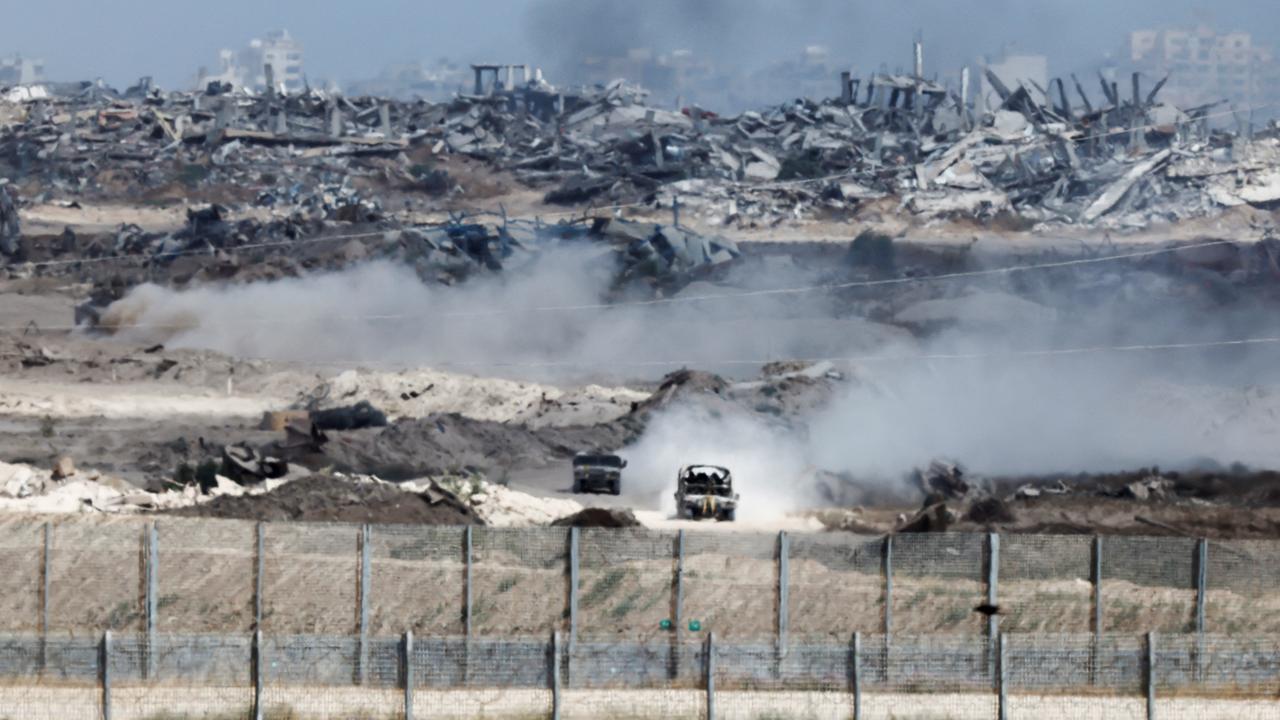
In light of the Israeli military’s operations in the Gaza Strip, the German government is changing its tone. Chancellor Merz is no longer ruling out consequences. Voices from the SPD are again calling for a halt to arms exports.