
The Evolution of Animation: A Journey Through Time
Animation has been a significant aspect of cinema since its inception. With vibrant visuals and engaging storytelling, animated films have captivated audiences of all ages. This article will explore the evolution of animation, highlighting its milestones, techniques, and impact on both entertainment and culture.
The Birth of Animation
The roots of animation can be traced back to the late 19th century. The earliest forms were simple, line-drawn images that created the illusion of motion. Devices like the zoetrope and praxiscope paved the way for the development of animated sequences. These gadgets relied on the concept of persistence of vision, a phenomenon where multiple images blend into a single moving image.
Early pioneers such as J. Stuart Blackton and Emile Cohl further advanced animation techniques. Blackton’s work, “Humorous Phases of Funny Faces,” is often considered one of the first animated films, blending live-action with animation. Cohl’s “Fantasmagorie” to follow defined the genre’s comedic potential with its surreal imagery.
The Golden Age of Animation
The 1930s marked the Golden Age of Animation, with studios like Walt Disney and Warner Bros. leading the charge. Disney’s creation of Mickey Mouse in “Steamboat Willie” in 1928 was groundbreaking; it was one of the first cartoons to feature synchronized sound. This innovation not only revolutionized animation but also changed the way audiences experienced films.
Disney’s feature-length animated films, like “Snow White and the Seven Dwarfs” (1937), set new standards for storytelling and artistry. The film was not only a commercial success but also established animation as a serious cinematic art form. Other studios, like Warner Bros., responded creatively with iconic characters such as Bugs Bunny and Daffy Duck, each contributing to the animation landscape with their unique styles and stories.
Technological Advancements
As the animation industry grew, so did the technology behind it. Innovations like computer-generated imagery (CGI) began transforming the animation landscape in the late 20th century. Films such as “Toy Story” (1995), produced by Pixar, marked the first fully CGI animated feature film. This film showcased the potential of computer technology combined with innovative storytelling, leading to an explosion of CGI films in the subsequent years.
The influence of digital animation technology cannot be overstated. Early original hand-drawn techniques evolved into a marriage of traditional methods with digital enhancements. For instance, Disney’s “Frozen” (2013) beautifully integrated 3D animation with classic 2D aesthetics, creating a seamless visual experience.
Cultural Impact and Global Growth
Animation is not just entertainment; it plays a crucial role in cultural expression. Films like Hayao Miyazaki’s works from Studio Ghibli, such as “Spirited Away” (2001), bring rich Japanese storytelling traditions to a global audience. Such films transcend mere entertainment, offering deep life lessons and reflections on humanity and nature.
In recent years, animated films have embraced diverse global narratives. Animation festivals around the world appreciate the medium’s potential to tell unique stories, allowing filmmakers from various cultures to showcase their works. This inclusion promotes cultural exchange and understanding among audiences, making animation a significant medium in the global film industry.
The Rise of Streaming Platforms
In the 21st century, the rise of streaming services like Netflix, Disney+, and Amazon Prime has changed how animated content is consumed. Traditional theatrical releases now coexist with series and films available for immediate viewing. This shift opens up new avenues for creative storytelling, with shorter formats and unique styles finding an audience.
For example, series like “Big Mouth” and “Bojack Horseman” have pushed boundaries with their mature themes and complex character dynamics. The diverse formats available through streaming platforms allow creators to experiment with storytelling in ways that traditional studios may not. This democratization of content has led to an increase in niche animated series catering to specific audiences.
The Future of Animation
Looking forward, the future of animation appears promising. With advances in artificial intelligence (AI) and virtual reality (VR), new dimensions for storytelling are emerging. These technologies can create immersive experiences that enhance how audiences engage with animated content. AI can assist in animating complex scenes more efficiently, while VR opens doors to entirely new forms of interactive storytelling.
Additionally, the increasing focus on sustainability within the animation industry is crucial. Traditional methods often consume significant resources, and as awareness grows, studios may focus on more eco-friendly practices, reflecting a global push for sustainability across all sectors.
Conclusion
Animation has undergone a remarkable transformation since its inception, evolving from simple drawings to complex digital experiences. It has become a vital component of global culture and has the power to tell diverse and meaningful stories. As technology continues to advance and storytelling evolves, the future of animation is full of possibilities.
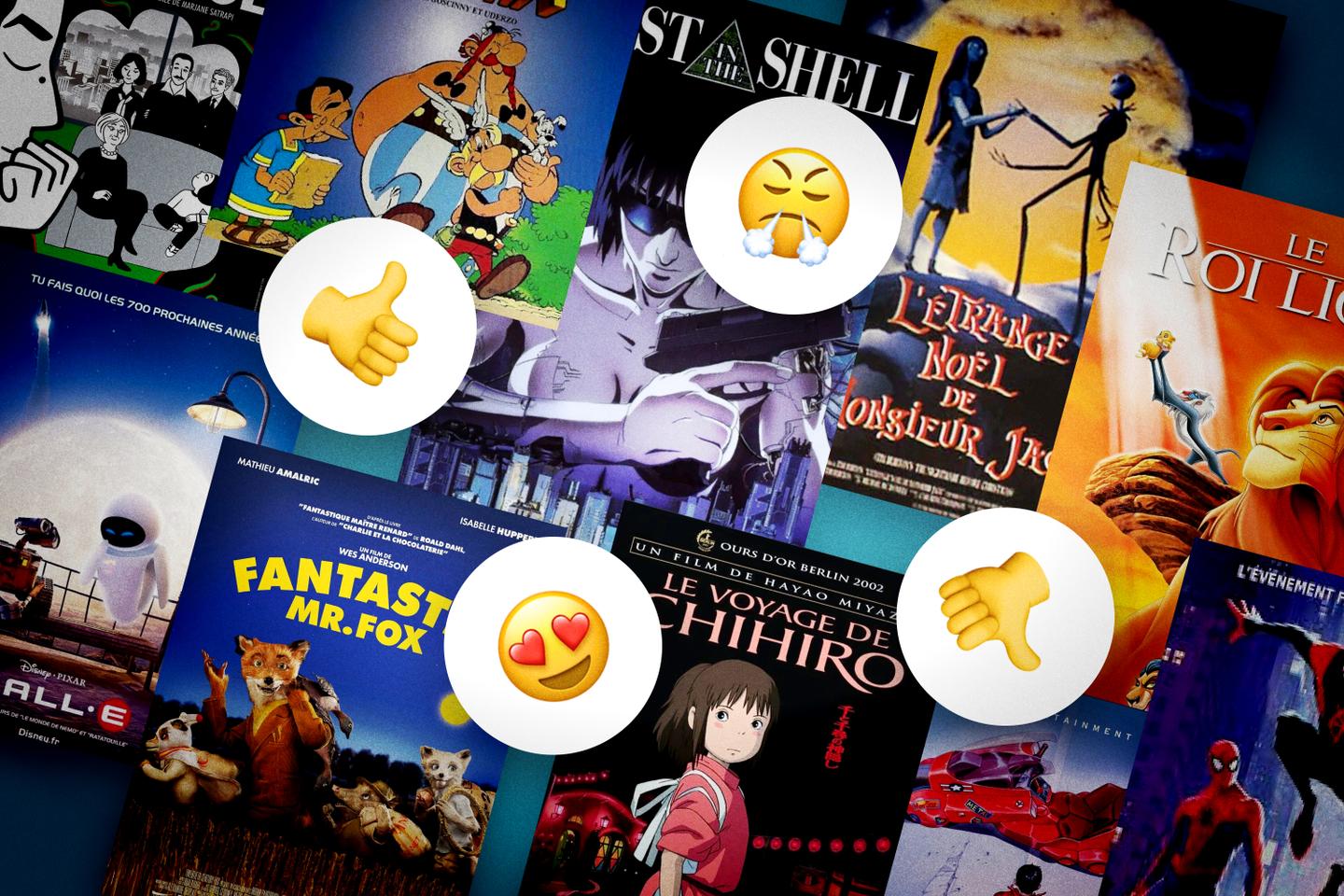
As every year since its inception in 1960, the jury of the International Animation Film Festival of Annecy will award, from June 8 to 14, the best productions of the genre from the past year. On this occasion, Le Monde invites you to compile a list of your favorite feature films in the history of animated cinema.
We have made a preliminary selection that, in a non-exhaustive manner, gathers the classics of the genre. Your mission, if you choose to accept it, is to assign points to each work on the list. A 😍 equals 2 points; a 👍 equals 1 point; a 👎 equals −1 point; and a 😤 equals −2 points. The 😶 does not add or take away points but is useful for works that left you… astonished. Le Monde will publish the results of this consultation, accompanied by your testimonials, on the opening day of the festival.
If despite all our efforts, your favorites are not included in the preliminary selection, you have the option to add them yourself in the space provided at the bottom of the page. Works recommended multiple times will be added to the final ranking. Happy selecting.