
Understanding France’s Budgetary Challenges: A Call for Fiscal Responsibility
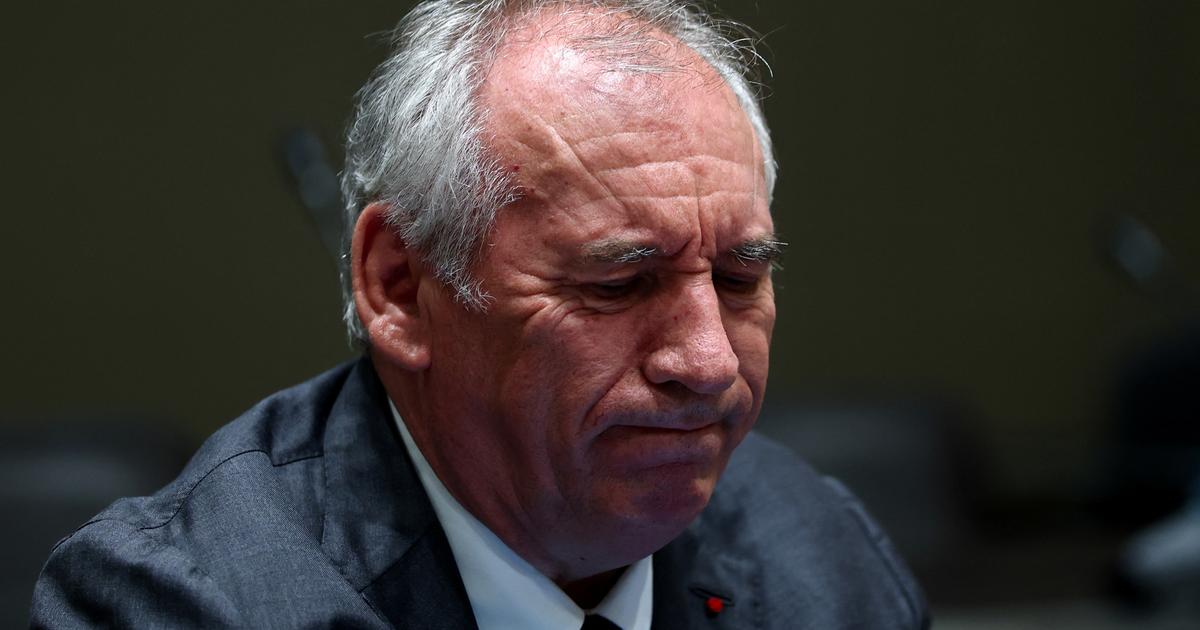
In recent discussions, French Prime Minister François Bayrou has taken a firm stance on the pressing issue of the country’s budgetary management. With the Court of Accounts raising alarms about the state of the Social Security accounts, it’s clear that the need for fiscal responsibility is more critical than ever. Bayrou has expressed a desire to regain control over public spending and hopes for the support of citizens as he unveils his budgetary plan in the weeks to come.
Alerting the Nation: A Wake-Up Call
As the nation grapples with increasing warnings about its financial health, Prime Minister Bayrou’s message is clear. His proposition to reduce public spending must be taken seriously. The call for action is not just a political maneuver but rather a necessity to ensure that the public finances can be managed effectively. The prime minister emphasized this during a recent appearance on RMC-BFMTV, where he stated his commitment to control spending more effectively.
Bayrou’s optimism shines through despite the turbulence in the economic landscape. He discusses the successful partnership approach he plans to adopt, particularly in contexts like healthcare transportation, where protests have recently emerged due to budget constraints affecting taxi services. His assertion that discussions with taxi services could lead to significant savings reflects his belief in collaborative approaches to problem-solving.
The Challenge of Public Spending
One of the most daunting tasks facing Bayrou is tackling what he referred to as the "Himalaya" of public spending. This phrase encapsulates the overwhelming scale of financial obligations that the French government grapples with. Bayrou has vowed to take actionable steps to recalibrate the country’s finances, and he acknowledges that everyone in France must contribute to this effort.
The commitment to present a balanced plan is another key aspect of Bayrou’s approach. He aims for this initiative to be transparent, signalling his responsiveness to citizens’ needs. Transparency in the budgeting process will empower citizens to understand how their money is being spent and what sacrifices might be necessary moving forward.
Timeline of Budgetary Plans
In an unprecedented move, Bayrou has indicated that he will present the budgetary plan before July 14, breaking the conventional timeline of releasing budget details in September. This proactive approach signals not only urgency but also a desire to engage the public in discussions about the country’s fiscal health. The prime minister’s insistence on early engagement is intended to galvanize national discourse around financial responsibility.
A Shared Responsibility
At the heart of the prime minister’s message is a call for collective accountability among the citizens of France. "I seek the awareness of the French people," he has stated, emphasizing the notion that budgetary health is not solely the government’s responsibility but one that requires shared commitment. With public debt soaring to 113% of GDP and deficits hitting 5.8%, this collaborative spirit is crucial for navigating the financial obstacles ahead.
The Prime Minister’s rhetoric serves as a robust reminder that the country must not exceed its growth capacity in terms of spending. He argues that reducing expenditures is not merely an economic necessity but a moral obligation to safeguard the future of the nation.
Conclusion
Bayrou’s commitment to a comprehensive, balanced, and transparent budgetary plan reflects a turning point in France’s fiscal policies. As the country braces for reforms that may include sacrifices from all citizens, the emphasis on dialogue and collaboration will be pivotal. The Prime Minister’s proactive stance and dedication to discussing these matters openly signal a new chapter in managing France’s economic sustainability.
Le premier ministre compte présenter un plan budgétaire avant le 14 juillet prochain, «de manière transparente».