
The Future of the French Left: Unity or Division?
In the current political landscape of France, the 2027 presidential election is shaping up to be a significant milestone. With just two years to go, various factions within the political spectrum are ramping up their ambitions. This article explores the dynamics of the left and the growing calls for unity among progressive forces.
The Landscape of Ambitions
As we approach the presidential elections, the competition has intensified particularly within the central bloc. Key figures such as Édouard Philippe, Gabriel Attal, and Gérald Darmanin vie for the top spot. Meanwhile, the Rassemblement National (RN) faces uncertainty regarding who will lead their campaign. The party’s internal confusion raises questions about whether it will be Marine Le Pen or Jordan Bardella who carries the RN’s banner in 2027.
In contrast, left-wing factions find themselves grappling with a different set of challenges. The primary objective among these groups is to unite their forces. This is not an easy task, especially considering that the left has not qualified for the second round of a presidential election since 2012, when Nicolas Sarkozy of the UMP faced François Hollande from the Socialist Party.
The Call for a Primary
Recently, François Ruffin, an ex-Insoumis member of parliament, proposed organizing a large-scale primary for left-wing candidates, suggesting a broad coalition from "Poutou to Hollande." This proposition has sparked considerable discussion among political players on the left.
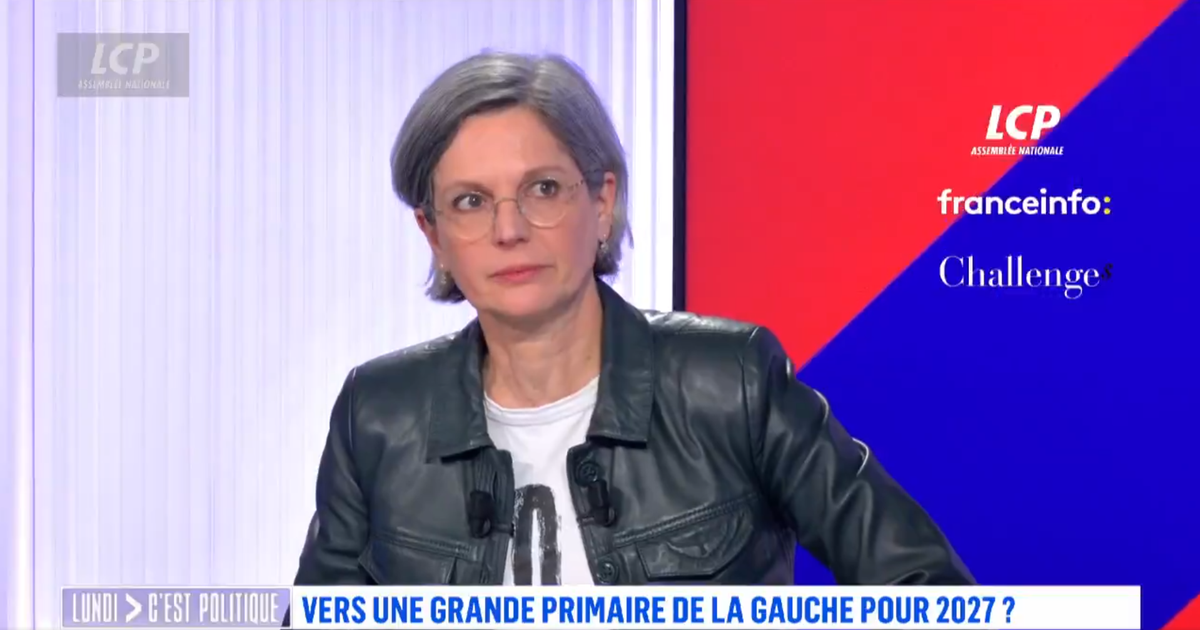
Sandrine Rousseau, an eco-feminist MP, has shown interest in participating in a primary if organized. During her appearance on LCP, she stated that she would "think about it." Rousseau has past experience with primaries, having narrowly lost the EELV primary to Yannick Jadot in 2021. She emphasizes the need for an inclusive approach in any future primary, advocating for "as many candidacies as possible."
A Democratic Approach to Unity
Rousseau’s vision for a primary is steeped in democratic values. She insists, "I do not want it to be a show of strength or a conclave, but a democratic debate that also engages with left-wing issues." This reflects a commitment to inclusivity and meaningful dialogue, vital for fostering unity in a fragmented landscape.
The Urgency of Unity
As the next presidential election looms closer, Rousseau highlights the pressing need for a united front on the left. She claims, "There is no other solution" than a primary. Polls currently indicate that a dispersed left could be eliminated in the first round of voting. "We do not agree on some programmatic aspects, that’s for sure. But what has emerged post-dissolution is a united left that acknowledges our differences," she states.
Rousseau references the coalition known as the Nouveau Front Populaire, which brought together socialists, Insoumis, ecologists, and communists during the 2024 legislative elections as a model for what a united left could achieve.
Opposition from the La France Insoumise
However, the path toward unity is fraught with obstacles. The coordinator of La France Insoumise, Manuel Bompard, has rejected the idea of his movement participating in a left primary. This stance is echoed by Raphaël Gluckmann, an MEP with the Place publique party, further complicating the prospect of left-wing collaboration.
Despite this resistance, Rousseau remains steadfast in her belief that a primary is essential. "It’s a primary we must embrace and accept the outcome of," she asserts. This commitment speaks to her determination to galvanize left-wing voters and rekindle their hopes for the upcoming elections.
The Challenges Ahead
Looking ahead, the left must confront not only internal divisions but also external challenges. The rise of right-wing populism in France complicates the political climate, demanding a coherent and robust response from the left. The task of uniting diverse factions under a common agenda while respecting their distinct identities is monumental yet absolutely necessary.
While ambitions soar within various camps, ranging from centrists to the far-right, the left’s survival hinges on its ability to present a united front. The upcoming elections pose a profound challenge and an opportunity for renewal among those who seek progressive change.
The Final Word
In the world of politics, timing is often everything. The 2027 presidential election is not merely an electoral event but a chance for left-wing forces to reclaim their relevance. As conversations around a primary gain momentum, leaders must transcend their differences and focus on larger goals of unity and progress.
Invitée lundi soir de LCP, la députée écologiste juge qu’«il n’y a pas d’autre solution» qu’un processus de départage à gauche pour unir son camp dès le premier tour de la présidentielle.