
A Look into Recent Agricultural Protests in France
Introduction to the Protests
On May 26, 2025, a small yet significant protest took place in front of the French National Assembly. Organized by the National Federation of Agricultural Trade Unions (FNSEA) alongside Young Farmers, this event aimed to highlight critical issues impacting the agricultural sector. Despite the modest presence of tractors, the gathering served as a crucial reminder of the ongoing struggles faced by farmers in France.
The Gathering: Purpose and Participants
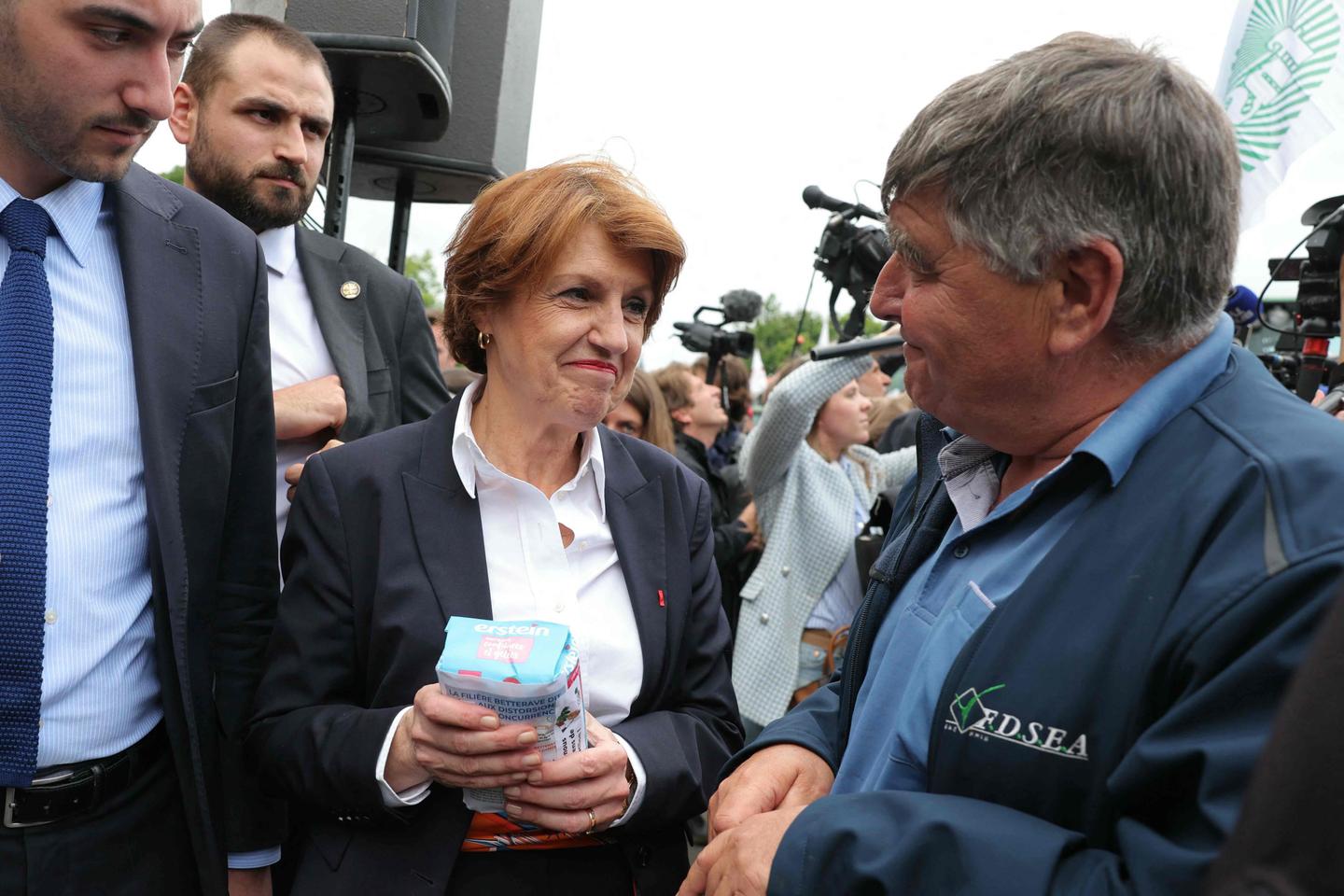
The protest, characterized by fewer than ten tractors from the Yvelines region and around a hundred farmers, may not have appeared extensive. However, this was not a demonstration of sheer force but rather a strategic gathering to prompt legislative change. Annie Genevard, the Minister of Agriculture, made a notable appearance at the protest, demonstrating the importance of farmer concerns in the political arena.
Ministerial Support for Farmers
During her visit to the protest site, Minister Genevard met with the farmers, indicating her openness to direct communication with the constituents of her ministry. The Minister’s presence alongside Interior Minister Bruno Retailleau underscored the seriousness of the agricultural issues at hand. Shortly after engaging with the farmers, she proceeded to address the National Assembly, emphasizing her support for a motion aiming to reject a proposed law that could impose further constraints on farmers’ operations.
Legislative Maneuvers
Genevard’s approach was particularly striking as it involved supporting a motion against her own coalition’s proposal. The motion, put forth by Julien Dive, served to fast-track the agricultural legislation to a mixed parliamentary commission without public debate. This unprecedented move drew attention to the complexities of agricultural legislation and the political landscapes surrounding it. Interestingly, the tactic received bipartisan support, spanning from the center to the far right.
The FNSEA’s Response
Despite the initial plans to sustain the tractor blockade until the end of the week, the FNSEA quickly recognized the effectiveness of their efforts. Hervé Lapie, the federation’s Secretary-General, indicated that the satisfaction with the motion’s approval validated their advocacy work. "We are lifting the blockade," he announced, expressing optimism regarding the upcoming legislative process.
This scenario underscores the FNSEA’s ability to mobilize resources efficiently to make their voices heard. Lapie noted the success of their direct engagement with deputies, marking the protest as a significant victory within their ongoing campaign to influence agricultural policy.
Challenges Ahead
While the protest may have concluded successfully, substantial challenges lie on the horizon. The legislative process will still require navigating complex political dynamics and ensuring that farmers’ voices remain relevant in discussions. The ongoing push for reforms signifies an adaptive agricultural community ready to respond to evolving challenges.
Conclusion: A Call for Ongoing Dialogue
The May 26 protest serves as a pivotal point in French agricultural policy discussions. It not only demonstrated the resilience of farmers but also highlighted the importance of engagement between lawmakers and those directly affected by their decisions. As the agricultural community gears up for potential future protests or support actions, the call for ongoing dialogue remains critical.
As the FNSEA and Young Farmers continue their efforts to advocate for viable agricultural practices, the events of this protest encapsulate the broader struggles and triumphs of farmers in France. Moving forward, it is essential to maintain an active dialogue between all parties involved to ensure that agricultural policies are sustainable and in line with the needs of farmers.

Moins de dix tracteurs venus des Yvelines et une centaine d’agriculteurs. La manifestation organisée par la Fédération nationale des syndicats d’exploitants agricoles et les Jeunes Agriculteurs, devant l’Assemblée nationale, lundi 26 mai, n’avait rien d’une démonstration de force. Mais elle a suffi à plier le match. La ministre de l’agriculture, Annie Genevard, a d’ailleurs fait le détour, côté Seine, accompagnée du ministre de l’intérieur, Bruno Retailleau, pour rencontrer ce petit groupe syndical, avant d’entrer dans l’Hémicycle peu après 16 heures.
Devant les députés présents, elle a soutenu la motion de rejet du projet de loi « visant à lever les contraintes au métier d’agriculteur » déposée par son propre rapporteur, Julien Dive (Aisne, Les Républicains). Cette manœuvre, inédite à l’Assemblée nationale, avait pour but d’envoyer directement le texte en commission mixte paritaire (CMP), sans débat en séance publique. Une tactique finalement approuvée par une majorité de députés, du centre jusqu’à l’extrême droite.
La FNSEA, qui avait prévu une relève de tracteurs jusqu’à mercredi pour manifester devant le Palais-Bourbon, n’aura donc pas besoin de mobiliser ses bataillons. « Nous levons le dispositif, affirme Hervé Lapie, secrétaire général de la fédération. Le vote de la motion de rejet, que la FNSEA a porté, est une satisfaction par rapport à l’obstruction menée par La France insoumise et les Ecologistes. Le travail de notre réseau auprès de chaque député a été efficace. C’est un premier combat réussi. Il faut maintenant aller chercher la CMP pour faire aboutir le texte. »
Il vous reste 63.92% de cet article à lire. La suite est réservée aux abonnés.