
New Migration Law Proposal: Key Changes and Implications
In recent developments, Germany’s Interior Minister, Alexander Dobrindt, has initiated significant changes aimed at controlling migration in the country. As part of his agenda, he has announced a draft law that seeks to limit family reunifications, especially for those with subsidiary protection status. This proposal comes as part of a larger strategy to strengthen border control measures and streamline the immigration process.
The Urgency of the Law Proposal
The new administration is keen on addressing migration issues promptly, and the proposal is set to be presented during an upcoming cabinet meeting on Wednesday. According to the draft, the term "regulation" in the Residence Act will be expanded to include "limitation." The anticipated changes are designed to manage the influx of migrants effectively, reflecting the government’s intention to curb migration at a federal level.
Details of the Family Reunification Suspension
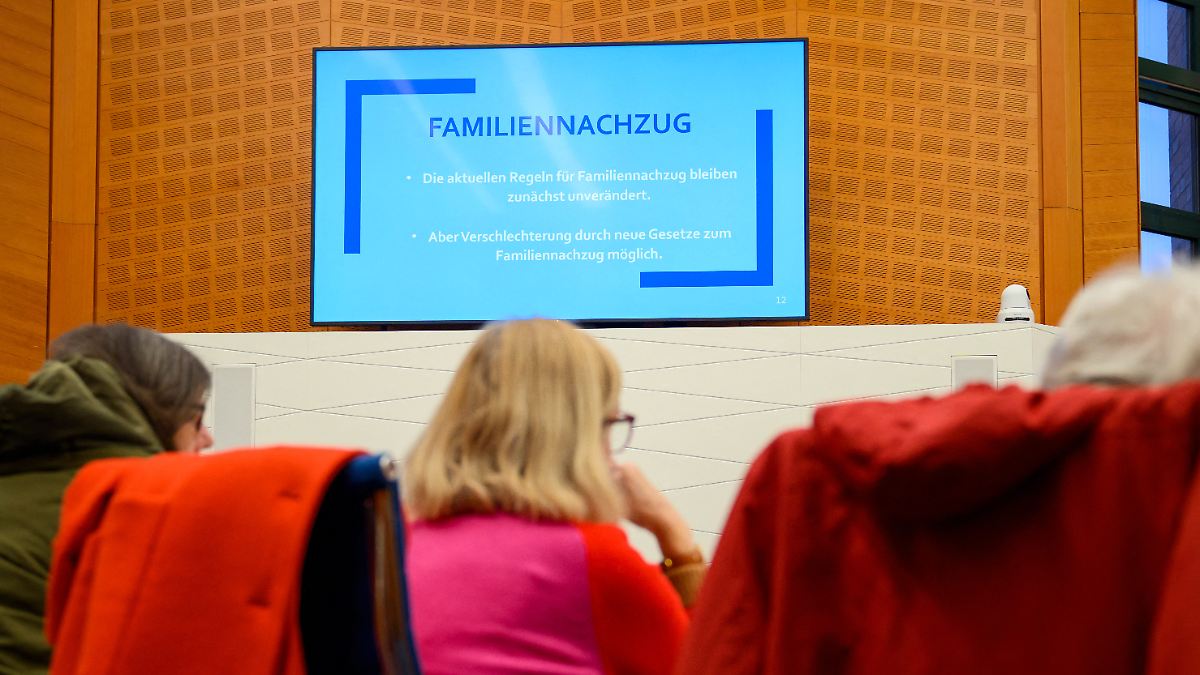
One of the primary aspects of the proposed law is the temporary suspension of family reunifications for those holding subsidiary protection status. Currently, there are over 350,000 individuals, mainly Syrians, who fall under this category. Historically, around 12,000 family members have been allowed to join their relatives in Germany annually, predominantly consisting of spouses and children. The new law, however, aims to suspend this process for a minimum of two years.
In the Minister’s statement, it was emphasized that the temporary halt on family reunifications serves to alleviate the strain on Germany’s integration and reception systems. Unlike refugees and those granted asylum, individuals with subsidiary protection do not possess the same rights, giving the government more flexibility in decision-making. This measure is described as a suitable solution to provide quick relief to local municipalities burdened with high numbers of migrants.
Strategic Legislative Approach
The draft legislation is categorized as a formulation aid for the Bundestag, indicating that it will be expedited through discussions among the governing coalition, which includes the Union and SPD parties. The strategic approach aims to hasten the legislative process, ensuring that new measures can be in place as soon as possible. As such, the law is not only critical for managing current migration flows but also pivotal in shaping the future of German immigration policy.
Political Landscape and Public Response
Dobrindt’s proposal has been met with mixed reactions. While some view the changes as necessary to maintain order and control in the immigration system, others argue that it may adversely affect families who are already facing difficulties due to displacement and conflict. In an interview with "Bild" newspaper, Dobrindt stated, "Previously, 1,000 individuals per month were allowed to migrate to Germany. That is now over." His insistence on enforcing stricter border controls highlights a shift in policy focus toward more comprehensive measures to manage migration effectively.
Implications for Migrants and Refugees
The implications of this draft law extend beyond mere policy changes; they resonate deeply with the lives of those affected. For many families, the ability to reunite is not just a matter of legal status but of emotional connection and support. The suspension of family reunifications, especially for those with subsidiary protection, raises questions about the humanitarian aspect of migration policy. Critics of the bill highlight the potential strain on social services and the psychological impact on individuals waiting to reunite with their loved ones.
Conclusion
As discussions surrounding the new migration law unfold, it is crucial to monitor its impact, both on local communities and on the lives of migrants. The balance between secure borders and humanitarian obligations remains a delicate subject that policymakers must navigate carefully. The urgency behind the proposed changes illustrates the government’s commitment to regulating migration, but it also presents complex challenges that require ongoing dialogue and consideration.
Dobrindt will schnelle Änderung
Das steht im Gesetzesentwurf zur Begrenzung der Migration
26.05.2025, 18:54 Uhr
Artikel anhören
Diese Audioversion wurde künstlich generiert. Mehr Infos
Innenminister Dobrindt kündigt zum Amtsantritt verschärfte Grenzkontrollen und eine Reduzierung an Migranten an. Jetzt lässt er Taten folgen. Noch in dieser Woche soll ein Gesetzesentwurf vorgelegt werden, mit dem der Familiennachzug rasch ausgesetzt werden könnte.
Die neue Bundesregierung will in ihrem ersten Gesetzesbeschluss die Begrenzung der Migration verankern. Im Aufenthaltsgesetz solle daher die “Steuerung” mit der neuen Angabe “und Begrenzung” versehen werden, wie aus einem Entwurf hervorgeht. Die Regierung will ihn am Mittwoch im Kabinett beschließen.
Verankert ist zudem die Aussetzung des Familiennachzugs von zunächst zwei Jahren für sogenannte “subsidiär Schutzberechtigte”, also Menschen, die keinen vollen Flüchtlingsstatus haben. Aktuell sind dies über 350.000 Menschen, vor allem Syrer. Bislang konnten jährlich 12.000 Angehörige nachziehen, in erster Linie Ehepartner und Kinder.
“Die vorübergehende Aussetzung des Familiennachzugs zu subsidiär Schutzberechtigten dient der Entlastung der Aufnahme- und Integrationssysteme der Bundesrepublik Deutschland”, heißt es weiter. Anders als bei Flüchtlingen und Asylberechtigten habe der Gesetzgeber hier mehr Spielraum. “Die Maßnahme, den Familiennachzug zu subsidiär Schutzberechtigten vorübergehend auszusetzen, ist daher für eine rasche Entlastung der Kommunen ein geeignetes Mittel.” Man trage damit auch dem öffentlichen Interesse an einer kontrollierten Migrationspolitik Rechnung.
Gesetz soll schnell beschlossen werden
Der Entwurf ist eine sogenannte Formulierungshilfe für den Bundestag. Der Gesetzentwurf soll also durch Union und SPD aus dem Bundestag heraus auf den Weg gebracht werden, was das Verfahren noch einmal beschleunigt.
In der “Bild”-Zeitung hatte Innenminister Alexander Dobrindt bereits angekündigt, das Gesetz am Mittwoch im Kabinett beschließen zu wollen. “Bisher konnten 1000 Personen pro Monat nach Deutschland nachgezogen werden. Damit ist jetzt Schluss”, sagte Dobrindt. Der CSU-Politiker hatte bereits kurz nach Amtsantritt verschärfte Grenzkontrollen und auch die Zurückweisung von Asylbewerbern angeordnet.