
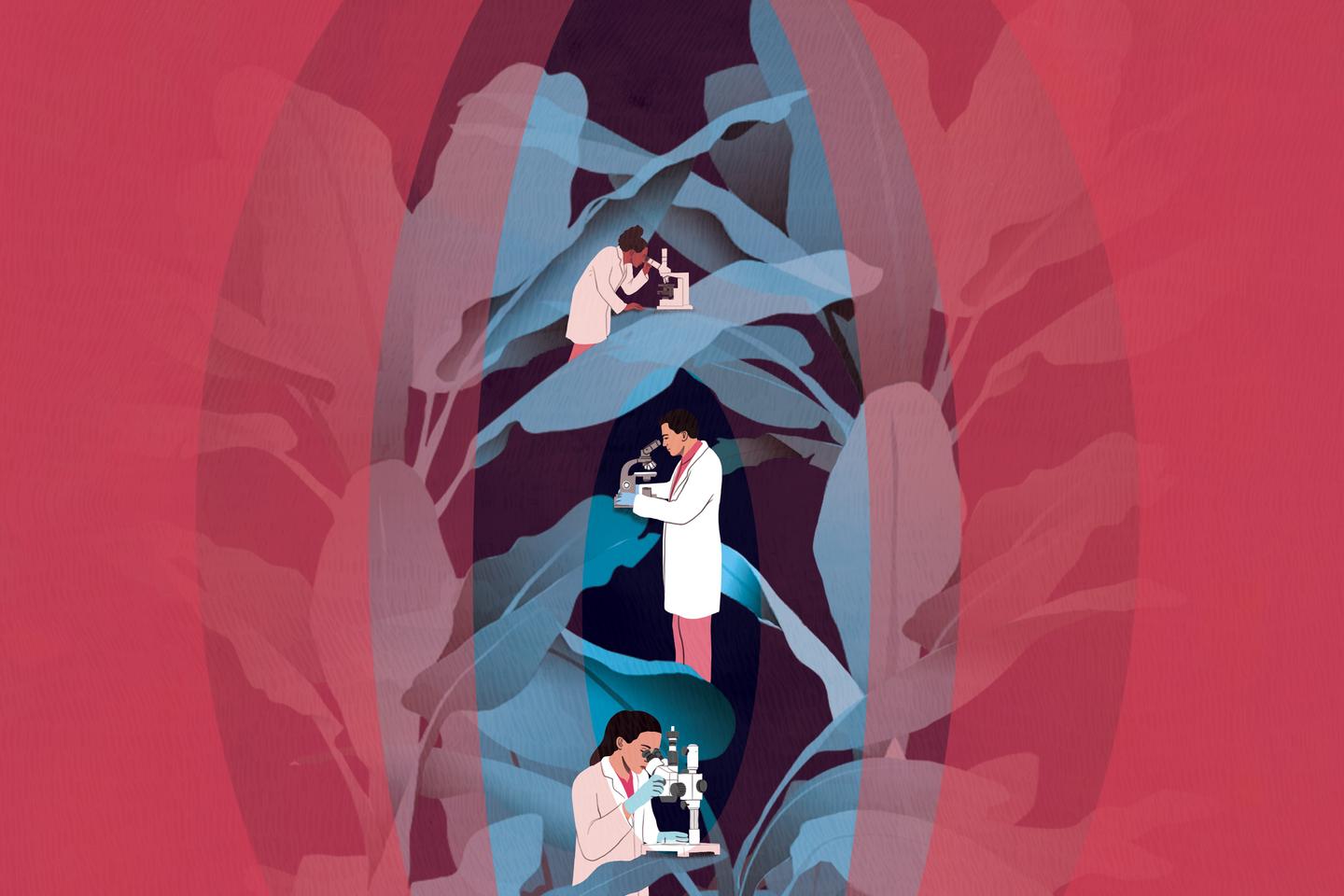
Understanding the Vital Role of the Vaginal Microbiome
The vaginal microbiome is an essential aspect of women’s health that has historically been overlooked in comparison to its counterpart, the gut microbiome. As awareness regarding the importance of gut health and its myriad interactions with different diseases increases, the vaginal microbiome remains largely shrouded in mystery. This article aims to shed light on the significance of the vaginal microbiome, the current state of research, and its implications for women’s health.
The Composition of the Vaginal Microbiome
The vaginal microbiome consists primarily of lactobacilli, beneficial bacteria that help maintain an optimal pH level and prevent the overgrowth of harmful pathogens. In healthy women, these Lactobacillus species dominate the microbiome, creating an environment that is both welcoming and protective. Interestingly, the vaginal microbiome accounts for approximately 9% of the human microbiome, which also includes oral, skin, and respiratory microbiomes.
Research indicates that a balanced vaginal microbiome is crucial for overall urogenital health. The presence of beneficial bacteria helps to fend off sexually transmitted infections, reduces the risk of yeast infections, and plays a role in maintaining fertility. However, when this balance is disrupted, it can lead to a range of health issues, underscoring the need for increased understanding and awareness.
Current State of Research
Despite the significance of the vaginal microbiome, scientific exploration remains limited. As of 2024, research databases such as Web of Science have recorded around 3,400 articles focused on the vaginal microbiome, in stark contrast to over 110,000 articles related to the gut microbiome. This discrepancy highlights a significant gap in knowledge driven by historical stigma and reticence surrounding women’s reproductive health.
The lack of attention and investment in this area is not only a reflection of societal norms but also a matter of careless bias in research. The under-representation of female health in scientific studies has impeded progress and understanding of the important nuances of the vaginal microbiome.
Health Implications of the Vaginal Microbiome
Researchers have emphasized the strong connections between the vaginal microbiome and various aspects of health. As mentioned by Samuel Alizon, a CNRS research director, and Jeanne Tamarelle, a researcher from the University of Lausanne, the links between vaginal microbiome, sexually transmitted infections, fertility, and general well-being are profound.
For example, in women with a disrupted vaginal microbiome, the risk of infections, reproductive complications, and mental health concerns can significantly increase. Therefore, understanding and maintaining a healthy vaginal microbiome is vital for women’s health. Furthermore, when researchers advocate for better understanding and treatment options, they also stress the importance of developing strategies that avoid excessive pathologization.
Developing Better Preventative Approaches
Moving forward, researchers call for a dual focus: enhancing public awareness about vaginal health while simultaneously promoting scientific research. As stated in a collaborative article by Alizon and Tamarelle in Médecine/Sciences, there is a pressing need to develop preventive measures and care approaches that are informed by rigorous scientific inquiry.
Many women, including Tamarelle, face challenges due to the lack of comprehensive scientific literature on the vaginal microbiome. The result is often limited therapeutic options for women grappling with issues linked to their microbiome, from infections to imbalances and beyond. This lack of resources calls for a shift in focus within the scientific community, moving towards inclusivity in research that appropriately represents female health.
Conclusion: Bridging the Knowledge Gap
As we venture deeper into the understanding of human microbiomes, it’s crucial to bring more attention to the vaginal microbiome. Female health deserves equal representation in scientific research, and addressing taboos surrounding genital health is essential for progress. The journey towards better understanding and treatment options for the vaginal microbiome is only just beginning, but increased awareness can aid in bridging the knowledge gap between the vaginal and gut microbiomes.
There is no doubt that the vaginal microbiome is vital to overall health, making it imperative for research to evolve and adapt to meet the needs of women today. The implications of this work will pave the way for future generations to benefit from a deeper understanding of their bodies.

The vaginal microbiome is essential for reproductive health and requires further research to enhance our understanding and care strategies.