
The Intricacies of Privacy Laws in Urban Settings
In today’s urban environments, the intersection of technology and personal privacy is a growing concern. With the advent of smart devices and surveillance technology, individuals are increasingly exposed to potential intrusions. Recent incidents raise significant questions about the boundaries of privacy and the responsibility of individuals regarding the use of recording devices.
Case Study: A Disturbing Incident in Fatih
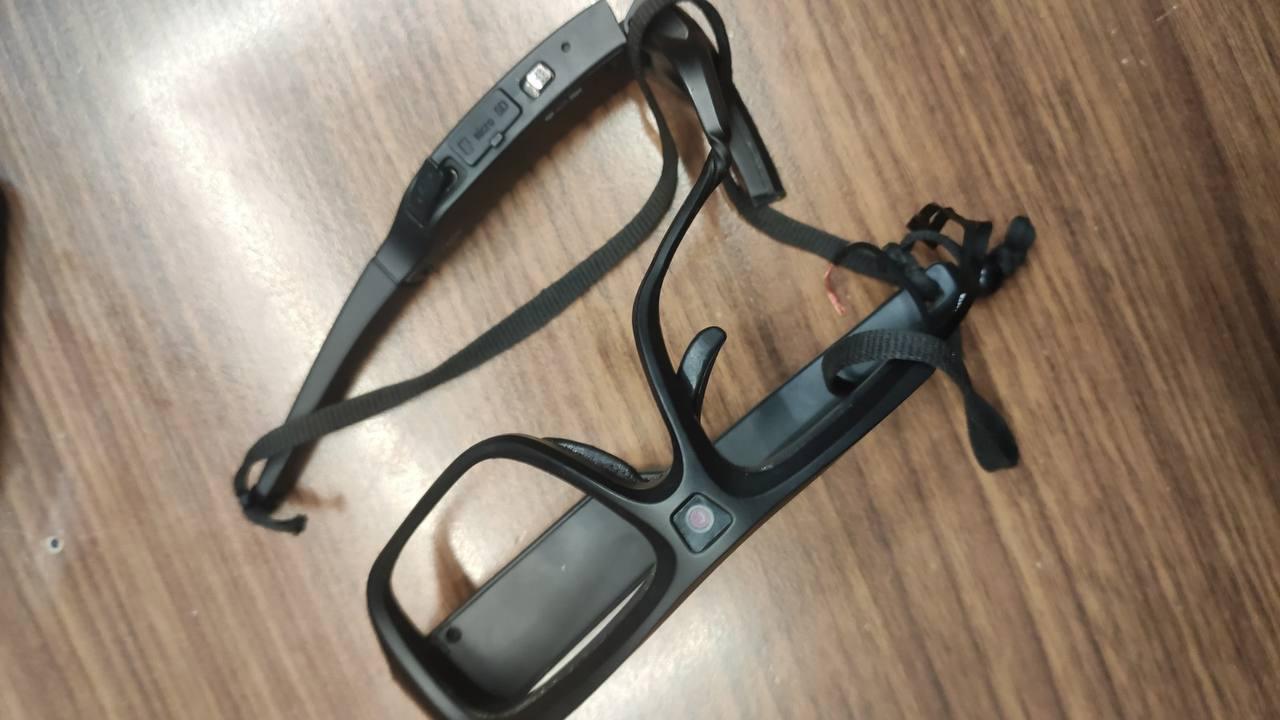
On May 22, an alarming event unfolded in the Fatih district of Istanbul, where a 77-year-old man, identified as H.E., was reportedly using camera glasses to record women in public. This incident not only highlights the potential misuse of technology but also underscores the pressing need for effective privacy legislation. Witnesses alerting the police indicate a communal vigilance that is often necessary in safeguarding personal boundaries, especially in closely-knit neighborhoods.
Upon noticing the police presence, H.E. attempted to destroy the evidence by throwing his glasses to the ground. Such actions reflect a conscious awareness of wrongdoing, yet they also probe deeper into human behavior when confronted by authority. This nimble response raises a crucial question: How do individuals navigate moments of potential confrontation with law enforcement?
Legal Framework Surrounding Privacy Violations
It’s essential to understand the legal landscape surrounding incidents such as this. The Turkish Penal Code delineates penalties for crimes against personal privacy, notably under Article 134, which addresses the violation of private life. However, the enforcement of such laws can be inconsistent, often reliant on contextual interpretations by law enforcement and judicial bodies.
In H.E.’s instance, he was taken into custody under the charge of violating personal privacy. After a thorough examination of the evidence, he was released by the judicial authorities. This development raises pertinent issues regarding the effectiveness of existing privacy laws and their enforcement. Can we ensure that laws designed to protect individuals are adequately applied, providing a layer of security in public spaces?
Public Responses and Social Media Reactions
Public opinion is a powerful force that can influence the trajectory of legislative change. Following the news of H.E.’s actions, many took to social media platforms to voice their outrage. The incident has sparked discussions about the balance between technology and personal freedom, prompting many to advocate for stronger protective measures against such violations.
Transformative movements often arise from these community conversations. The demand for greater accountability in the use of technology in public spaces is not merely a reactionary stance; it’s an essential practice for upholding the values of respect and dignity inherent in every individual’s life.
Implications for Future Legislation
With the digital landscape evolving rapidly, the necessity for forward-thinking policies is paramount. Policymakers must consider the implications of new technologies and their potential for abuse. The intrusive capabilities of wearable recording devices such as camera glasses necessitate regulations that not only protect privacy but also educate the public about ethical usage.
A crucial step forward could involve mandatory awareness campaigns aimed at both consumers and manufacturers of such technologies. Engaging the public in discussions about privacy rights can foster a culture of respect for personal boundaries, paving the way for more responsible technological advancements that consider human dignity.
Community Vigilance and Reporting Mechanisms
In light of these recent events, community vigilance becomes an indispensable tool in combating privacy violations. Encouraging citizens to report suspicious activity can empower local ecosystems to uphold standards of decency and respect. However, this also brings to light the challenges of potential misreporting or the risk of vigilantism.
To mitigate these risks, communities should establish reliable channels for reporting incidents. The introduction of simple, anonymous reporting mechanisms could ease the burden on individuals hesitant to report violations. Collaboration between community members and law enforcement can establish a trusting relationship, ultimately strengthening community ties while ensuring safety.
The Road Ahead: Balancing Privacy and Technology
As technology continues to evolve, maintaining a delicate balance between innovation and personal privacy becomes increasingly critical. The Fatih incident stands as a glaring reminder of the importance of this balance. It reinforces the necessity for ongoing conversations, legislative improvements, and community engagement.
To forge ahead, society must unite in addressing the challenges posed by advancing technologies, advocating for legislation that reflects contemporary realities and cultural values. Only through collective action can we engender a safer environment where every individual’s right to personal privacy is respected and upheld.
Baran AKKAYA /İSTANBUL,(DHA) – FATİH’te kameralı gözlük takarak sokaktaki kadınları kayda aldığı iddia edilen 77 yaşındaki H.E. isimli şüpheli, karşısında polisi görünce gözlüğü yere atarak kırmaya çalıştı. Gözaltına alınan şüpheli, çıkarıldığı mahkemece serbest bırakıldı.
Olay 22 Mayıs günü saat 19.30 sıralarında meydana geldi. Rüstempaşa Mahallesi’nde şüpheli bir kişinin kameralı gözlük takarak sokaktaki kadınları kayda aldığı iddiası üzerine polis ekipleri harekete geçti. Polis ekiplerini karşısında gören şüpheli, gözlüğü yere atarak üzerine basıp, kırmaya çalıştı. Gözaltına alınan şüphelinin isminin H.E. olduğu belirlendi. Emniyetteki işlemleri tamamlanan şüpheli, ‘Özel hayatın gizliliğinin ihlali’ suçlaması ile dosyası ikmalen gönderilmek üzere çıkarıldığı adli makamlarca serbest bırakıldı. (DHA)