
The Growing Concern of Hate Speech in Comedy
In recent years, the landscape of comedy has evolved dramatically. What was once viewed as harmless humor has increasingly come under scrutiny. The rise of social media has amplified voices, leading to a sharper focus on the messages comedians convey. This phenomenon has resulted in heated debates about freedom of speech, societal norms, and ethical responsibility.
The Incident In Focus
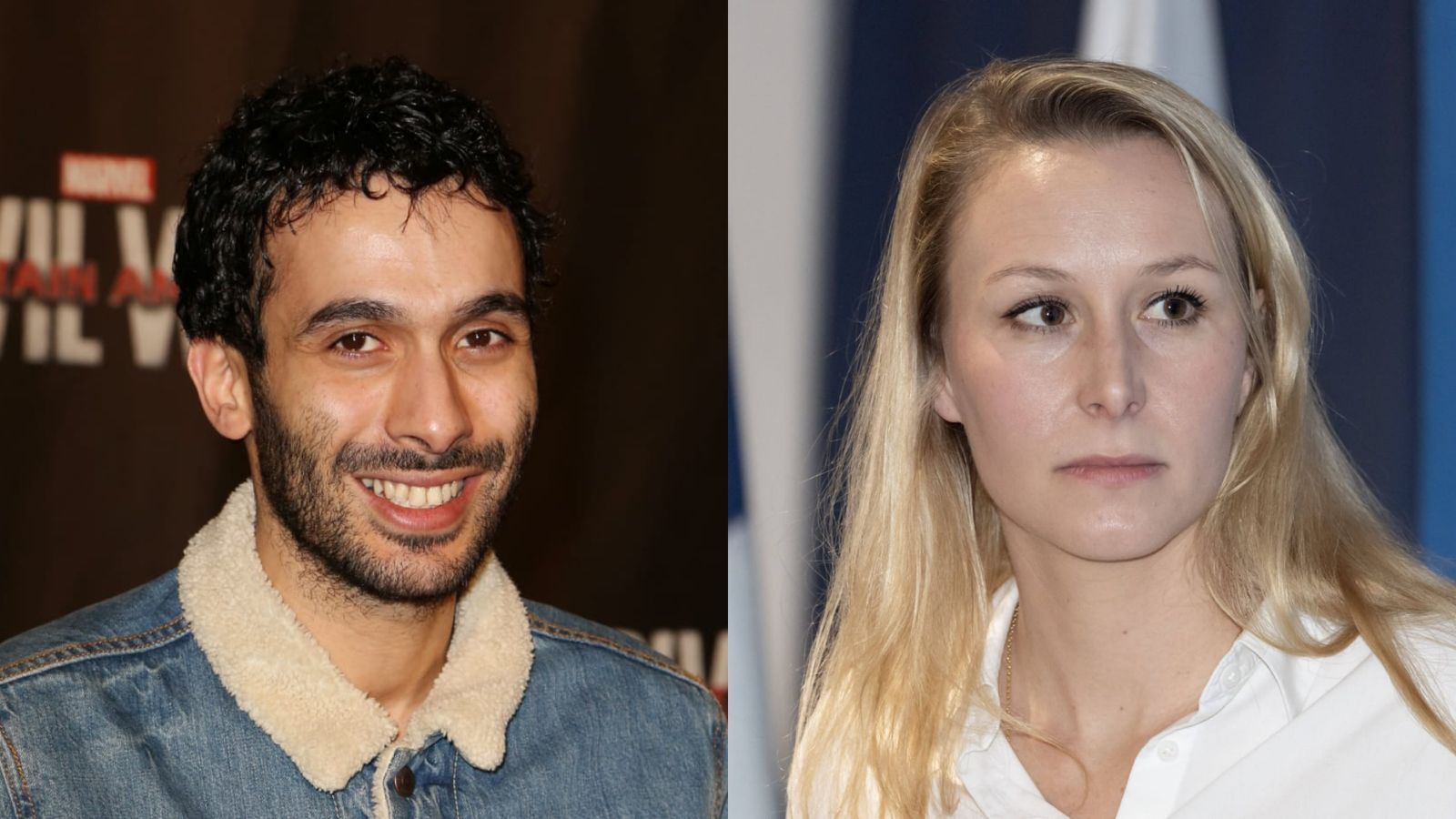
A recent incident that has sparked significant public discourse features the comedian Mustapha El Atrassi. During a performance, he encouraged audience members to shift their focus away from insulting each other based on national lines, specifically between Moroccans and Algerians. Instead, he urged them to direct their animosity toward a different group, referring to them as “gwers,” a derogatory term for people of white descent. His comments were met with applause and laughter from some audience members, raising questions about the implications of using humor to promote division.
The Backlash
The remarks from El Atrassi quickly garnered attention on social media. Critics argue that the comedian’s comments exemplify a double standard in the comedy world, where jokes targeting certain ethnicities can be perceived as humorous, while others are viewed as unacceptable. Marion Maréchal, a prominent political figure, announced her intention to bring the incident before legal authorities, citing hate speech laws. Her reaction symbolizes a growing recognition that comedy is not exempt from societal accountability.
Understanding the Impact of Words
The debate surrounding El Atrassi’s comments extends beyond mere entertainment; it encapsulates profound social issues. Language can shape perceptions, influence attitudes, and reinforce stereotypes. The ease with which certain groups can become targets of humor exposes the fragility of societal cohesion. El Atrassi’s comments suggest a divisive mentality that could further polarize communities, disrupting the fabric of multicultural interaction.
Comedy as a Reflective Medium
Comedy often acts as a reflection of societal issues, and comedians can serve as social commentators. However, this balance can easily tip into territory that risks promoting division rather than unity. El Atrassi’s remarks raise essential questions: Where do we draw the line? How should comedians navigate cultural sensitivities? The answers are critical for the future of responsible humor.
The Role of the Audience
The audience plays an integral role in the evolution of comedy. Their reactions can either validate or challenge a comedian’s approach. In the case of El Atrassi, laughter from the crowd indicates a tacit acceptance of his remarks, complicating notions of who is held accountable for harmful rhetoric. The laughter can inadvertently become a stamp of approval, fostering an environment where such remarks are normalized.
Cultural Sensitivity and Humor
Cultural sensitivity in comedy is an essential topic of discussion. Understanding diverse cultural backgrounds can help comedians craft their material responsibly. When humor crosses the line into derision, it can alienate rather than entertain. El Atrassi’s comments illuminate a larger conversation about the obligation comedians have to consider the potential ramifications of their jokes.
Moreover, the context in which humor is delivered matters. As societies grapple with racism, intolerance, and other forms of discrimination, audiences are increasingly aware of the subtleties embedded in comedic performances. Portraying one group as inferior through the lens of comedy risks negating progress toward an inclusive society.
Legal and Ethical Implications
The conversation surrounding El Atrassi’s remarks has revived discussions regarding legal frameworks governing hate speech. Free speech and artistic expression offer protection, but this freedom is not absolute. The challenge lies in defining hate speech and distinguishing it from artistic commentary. Calls from figures like Maréchal for legal action imply that society feels a sense of urgency in addressing harmful speech, even when veiled as humor.
Engaging in Constructive Dialogue
In addressing such issues, it is vital for all stakeholders to engage in constructive discourse. Instead of perpetuating a cycle of cancellation, there’s a need for conversations that allow for reflection and learning. Comedians, industry professionals, and audiences must collaborate to understand the intricacies of language and its potential consequences on community relations.
Conclusion
The recent incident involving Mustapha El Atrassi serves as a watershed moment for the comedy world and societal norms. As public figures navigate the complexities of humor, it’s essential to remain cognizant of the impact words can have on societal unity. By fostering a deeper understanding of each other, cultures can move toward a more inclusive future.
Une séquence que Marion Maréchal ne laisse pas passer. Sur X, ce dimanche 25 mai, la présidente du parti Identité-Libertés a annoncé saisir le procureur de la République sur la base de l’article 40 pour « incitation à la haine ». Dans son viseur : les propos tenus par Mustapha El Atrassi, invitant les Marocains et les Algériens à insulter les « gwers ». « Sous les ovations de la salle, “l’humoriste” affiche son racisme antiblanc (pardon, anti-gwer…) totalement décomplexé », s’est agacée l’eurodéputée ECR.