
markdown
War in Gaza
Friedrich Merz Criticizes Israel’s Actions Sharply
The ongoing war in Gaza has sparked moral outrage and political turmoil not just in Israel and Palestine, but also within European countries including Germany . Recent remarks by German politicians highlight a growing discomfort regarding the Israeli government’s military actions and their implications for human rights and international law . This has culminated in increased scrutiny of Germany’s continued arms exports to Israel amidst accusations of potential war crimes .
As the conflict persists, the situation in Gaza continues to deteriorate, with international humanitarian organizations expressing grave concerns about the impact on civilians. The Social Democratic Party (SPD) in Germany argues that the country could be complicit in these alleged war crimes by continuing to supply weapons to Israel. The SPD has called for an immediate halt to arms shipments, emphasizing that German weapons should not contribute to humanitarian disasters or violations of international law . Their foreign policy spokesperson, Adis Ahmetovic, stated, “German weapons must not be used for spreading humanitarian catastrophes.”
### Humanitarian Crisis in Gaza
The humanitarian situation in Gaza is pressing and alarming. Former Israeli Prime Minister Ehud Olmert has openly labeled the current offensive as a potential war crime . Demonstrators in Tel Aviv have urged the Israeli government to cease military actions, thereby ending what many term a nightmare for the civilians caught in the crossfire.
This increasing scrutiny of Israel’s military actions comes as the German government faces mounting pressure domestically. Previously, Berlin’s posture was one of observation, characterized by calls for more humanitarian aid while still allowing arms exports to Israel. Critics assert that this consistent pattern enables the Israeli state to wage its military campaigns without accountability, further endangering innocent lives in Gaza.
### Calls for an Arms Export Ban
MP Isabel Cademartori has warned that Germany risks complicity in war crimes through its arms shipments to Israel. “This could lead to Germany being held legally accountable by international courts,” she stated. The SPD and various factions within the party are advocating for strict limits on weapon exports, particularly regarding tank ammunition and components. Such a ban would primarily exclude systems like the Iron Dome , which is designed for defense against missiles.
The growing discontent within the SPD reflects broader societal sentiments in Germany, where public opinion is increasingly leaning toward humanitarian considerations rather than military involvement. Over the weekend, a resolution was passed at the SPD Berlin regional conference calling for the halt of all military supplies to Israel. Similar motions are in progress across various state party conferences, indicating a nationwide shift against the existing arms export policy.
### Criticism from Friedrich Merz
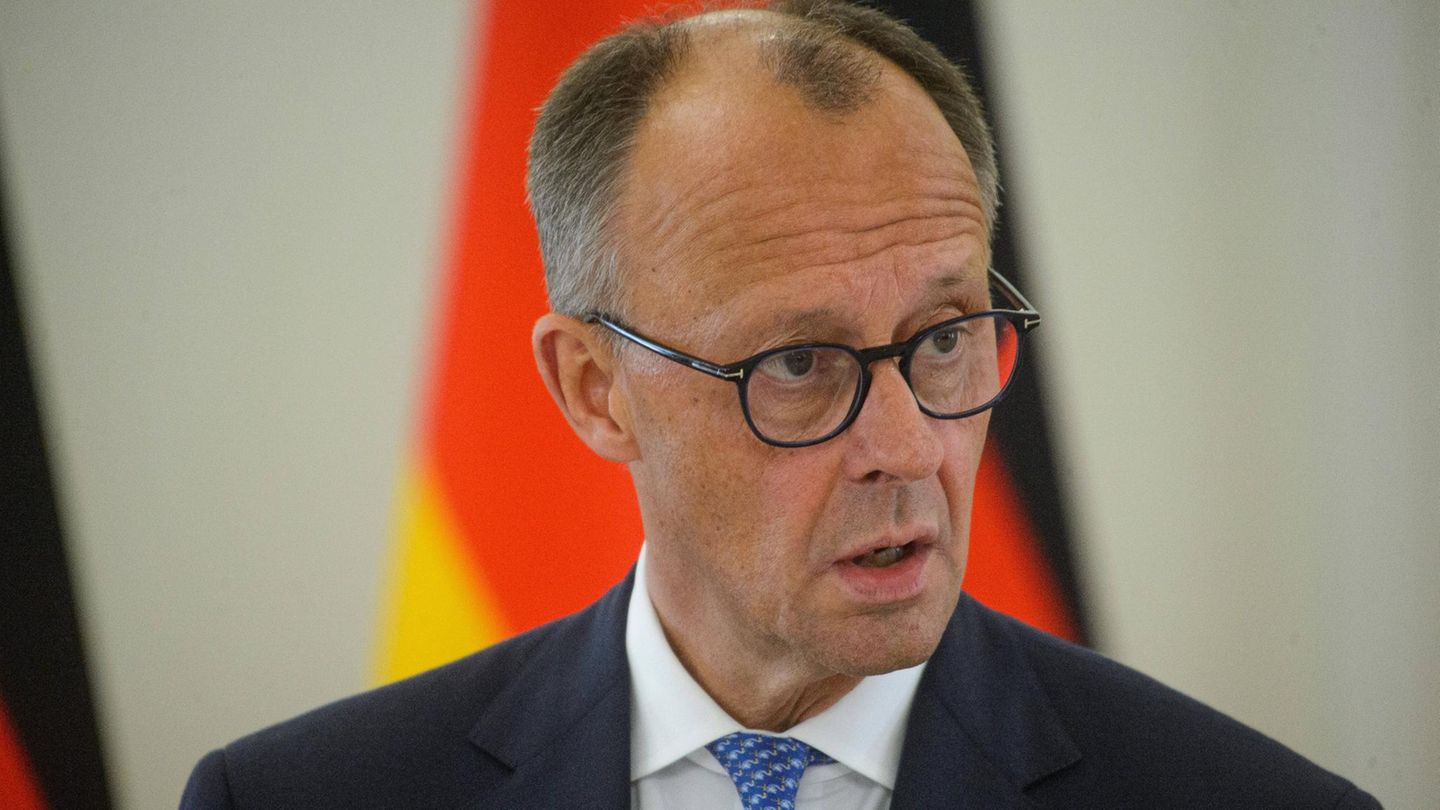
Even the German Chancellor, Friedrich Merz , has voiced his criticisms concerning the latest Israeli operations in Gaza. Merz stated that the impacts on civilians are becoming harder to justify under the guise of combating terrorism, reflecting a potential realignment of German policy on this contentious issue. He further asserted that while Germany must retain its partnership with Israel, the government “must not overstep boundaries… where humanitarian law is now genuinely violated.”
Merz’s comments mark a significant shift in the tone of the German leadership toward Israel, acknowledging the serious consequences that current operations in Gaza have on civilian life. In recent statements, he emphasized the need for Israel to uphold its obligations under international law and avoid actions that would alienate its long-time allies.
### Legal and Ethical Implications
Legally, Germany’s ongoing weapon sales raise serious ethical questions. The historical context of the Israeli-Palestinian conflict complicates the discussions surrounding military support. Military equipment exported to Israel, either directly or indirectly, may contribute to the cycle of violence and retaliation observed in the region.
The discussions surrounding the legality of arms exports to conflict zones are underscored by the German constitution’s commitment to peace. The SPD members surrounding government leadership are increasingly calling for reassessment and reevaluation of these policies. Ilsa Bloch, another prominent party member, stated, “It is wrong to deliver arms—considering the doubts regarding compliance with international law.”
### Fractured Political Landscape in Germany
Significantly, the criticism is not limited to the SPD; even figures within the CDU are beginning to raise concerns about the humanitarian situation in Gaza. Fraktionschef Jens Spahn recently called for an improved supply for Palestinian citizens, reflecting a shift in rhetoric from previously unquestioned support of Israeli military actions.
The Zentralrat der Juden in Deutschland also recently urged an end to military actions impacting civilians, highlighting the disproportionate toll of the conflict on human lives. This reflects a broader call for consideration of the humanitarian implications faced by the Palestinian population.
### Conclusion
As tensions escalate and the humanitarian crisis deepens, the increasing criticism of Israel’s military strategies by German politicians highlights a pivotal moment in Germany’s foreign policy. The ongoing discussions around arms exports, coupled with accusations of potential complicity in war crimes, suggest a crucial examination of Germany’s stance toward the Israel-Palestine conflict is underway. How the current government will navigate these turbulent waters remains to be seen, but one thing is clear: a shift in policy may be imminent, driven by ethical concerns and a desire for humanitarian justice.