
The Complex Dynamics of Antisemitism and Israel’s Military Response
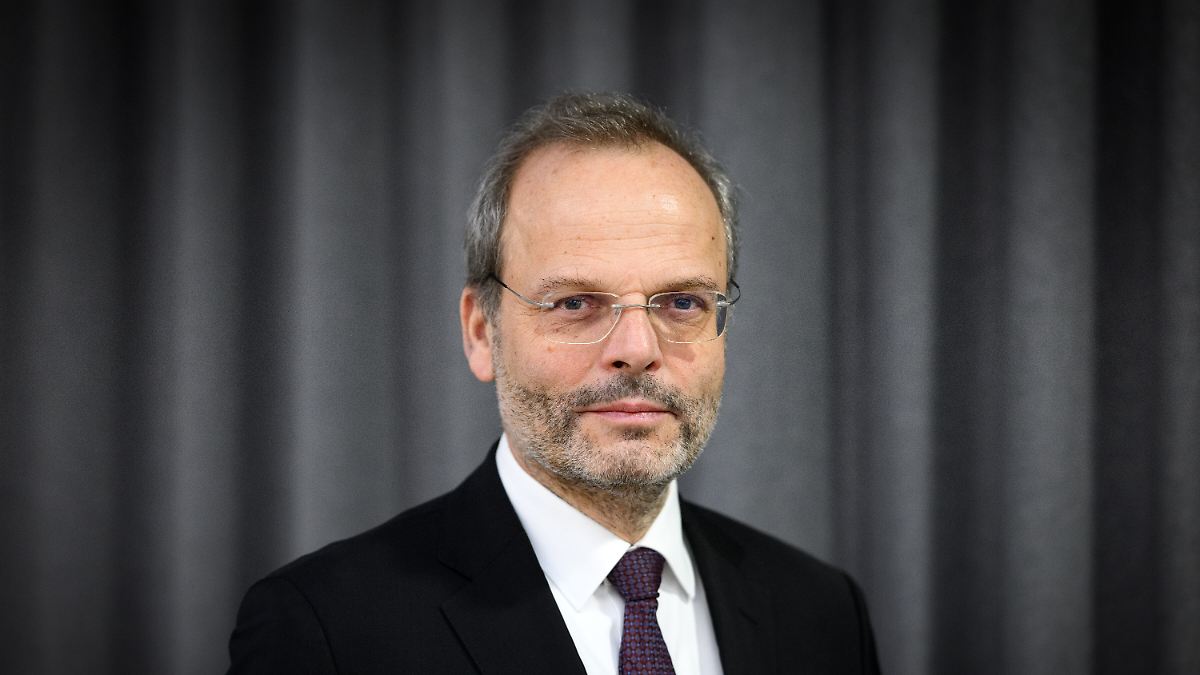
The ongoing conflict between Israel and various factions in Gaza has raised significant discussions surrounding antisemitism and the overarching implications of military interventions. In recent days, prominent voices, such as Felix Klein, Germany’s antisemitism commissioner, have pointed to the urgent need for a nuanced dialogue about state interests and the moral responsibilities entailed in armed conflict.
The Nature of Antisemitism Today
Antisemitism, defined as prejudice against Jews, has manifested in various forms throughout history. In contemporary society, it often intersects with political discourse, especially around conflicts involving Israel. Klein emphasizes that discussions about Israel’s actions should not serve as a justification for antisemitic rhetoric. This perspective promotes a deeper understanding of how political events can inadvertently exacerbate prejudices.
The Historical Context
Understanding antisemitism requires a historical lens. From the Middle Ages through the Holocaust, Jewish communities have faced systemic oppression and violence. The aftermath of World War II saw a global reckoning with these injustices, leading to the establishment of Israel as a safe haven for Jews. However, this foundational narrative complicates debates about Israel’s military actions and their perceived justification in the face of existential threats.
Current Events and Reactions
Recent events surrounding the Gaza conflict have reignited discussions about antisemitism, particularly in Germany and across Europe. Klein argues that while Israel has the right to defend itself, this should not lead to a blanket acceptance of any actions taken, especially those resulting in civilian casualties. This delineation is crucial in preventing a degradation of civil discourse into antisemitic tropes.
The Role of Political Leadership
Klein’s critiques extend to political leaders, particularly their use of language. When leaders fail to differentiate between criticism of the Israeli government and antisemitism, they contribute to an environment where prejudice can flourish. Statements that conflate Jewish identity with Israeli policy can perpetuate harmful stereotypes and elicit violent responses.
Calls for Accountability
Klein’s views underscore the necessity for clarity in political communication. He has called for leaders to reflect on their words and the potential ramifications they carry. The language used in political discourse shapes public perception, which in turn influences the societal acceptance of antisemitic sentiments.
International Observations
Many countries are experiencing surges in both pro-Palestinian protests and antisemitic incidents. Reports indicate a correlation between public demonstrations and spikes in antisemitic acts, raising alarms among communities. European nations, though historically attuned to antisemitism, face challenges in navigating complex expressions of solidarity with Palestine without crossing into hate speech.
The Dichotomy of Support
Supporting Palestinian rights should not come at the cost of enabling antisemitism. There’s an urgent need for frameworks that foster empathetic dialogues about conflict realities while condemning hatred in any form. This is essential for building bridges rather than widening divides.
Education as a Solution
One pathway forward is through comprehensive education about antisemitism and its roots in historical narratives. Educational initiatives that illuminate the distinction between legitimate criticism of Israel and antisemitic rhetoric can pave the way for more constructive discourse. Schools, universities, and community organizations must collaborate to create intellectually honest platforms for discussion.
Research and Data-Driven Approaches
Moreover, robust research on the impact of antisemitic sentiment within political contexts can inform policies and public narratives. By understanding how various populations respond to the Israeli-Palestinian conflict, stakeholders can better address the underlying tensions that foster discrimination.
Conclusion: A Call for Thoughtful Dialogue
In conclusion, the ongoing conflict in Gaza and the associated discussions about antisemitism highlight an urgent need for thoughtful dialogue and responsibility among political leaders, media, and the public. It’s crucial to recognize that while rights to defend a nation are significant, they cannot overshadow the moral imperative to protect all human life.
Felix Klein’s advocacy for a nuanced approach stands as a reminder that it is possible to criticize state actions without resorting to age-old prejudices. The path forward requires collective efforts to foster understanding and combat hatred in all its forms.
In light of this, staying informed is essential. Here are some recent articles for further reading:
- 09:21 Antisemitismusbeauftragter Klein gegen Waffen-Stopp an Israel N-TV
- „Ein Offenbarungseid“ Michael Wolffsohn kritisiert Staatsräson-Vorstoß von Antisemitismusbeauftragtem Tagesspiegel
- Deutschland und der Gazakrieg: Antisemitismusbeauftragter Klein fordert Debatte über »Staatsräson« Spiegel
- Antisemitismusbeauftragter Felix Klein zu Israels Vorgehen in Gaza und zur „Staatsräson“ FAZ.NET
- Sicherheit Israels laut Antisemitismusbeauftragtem „keine Rechtfertigung für alles“ WELT