
Analysis of Russia’s Largest Attack on Ukraine: A Day of Devastation
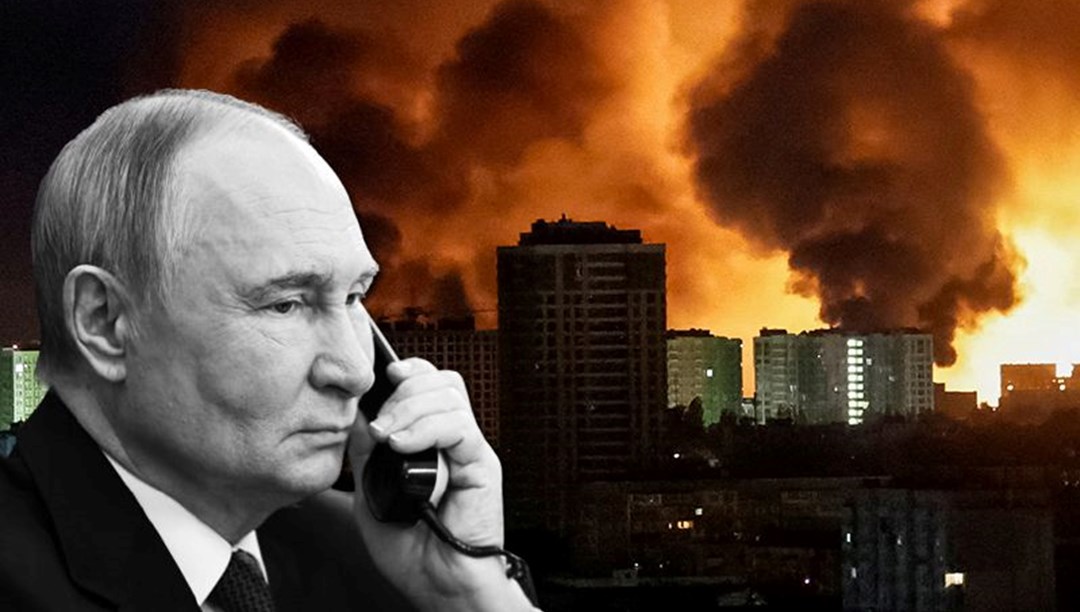
In a shocking turn of events, Russia launched its most extensive air assault on Ukraine to date, carrying out a coordinated attack with 367 drone and missile strikes in one night. This unprecedented display of military aggression takes place amidst ongoing conflicts that have persisted for over three years, demonstrating the escalating tension between these two nations.
A Scale of Destruction Unprecedented in Modern Warfare
The recent night attack marked a significant escalation in the ongoing conflict. For the first time since the war commenced in 2022, Russia utilized an unusual number of drones and missiles in a single offensive. Ukraine’s officials confirmed that this unprecedented strike included 298 drones and 69 missiles, aimed at various strategic locations throughout the country.
In the aftermath, reports indicated that at least 12 people lost their lives, including three children, while more than 70 individuals sustained injuries. The extensive damage included 80 residential buildings affected and 27 fires reported. The attack was particularly brutal, as described by Ukrainian Interior Minister Ihor Klymenko, who asserted that these strikes were "combined and ruthless acts targeting civilians."
Casualties and Human Cost
The human cost of this escalation is staggering. Among the casualties were three children aged 8, 12, and 17, all from the same family. Their parents were hospitalized, reflecting the devastating personal toll of this conflict. In light of these events, President Volodymyr Zelensky expressed deep concerns about the ongoing violence, stressing the need for international action against the Russian government.
The Ukrainian authorities continue to engage in search-and-rescue operations, with teams working across 30 cities and villages to locate victims and provide aid. Zelensky emphasized that while life may continue for many, the war shows no signs of relenting.
Global Responsibility and Strategic Implications
Zelensky urged the international community to increase pressure on Moscow to halt its military campaigns and violence against Ukrainian civilians. He cautioned that the ongoing silence from prominent nations emboldens Russian President Vladimir Putin, indicating that failing to act may prolong the suffering.
He further called for enhanced sanctions against Russia, reinforcing that inaction will only contribute to continued aggression. The President stated, "Without putting pressure on Russia, this brutality cannot be ended."
Military Objectives and Tactical Overview
According to the Russian Ministry of Defense, the targeted strikes focused on Ukraine’s military industrial sector. They claimed the operation concentrated on facilities associated with munitions and drone production. This aligns with Russia’s ongoing strategy to cripple Ukraine’s military capabilities through calculated strikes on its industrial infrastructure.
Ukrainian air defense reported the successful interception of 45 cruise missiles and 266 drones. Nonetheless, the scale of the attacks overwhelmed some defensive capabilities, resulting in 22 specific locations being hit across several regions of Ukraine.
International Reactions and Future Implications
The international community has responded with varied condemnation and calls for action. Many nations have extended their support to Ukraine, providing military and humanitarian aid. Escalating violence poses significant questions about the future of international relations and security in the region.
Analysts suggest that Russia’s continued military actions could provoke further sanctions and international isolation. The ongoing conflicts are not only humanitarian crises but also geopolitical challenges that require careful navigation to avoid a larger-scale confrontation.
Civilian Impact and Infrastructure Damage
The concentrated military actions have a catastrophic impact on civilian life. Beyond the immediate loss of life, the destruction of homes and critical infrastructure exacerbates the already dire situation for many Ukrainians. The trauma inflicted on families and communities will require years of recovery, especially for the most vulnerable populations.
Ukrainian authorities are continuously assessing the damage and mobilizing resources to aid displaced individuals. However, the scale of destruction presents significant challenges in both immediate recovery efforts and long-term rebuilding.
Conclusion: How Will the International Community Respond?
The recent escalation in the conflict raises pressing questions about the efficacy of international responses to aggression. As the people of Ukraine endure profound tragedies, it becomes crucial for global powers to act decisively against ongoing abuses.
Persistent military aggression showcases a disregard for international norms, and every nation must critically assess its stance toward Russia. The world watches closely as the situation unfolds, weighing the implications for global peace, security, and humanitarian justice.
In this volatile environment, the urgency of a unified response becomes clearer; addressing the plight of affected civilians and implementing stronger punitive measures against Russian aggression is paramount to achieving peace in the region. Each act of violence not only impacts those directly involved but reverberates through international relations, challenging the frameworks previously established for global governance.