
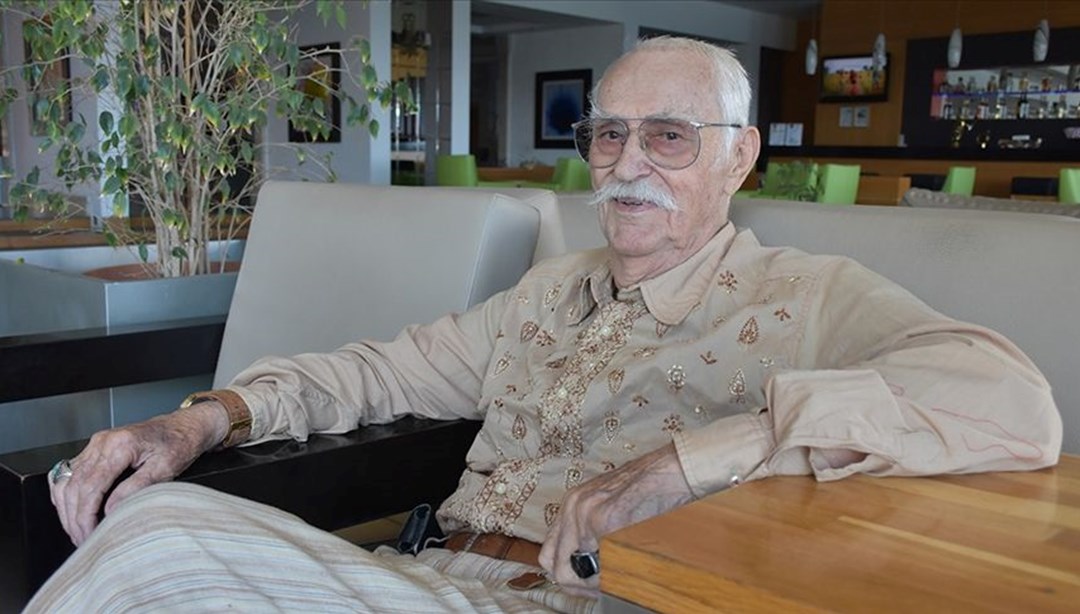
Remembering Eşref Kolçak: A Legacy in Turkish Cinema
Eşref Kolçak, a name synonymous with Turkish cinema, has left an indelible mark on the hearts of audiences. Born as Eşref Kolçakoğlu on January 20, 1927, in the İspir district of Erzurum, Kolçak embarked on a remarkable journey that would span over six decades and feature in around 200 films and television series. His legacy continues to inspire upcoming generations of actors and filmmakers.
Early Life and Career Beginnings
Eşref Kolçak’s journey into the world of performing arts began against humble beginnings. Growing up, he moved to Istanbul in 1941 after relocating from Erzurum, where he completed elementary school. He initially studied at the Sultanahmet Men’s Art Institute, specializing in cabinet-making. However, this was just the beginning. While briefly working as a cobbler and running a carpentry shop, Kolçak’s passion for the arts led him down a different path.
In 1944, he made his debut in professional theatre with the Atilla Revü Operet, swiftly transitioning to more significant roles. By 1945, he joined Ses Theatre and shifted from being an extra to a full-fledged actor in "Fedakar Ana" (1947), directed by Cahide Sonku.
Breakthrough Success
Kolçak’s breakout came with the film "Affet Beni Allah’ım", released in 1953. This project marked his transition to serious acting and established him as a household name in Turkish cinema. His portrayal of characters ranging from romantic leads to complex heroes showcased his breadth as an actor, engaging fans through every narrative twist and turn.
His work in "Namus Uğruna", among others, solidified his reputation, making him a prominent figure in the melodrama and heroic genres. He effortlessly balanced projects, contributing to both popular Turkish cinema with works like "Altar" and engaging narratives that showcased a more profound emotional depth.
A Versatile Actor with Diverse Roles
Eşref Kolçak’s extensive portfolio, spanning both film and television, includes notable projects such as "Düşman Yolları Kesti", "Bir Şoförün Gizli Defteri," and the iconic "Küçük Ağa". His roles reflected the socioeconomic and cultural landscapes of Turkey, making him not only a performer but a storyteller of the nation’s evolving identity.
His role as Binbaşı Hamdi in "Küçük Ağa," adapted from Tarık Buğra’s novel, revealed his nuanced understanding of character arcs, while his versatility was evident across his other works. Kolçak’s belief that “art has no manual” emphasizes his natural talent and dedication to his craft, making each portrayal distinct.
Awards and Recognition
Throughout his career, Eşref Kolçak received numerous accolades that recognized his contributions to the film industry. His performance in "Namus Uğruna" earned him the Best Actor Award at the 1961 Turkish Film Festival. Additionally, at the 1989 Antalya Golden Orange Film Festival, he received a Special Jury Award for his lifelong dedication to Turkish cinema.
His legacy continued to grow, with Kolçak receiving the Best Supporting Actor Award at the 2000 Antalya Golden Orange Film Festival for his role in "Güle Güle." The recognition didn’t stop there; his contributions were honored through various awards, including the Honor Award at the 4th Malatya International Film Festival.
A Legacy Beyond the Screen
Eşref Kolçak’s legacy extends beyond just awards and film roles. He viewed cinema as “live letters written for future generations.” His dedication to authentic storytelling meant that his performances could resonate deeply with audiences, allowing contemporary viewers to connect with the narratives of Turkish life and culture.
In later years, Kolçak continued to showcase his passion for acting despite facing physical challenges. His commitment was evident in all aspects of his craft, often stating, “I want to die working, not in bed.” His innovative approach to the roles he portrayed revealed a commitment to authenticity, engaging audiences at every turn.
Final Days and Memory
Eşref Kolçak passed away on May 26, 2019, due to complications related to lung fluid. He chose to be buried beside his son, Harun Kolçak, and his wife, Özcan Kolçak, fulfilling a heartfelt wish. His impact on Turkish cinema continues, with his films remaining a pivotal part of cultural discussions.
Among his remarkable contributions, his performances in films such as "Hayalimdeki Köy," "New York’ta Beş Minare," and "Aşk ve Gurur" showcase a diverse filmography. He became an iconic figure, not only known for his talent but also for his character on and off the screen.
Eşref Kolçak remains a monumental figure in Turkish cinema, his work resonating with audiences and preserving a legacy that celebrates both the art of storytelling and the spirit of resilience within the craft. His life story is a testament to the power of passion, dedication, and the enduring influence of art on society.