
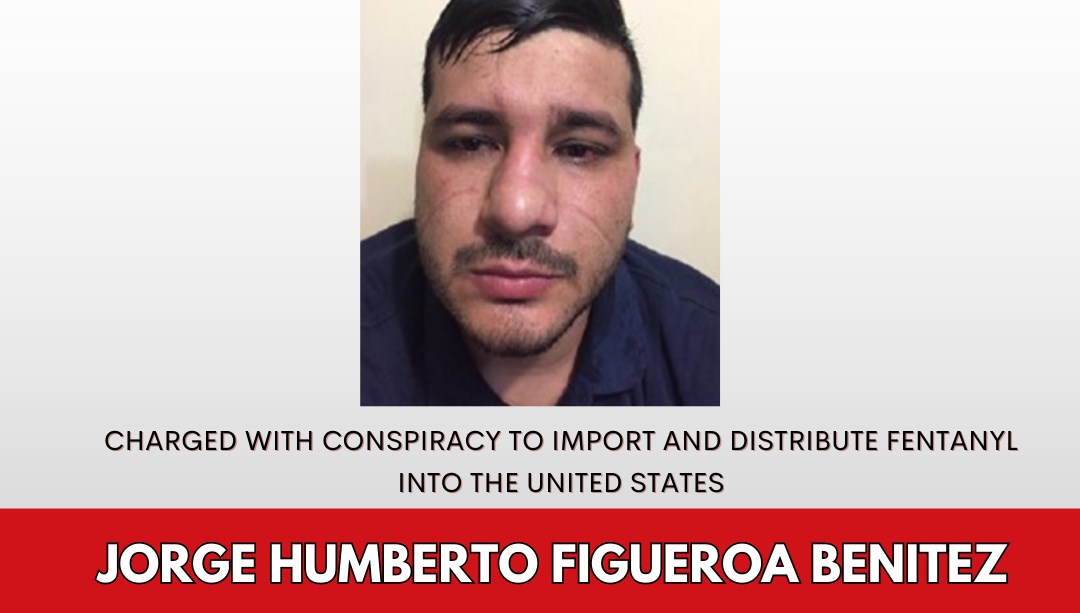
Mexican Government Declares the Death of Notorious Cartel Member Jorge Humberto Figueroa Benítez
The Mexican government has confirmed the death of Jorge Humberto Figueroa Benítez, a recognized member of a notorious cartel, during a well-coordinated operation. This operation was significant enough that the United States, which had placed a $1 million reward on Benítez’s head, came into focus.
The Context of the Operation
According to reports from CNN International, the U.S. authorities identified Benítez as one of the key figures in the criminal organization known as "Los Chapitos." This group is known for its extensive operations in illegal drug trafficking and violence. Omar García Harfuch, the Mexican Secretary of Security and Citizen Protection, revealed that the cartel member was killed during an operation in the Sinaloa state.
Initial reports from local media indicate that the operation took place in Navolato, located approximately 32 kilometers from Culiacán, the capital city of the state. This surge in activity reflects a broader trend where violence and drug-related crimes have escalated, especially in regions where cartels vie for control.
Outstanding Criminal Charges Against Benítez
Benítez was not only an infamous cartel member but was also wanted for a myriad of serious federal charges in the United States. The Drug Enforcement Administration (DEA) had placed a $1 million bounty for any information leading to his capture. The extensive list of charges against him included conspiracy to import and distribute fentanyl, possession of automatic firearms, and money laundering. These allegations paint a grim picture of his methods and operations. The extensive network of drug trafficking that involved Benítez underscores the serious implications for both the U.S. and Mexican governments.
Culiacán: A History of Violence
Culiacán has a notorious reputation, with the city witnessing extreme acts of violence, particularly highlighted in 2019 during an event known as the “Culiacanazo.” This incident unfolded after the arrest of Ovidio Guzmán López, one of Joaquín “El Chapo” Guzmán’s sons. Following his arrest, widespread violence erupted throughout the city, leading to a chaotic response from local authorities. Ovidio Guzmán was eventually released, reportedly to save lives, which raised serious questions about law enforcement’s grip on the escalating drug war.
In 2023, Ovidio Guzmán was deported back to the U.S., where he faced allegations of drug trafficking and money laundering. His family members reportedly reached an agreement with the U.S. Department of Justice, further complicating the intricacies of the ongoing cartel wars and the international drug trade.
The Ongoing Impact of Drug Trafficking
The implications of such operations extend beyond simple arrests or deaths. The battle against drug trafficking influences various sectors, from law enforcement and health to international relations. The presence of cartels often results in heightened violence, as rival factions clash for dominance. This environment has not only affected Sinaloa but has rippled across both Mexico and the United States.
The drug crisis in the U.S. has seen a drastic rise in deaths related to opioid overdoses, particularly fentanyl, which is often smuggled into the country by groups like Los Chapitos. The DEA attributes a significant number of these deaths to the distribution networks controlled by cartels, emphasizing the urgent need for collaboration between the U.S. and Mexican governments to combat these issues.
Collaborative Efforts Against Cartels
Both Mexican and U.S. authorities have expressed the importance of working together to dismantle these criminal organizations. To do so, it requires not only law enforcement action but also addressing the socio-economic factors that lead to individuals joining cartels in the first place.
By forming alliances, sharing intelligence, and coordinating operations, both governments can create a more formidable front against the mechanisms of drug trafficking and the associated violence. The death of Jorge Humberto Figueroa Benítez signifies a step forward, yet it is one small part of a much larger battle.
The complexities of cartel operations indicate that individual arrests or deaths rarely lead to a significant decrease in drug trafficking. Instead, these operations need sustained efforts focused on root causes, community development, and drug education to effectively combat the prevalence of drug-related crimes.
The Future of Drug Enforcement in Mexico and the U.S.
As the landscape of narcotics trafficking evolves, so too must the strategies deployed by law enforcement agencies. The relentless cycle of violence and crime associated with these cartels calls for innovative solutions that go beyond traditional methods. Enhanced cooperation and the adoption of modern technologies can play a crucial role in identifying and neutralizing cartel activities before they can escalate.
In conclusion, while the death of Jorge Humberto Figueroa Benítez marks a notable event, it also highlights the complexities and challenges that remain in combating the pervasive influence of drug cartels. Success in this ongoing battle requires a multi-faceted approach that involves collaboration, education, and comprehensive policy reforms.