
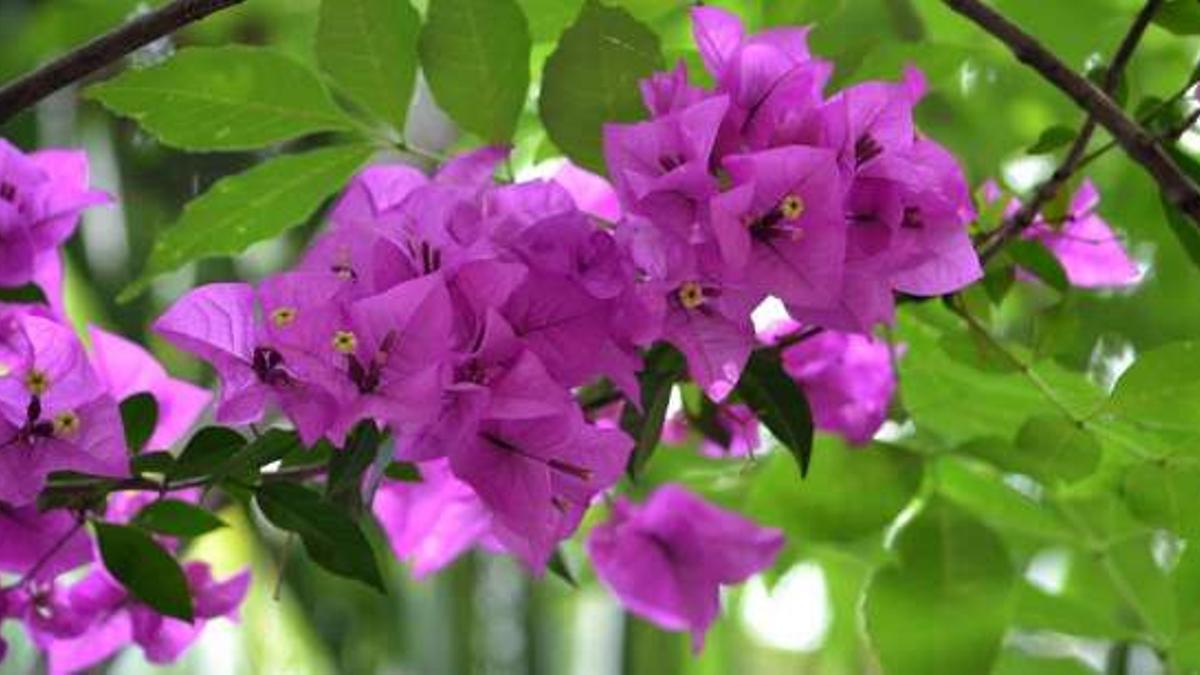
Introduction to Bougainvillea
Bougainvillea, also known as the paper flower, is a stunning plant popular worldwide, celebrated for its vibrant colors and unique appearance. This climbing plant has found a special place in many homes, thanks to its beauty, resilience, and versatility. From enhancing gardens to adorning walls and terraces, Bougainvillea can enrich any space, making it a favorite among gardeners and landscape designers alike.
Origins and Characteristics of Bougainvillea
Originating from South America, Bougainvillea belongs to the family Nyctaginaceae, with the scientific name Bougainvillea. It was named after the French explorer Louis Antoine de Bougainville. This plant primarily thrives in tropical regions of Brazil, Peru, and Argentina, although its cultivation has spread globally due to its attractive aesthetics and strong adaptability.
Bougainvillea can grow as either a bush or a vine, characterized by its colorful bracts that surround small white flowers. The bracts are responsible for the plant’s vivid coloration; the actual flowers are small and white.
Interesting Facts about Bougainvillea
Bougainvillea is not only visually appealing but also surprisingly hardy and drought-resistant, making it ideal for hot and dry climates. Interestingly, the bracts of Bougainvillea are modified leaves, creating a burst of color around the tiny white flowers.
The colorful bracts provide the vibrant appearance, while the actual flowers are tiny and discreetly white.
With proper care, Bougainvillea can live for up to 30 years, making it a worthwhile investment for those seeking a long-lasting decorative plant. In some cultures, it is even attributed with medicinal properties for treating respiratory conditions, although its use should be approached with caution and medical consultation.
Basic Care for Bougainvillea
Although Bougainvillea is quite resilient, it requires specific care to remain healthy and bloom abundantly. Here are some essential tips for its cultivation:
- Sunlight: Bougainvillea requires at least six hours of direct sunlight daily for optimal growth and vibrant color. It thrives in sunny locations, and adequate sunlight promotes better flowering.
- Watering: This plant prefers moderate watering. Allow the soil to dry out between waterings to prevent root rot. During winter, watering should be much less frequent.
- Soil: Bougainvillea adapts well to well-drained, slightly sandy soils. Poor drainage is one of the main enemies of this plant, so adequate drainage systems are essential.
- Pruning: Regular pruning promotes healthier growth and more abundant blooms. It is best to prune after flowering, removing any dead or damaged branches.
- Fertilization: Apply a phosphorus-rich fertilizer in the spring and summer to boost flowering. It is recommended to fertilize every four to six weeks.
Benefits of Keeping Bougainvillea at Home
The benefits of cultivating Bougainvillea extend beyond its aesthetic appeal. Here are some key advantages:
- Ornamental Value: With its wide variety of colors and lush form, Bougainvillea is a fantastic option for outdoor decoration. Be it covering walls, pergolas, or fences, it brings a tropical and cheerful vibe to any space.
- Low Maintenance: This plant is perfect for busy individuals, as it doesn’t require much special care and is resistant to warm and dry climates.
- Attracts Pollinators: The flowers of Bougainvillea attract butterflies, bees, and hummingbirds, enhancing local biodiversity. Having this plant in your garden helps create a healthier, more balanced environment.
- Medicinal Properties: In certain cultures, Bougainvillea has been used as a natural remedy for mild respiratory issues, such as coughs or colds. However, consumption should always be approached with caution and under medical supervision.
Propagation and Reproduction of Bougainvillea
Propagating Bougainvillea is relatively easy. It can be multiplied through semi-woody stem cuttings. Here are the steps to follow:
- Cut a 15-20 cm long cutting.
- Remove the lower leaves, leaving a few at the top.
- Plant the cutting in well-aerated soil and keep it in a warm, sunny location.
- In about 3-4 weeks, the cutting should develop roots.
Additionally, Bougainvillea can also be propagated through air layering, though this method is less common.
Common Issues and Solutions in Bougainvillea Cultivation
While Bougainvillea is a hardy plant, it is not immune to problems. Here are some common challenges:
- Lack of Blooming: This issue may arise from insufficient light or overwatering. Ensure the plant receives enough sun and avoid excessive watering.
- Yellowing Leaves or Leaf Drop: This typically occurs due to poor drainage or sudden temperature changes. Improving drainage and protecting the plant from cold will help resolve this problem.
- Pests: Common pests include aphids and scale insects. Natural pesticides like neem oil or potassium soap can help control these pests.
- Cold Sensitivity: In cooler climates, it is advisable to grow Bougainvillea in pots so that it can be relocated to a more protected area during winter.
Bougainvillea is a plant that offers both beauty and functionality. With its vibrant colors and low maintenance needs, it has become a favorite for decorating outdoors. By following basic care guidelines and ensuring an appropriate environment, Bougainvillea will reward you with years of floral splendor. Whether as a decorative plant or a part of your garden, this resilient climber will always bring life and color to any space.