
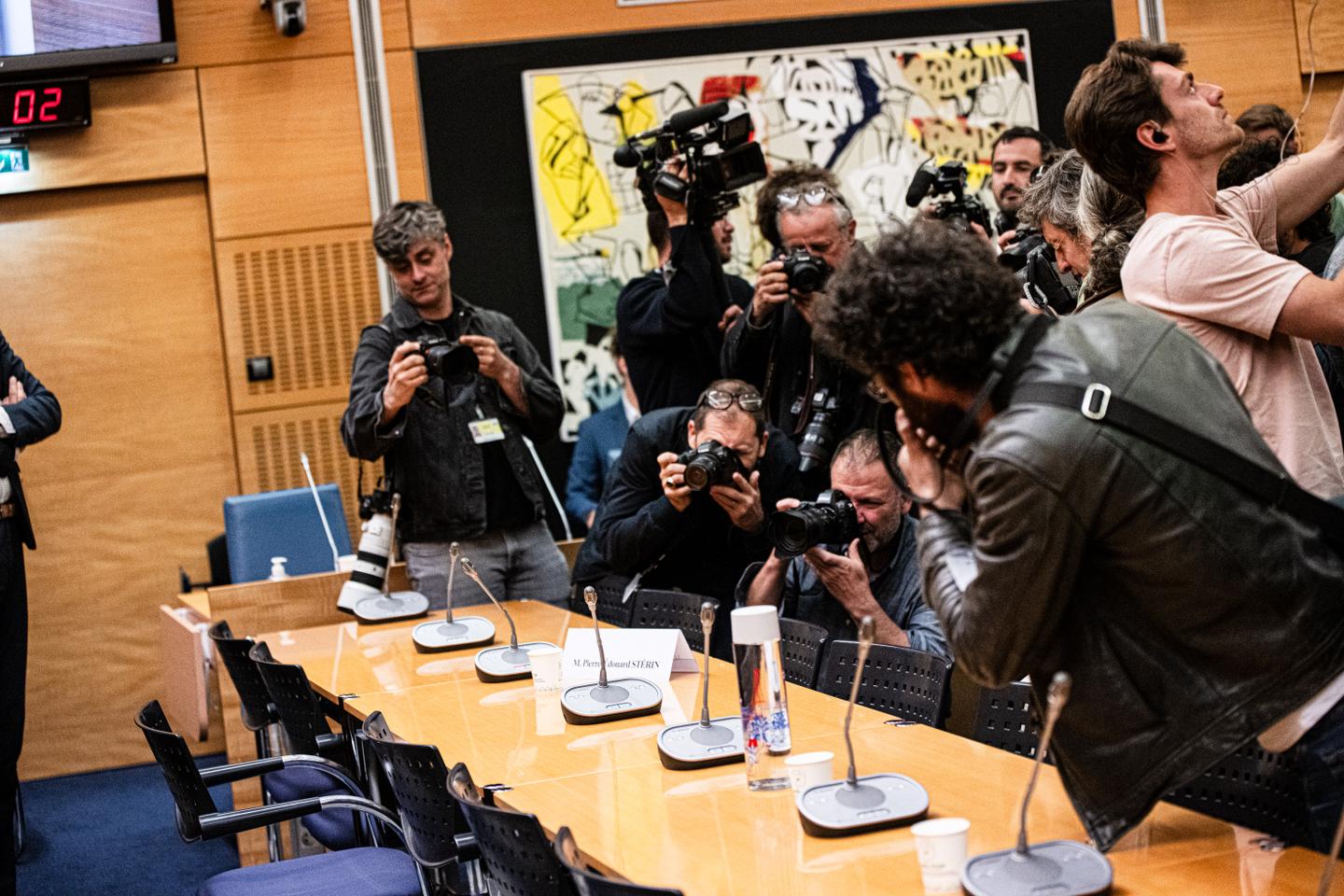
Understanding the Role of Commissions of Inquiry in French Politics
Commissions of inquiry have become a significant feature in the French political landscape. These parliamentary bodies are responsible for examining specific issues related to public service management, national companies, or social policies. As of May 2025, there has been a notable increase in their formation, which reflects a growing demand for accountability and transparency within governmental operations.
The Rise of Commissions of Inquiry
As noted by Yaël Braun-Pivet, President of the National Assembly, there seems to be an overabundance of these commissions, with sixteen already established since October 2024 alone. This number poses questions about their effectiveness and appropriateness in contributing to political discourse. Braun-Pivet acknowledged the complexity of managing commissions and indicated their struggles in dealing with contemporary issues, stating that "those related to the news have trouble working."
The historical context highlights that previously, only one or two commissions were created annually. This drastic increase suggests a shift in parliamentary priorities toward oversight and control—areas often overshadowed by the legislative process.
The Function of Commissions
The primary aim of these commissions is to control government action and assess public policies. Designed to operate for a maximum of six months, they focus on specific facts and issues. Members from various parliamentary groups are appointed to these commissions, ensuring a comprehensive approach to investigation. The commissions have significant power, allowing them to summon individuals for testimonies, conduct on-site inspections, and request various documents.
A senior assembly official described the function of these commissions as akin to "a para-judicial investigation into non-judicial facts." This definition underscores the gravity of their role in maintaining a check and balance within French governance.
Challenges Facing Commissions of Inquiry
Despite their functions and objectives, these commissions face numerous challenges. As Braun-Pivet pointed out, the oversaturation of commissions could undermine their credibility and effectiveness. When commissions are created for too many issues, it can dilute the focus and resources available to investigate each matter thoroughly.
Additionally, sustaining public interest can be a hurdle. With numerous investigations occurring simultaneously, the media and public may struggle to differentiate between significant inquiries and less impactful ones. This can lead to a disengagement from vital political discussions surrounding governance and accountability.
The Political Implications
The implications of these commissions extend beyond simple oversight. They can significantly influence public perception of government effectiveness and integrity. When commissions succeed in unveiling pertinent issues, they hold the potential to lead to policy changes, government reforms, or even political repercussions for those who are found wanting.
Moreover, the ability to invite testimonies from high-ranking officials can create a domino effect, prompting further investigations and drawing attention to systemic issues that may have otherwise gone unnoticed.
Future Directions for Commissions
As the political climate continues to evolve, it remains crucial for these commissions to adapt and refine their practices. This includes developing clearer guidelines around their formation and operations to avoid redundancy and promote efficiency. Striking a balance between thorough investigation and keeping the public engaged will be essential for their ongoing viability and success.
Additionally, transparency in their findings and recommendations is imperative. If the public can see tangible results stemming from inquiries, the likelihood of continued support for these commissions increases. The responsibility lies not only with the commissioners themselves but also with the government to ensure that these findings are acted upon and that public discourse remains informed and engaged.
In conclusion, commissions of inquiry play a pivotal role in the French political system. They serve as a mechanism for accountability while providing a platform for scrutinizing governmental actions. Their challenge lies in navigating the complex relationship between legislative responsibilities and the demand for transparency in governance. The way forward will require careful consideration and strategic adjustments to maintain their integrity and effectiveness in a rapidly changing political landscape.