
The Return of Rail to Public Control: A New Era for Transport in the UK
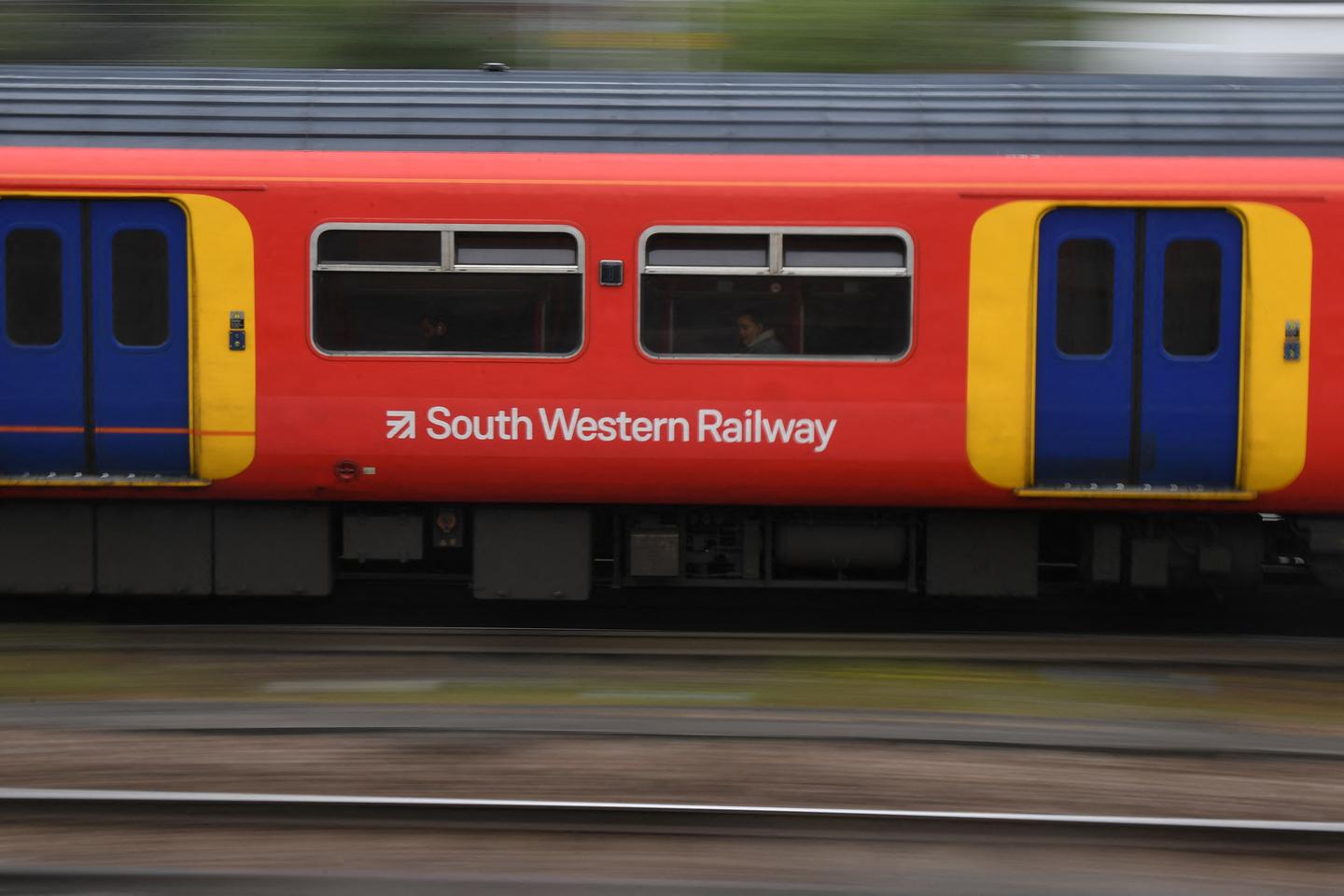
The recent announcement about the South Western Railway marks a significant shift in the British rail system, as it transitions back into public ownership. This move, initiated on May 25, heralds what the government describes as “ a new era for rail .” It seeks to address long-standing frustrations faced by passengers, including issues of inefficiency, inflated costs, and service unreliability, which have plagued the privatized rail network for decades.
Privatization: A Shift in Policy
The privatization of British rail services can be traced back to the mid-1990s during Prime Minister John Major’s administration. This process aimed to foster competition among rail operators, promising a better experience for passengers through increased investment and decreased public funding. Despite the optimistic projections, the privatization approach was met with considerable backlash from unions, opposition parties, and the general public. Even though initial ridership increased, the aftermath saw a dramatic rise in cancellations and delays, compounded by tragically fatal accidents, such as the derailment in 2000 that left four dead.
Understanding the Shift Back to Public Control
The return to public management has recently gained momentum, especially as four out of the fourteen private operators in England have already returned to public hands due to underperformance. The government seeks to consolidate these fragmented operations into a single entity named Great British Railways . This initiative aims to unify and streamline services, enhancing efficiency in a system previously marred by competition that often prioritized profits over passenger satisfaction.
During a visit to a train depot, Transport Minister Heidi Alexander emphasized the importance of this transition. She stated, “We are going to say goodbye to thirty years of ineffectiveness, waste, and frustration of passengers.” This sentiment was echoed across various transport unions, which have sought reforms for years. Unions like ASLEF have voiced their approval of bringing these services back under government control, highlighting that “privatization did not work, and it still does not work.”
Government Plans: Nationalizing Operators
The new laws put into effect by the Labour government require that private operators are nationalized once their contracts expire, or even sooner if they fail to meet performance standards. This legal framework allows for a structured and organized approach to reintegrating these services without the need for immediate compensation payouts to existing operators. The government’s plan states that all private contracts are set to expire by 2027, paving the way for a more stable and accountable rail service.
This transition to public control does not just aim to improve the efficiency of operations but also seeks to ensure that the services cater primarily to the interests of passengers , rather than directly benefiting shareholders. The emphasis on passenger experience echoes widespread public support for the nationalization process.
Challenges Ahead for the Rail Network
While the shift back to public control is promising, experts caution that restoring the trust of passengers and effectively addressing the structural issues will require time and resources. Minister Heidi Alexander has warned that although the restructuring aims to resolve existing problems, “ the structural problems that hinder the rail network will take time ” to overcome.
Starting from May 25, South Western Railway operations will be managed by a newly established public operator. This new operator is intended to eventually integrate into the Great British Railways framework as it develops. Following South Western Railway, C2C and Greater Anglia will also transition back into public control, signaling the beginning of a larger trend in British rail transport.
The Public Reaction: Hope for Reinvention
The public response to the transition has largely been optimistic. Many are hopeful that bringing railway operations back into public hands will solve lingering issues such as delays, high fares, and poor service quality. There are high expectations that the new management structure will implement changes aimed at enhancing the rail experience across the UK.
Furthermore, the government aims to invest significantly in rail infrastructure to not only maintain safety but also to make transport more efficient. As ridership continues to rise post-pandemic, ensuring that the rail network meets future demands will be a vital component of national transport strategy.
In conclusion, the transition back to public ownership represents a pivotal moment in the history of British rail service. It embodies a commitment to rectify past failings and work towards a future where rail transport is a reliable and efficient option for all passengers. The path ahead is filled with challenges, but the steps taken today are foundational for a transformed rail system that prioritizes the needs of its users.