
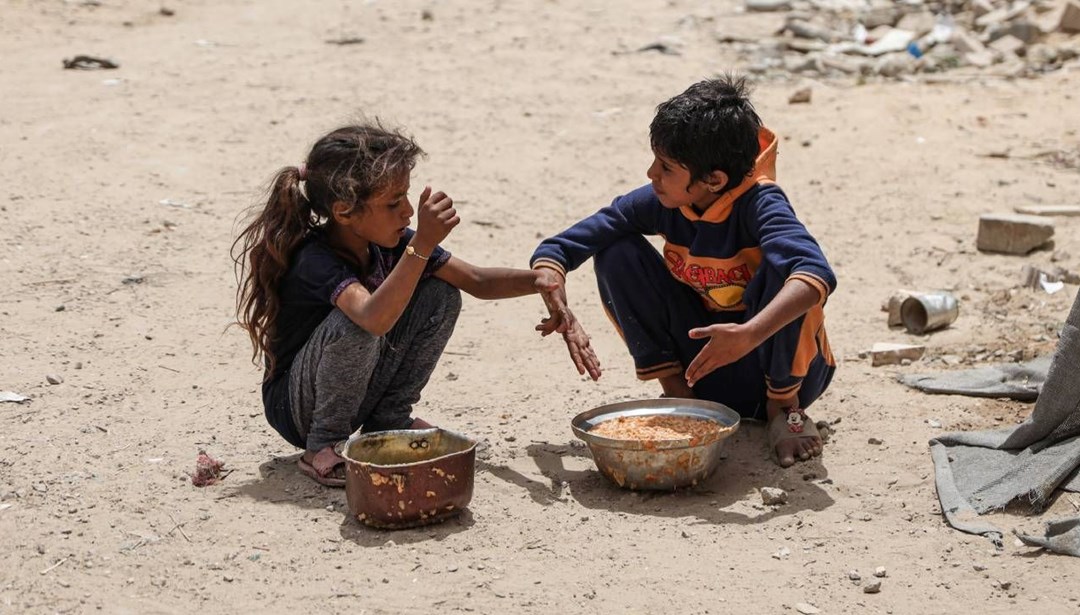
The Devastating Impact of the Gaza Blockade on Children
On March 2, a heartbreaking incident occurred as Mohammed Mustafa Yasin , a four-year-old boy, lost his life due to malnutrition exacerbated by the stringent blockade imposed on Gaza by Israel. This tragedy has sparked outrage and concern among international observers and humanitarian organizations. The Spokesperson for the Civil Defense Directorate in Gaza, Mahmud Basal , expressed his grief, stating, “This child is one of those who died as a result of Israel’s hunger policy . Yasin was starved to death.”
Gaza’s blockade continues
An Alarming Call to the International Community
Basal pointed out that Yasin is not the first child to die of starvation in Gaza. He warned that without food and water entering the region, many more children will suffer the same fate. “This child should have lived, grown up, and been happy, but Israel deprived him of that. Therefore, the international community and organizations with any sense of humanity must act to put an end to this torture,” Basal emphasized. His statements underscore the dire humanitarian crisis unfolding in Gaza.
The Grim Statistics of the Siege
The Palestinian Authority in Gaza has reported that during the 80 days of intensified siege, 326 Palestinians have lost their lives, primarily due to Israel’s systematic policy of starvation. This staggering number raises questions about the moral obligations of the international community to intervene and alleviate the suffering of the Palestinian people.
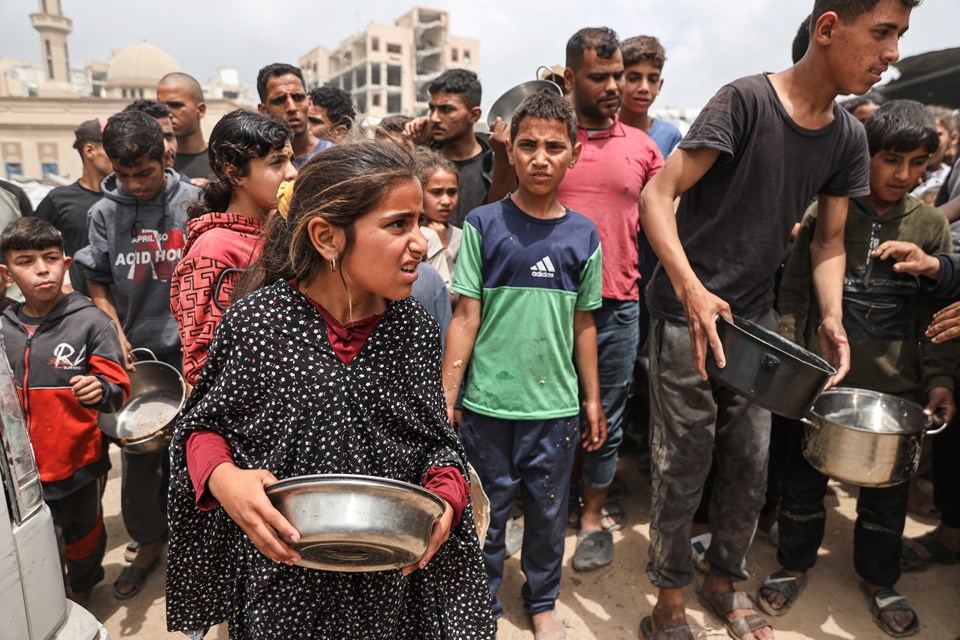
Gaza’s blockade continues
Details of the Humanitarian Crisis
During this 80-day siege, it has been reported that 58 individuals have died due to malnutrition , while 242 succumbed to food and medicine shortages . Additionally, 26 patients suffering from kidney diseases failed to receive adequate medical care, leading to further fatalities. Furthermore, over 300 cases of miscarriages have been documented, highlighting the extent of the suffering faced by families in Gaza due to the ongoing blockade.
The Psychological and Physical Toll on Children
Children like Mohammed Yasin are not only affected physically by malnutrition but also suffer psychological consequences. The trauma of losing friends, family, and in some cases, the very will to live, leaves deep emotional scars. Experts believe that the experiences of children in conflict zones can lead to long-term mental health issues , including depression, anxiety, and PTSD.
The Role of Humanitarian Organizations
Humanitarian organizations have been vocal about the need to address the dire conditions in Gaza. They advocate for unrestricted access to food, clean water, and medical supplies. According to reports, the situation continues to escalate, making it increasingly difficult for these organizations to provide the necessary aid. Constraints imposed by the blockade impact their operations, making it essential for the international community to step in and facilitate aid delivery.
The Global Response and Responsibility
The ongoing despair in Gaza raises critical questions about global responsibility and the role of nation-states in protecting human rights. The international community faces a moral imperative to act against the humanitarian crisis. Prominent leaders and organizations worldwide have begun to call for stronger actions against the parties involved, suggesting that more robust diplomatic measures are necessary to alleviate the suffering of innocent civilians.
The Need for Lasting Solutions
Addressing the humanitarian crisis in Gaza requires not only immediate aid but also long-term solutions that pave the way for peace and stability in the region. Experts claim that sustainable diplomatic efforts are essential to ensure that such tragedies do not become commonplace. Individuals and nations must work together to find a resolution to the ongoing conflict while ensuring that the fundamental rights of all people are respected.
As the world watches, the plight of children like Mohammed Yasin serves as a poignant reminder of the urgent necessity for action. The stakes are high, and the time for decisive and compassionate human action couldn’t be more critical. If the voices advocating for the rights of the vulnerable are not heard, more innocent lives will be lost, and tragedies like that of Yasin will continue to unfold.