
Ukraine’s Diplomatic Struggle: Delays and Ongoing Hostilities
The ongoing conflict between Russia and Ukraine has reached a critical juncture, with significant diplomatic and military developments unfolding. As the war continues, the absence of timely communication from Russia has exacerbated tensions, particularly regarding the promised peace memorandum that President Vladimir Putin indicated would be shared with Ukraine. Andrii Sybiha, the Ukrainian Minister of Foreign Affairs, expressed his frustrations over the situation.
The Promise of Peace: A Delayed Memorandum
A week has passed since discussions took place in Istanbul, yet Russia has still not transmitted the "peace memorandum" it promised. Sybiha lamented on social media platform X, where he emphasized the urgency of receiving this document. He articulated that the lack of communication from Russia is particularly concerning, as civilians are suffering due to continuous military aggression. Footage of recent bombings in Kyiv, which injured 15 individuals, serves as a stark reminder of the fragile state of peace in the region.
This situation raises questions about Russia’s sincerity in pursuing diplomatic resolutions. Instead of fostering dialogue, the Kremlin’s actions suggest a prioritization of military strategies over peaceful negotiations. The slip between Russia’s verbal commitments and actions on the ground illustrates the complexities of international diplomacy.
Ratification or Retaliation?
Sybiha’s statements reveal that instead of adhering to a diplomatic route, Russia continues to intensify its military actions. The Ukrainian minister characterized the situation as an "obvious proof" that increased sanctions against Russia are necessary to foster a conducive environment for peace. He strongly believes that until Russia curtails its hostilities, achieving a sustainable agreement will remain a distant goal. This bears significant implications for international relations and negotiations, as pressure tactics often lead to more entrenched positions.
The Ukrainian population remains in a vulnerable state, caught in the crossfire of escalating military actions. Reports of drone strikes and missile attacks on civilian targets have raised alarms among humanitarian organizations, emphasizing the urgent need for international intervention. The situation calls for greater accountability on the part of Russian authorities, who, despite their public declarations, appear disengaged from actual peace efforts.
What’s Next for Ukraine-Russia Relations?
Despite setbacks, the diplomatic path is not entirely closed. After a recent phone conversation between Vladimir Putin and his American counterpart, it was announced that Russia is, indeed, ready to collaborate with Ukraine on a memorandum concerning potential peace treaties. However, this goodwill gesture remains unsubstantiated without tangible action from the Russian side.
Russian Foreign Minister Sergei Lavrov indicated that Moscow is developing a document outlining the conditions for a long-term resolution. This development raises questions about the feasibility of their proposed Memorandum, particularly given the repeated failure to deliver it as promised. The focus on the exchange of prisoners suggests that Russia is still inclined to negotiate, but whether this is a genuine commitment to peace is open to interpretation.
The Prisoner Exchange: A Step Towards Negotiation?
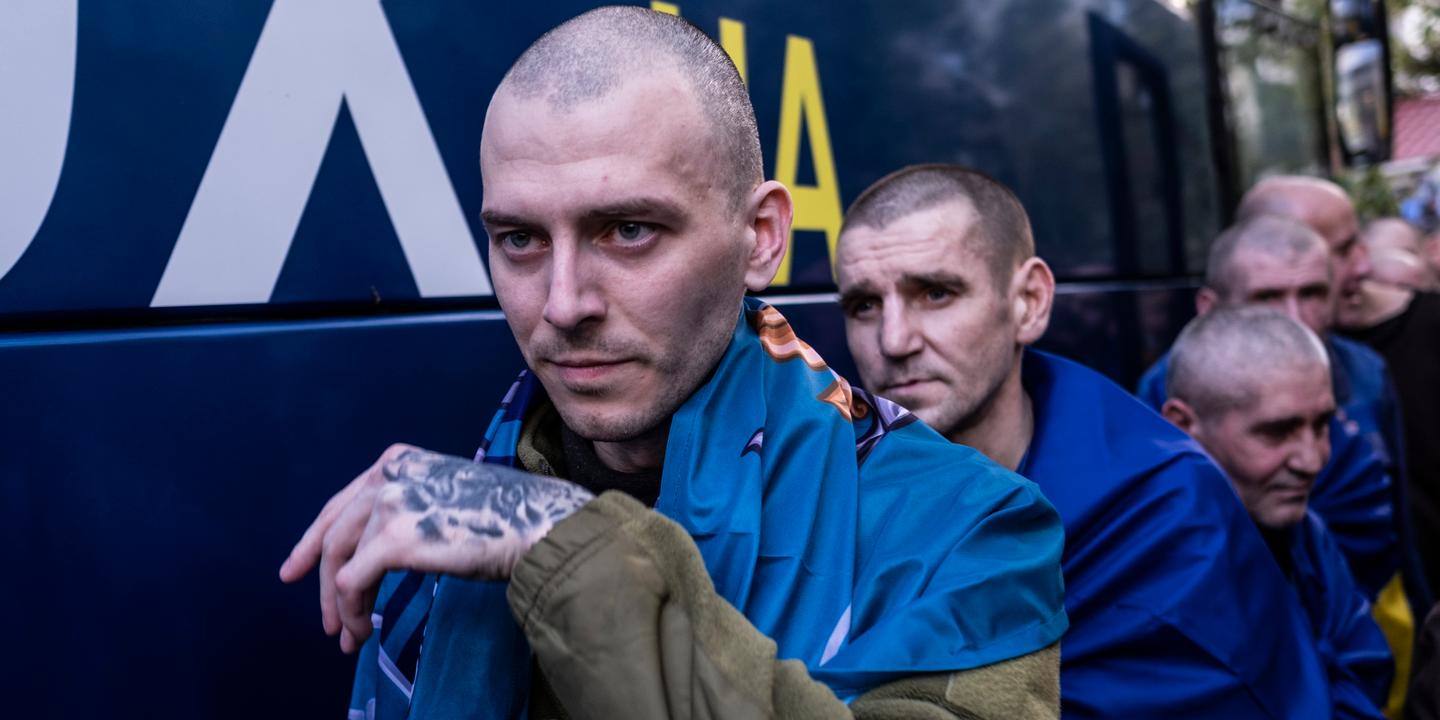
The recent prisoner exchange between Russia and Ukraine—referred to as the "1,000 for 1,000" format—illustrates that negotiations are ongoing, albeit in a fragmented manner. Each side managed to reclaim several hundred soldiers and civilians, which is a positive step forward but cannot overshadow the broader challenges at play. Future phases of this exchange are indeed crucial, as they may set the stage for more significant discussions, contingent upon mutual trust and cooperation.
However, the complexities of the current geopolitical landscape should not be underestimated. Governments and defense agencies must navigate a labyrinth of interests, alliances, and historical grievances that complicate the peace process. The exchange of prisoners is just one element of a larger puzzle, and success depends on a multifaceted approach that involves ceasefires, diplomatic dialogue, and the assurance of safety for civilians.
International Community’s Role
The international community has an unmistakable role in mediating between Ukraine and Russia. As both parties grapple with their internal and external political pressures, organizations such as the United Nations and the European Union can provide essential frameworks for negotiation. They are in a position to impose sanctions that may compel compliance from Russian authorities while simultaneously extending humanitarian aid to those affected by the conflict.
Furthermore, a unified stance from Western nations against military aggression can bolster Ukraine’s resolve. The ramifications of this conflict extend beyond national borders, affecting global diplomacy, energy security, and economic stability. A comprehensive international approach is vital to achieving a sustainable resolution that caters to the interests of all involved parties.
In conclusion, while there are promising indicators for future negotiations between Russia and Ukraine, substantial hurdles remain. The hope for peace hinges on the commitments made, both verbal and actionable, in the upcoming weeks and months. As the world watches closely, the stakes of diplomacy and dialogue intensify, emphasizing that ending the conflict will require a concerted effort from all corners of the globe.