
Russia’s Delayed Peace Memorandum: A Cause for Concern
It has been over a week since the crucial meeting in Istanbul, where Russian president Vladimir Putin pledged to send a “peace memorandum” to Ukraine. However, as of now, that promise remains unfulfilled. The Ukrainian Minister of Foreign Affairs, Andrii Sybiha, expressed his disappointment through a post on X, highlighting the lack of communication from Russia. He stated, “A week has passed since the meeting in Istanbul, and Russia has still not sent its peace memorandum.” This delay raises significant concerns about Moscow’s intentions and its commitment to diplomatic discussions.
Russia’s Military Actions Contradict Peace Efforts
While awaiting a response from Russia, Ukraine has faced continued aggression. Minister Sybiha pointed out that instead of moving towards peace, Russia has escalated its military actions. “Instead, their army launches drones and deadly missiles on civilians,” he lamented. This statement underscores the grim reality that Russia’s actions directly contradict its claimed willingness to engage in constructive dialogue. Recent bombing incidents in Kyiv, which resulted in injury to at least 15 civilians, serve as painful reminders of the conflict’s ongoing human cost. The international community is left observing what appears to be a deliberate strategy to undermine peace overtures.
Putin’s Statements: A Mixed Message
In the aftermath of a telephone conversation with former U.S. president Donald Trump, Putin claimed that Russia was ready “to work with the Ukrainian part of a memorandum concerning a possible future peace treaty.” This statement could be seen as an olive branch; however, it also raises questions about its sincerity. If Russia genuinely intends to pursue peace, why has it not yet transmitted the memorandum? The lack of follow-through on these diplomatic gestures adds to the skepticism surrounding Russia’s true goals.
The Role of International Sanctions
Minister Sybiha emphasized the need for increased international pressure on Russia, suggesting that “an increase in sanctions imposed in Moscow is necessary to accelerate the peace process.” This highlights the critical role that the international community plays in influencing Russia’s behavior. Economic sanctions have often been used as tools to compel nations to adhere to diplomatic norms. The effectiveness of these measures will depend on the unity and resolve of various nations in maintaining pressure on Moscow.
Ongoing Prisoner Exchanges: A Ray of Hope?
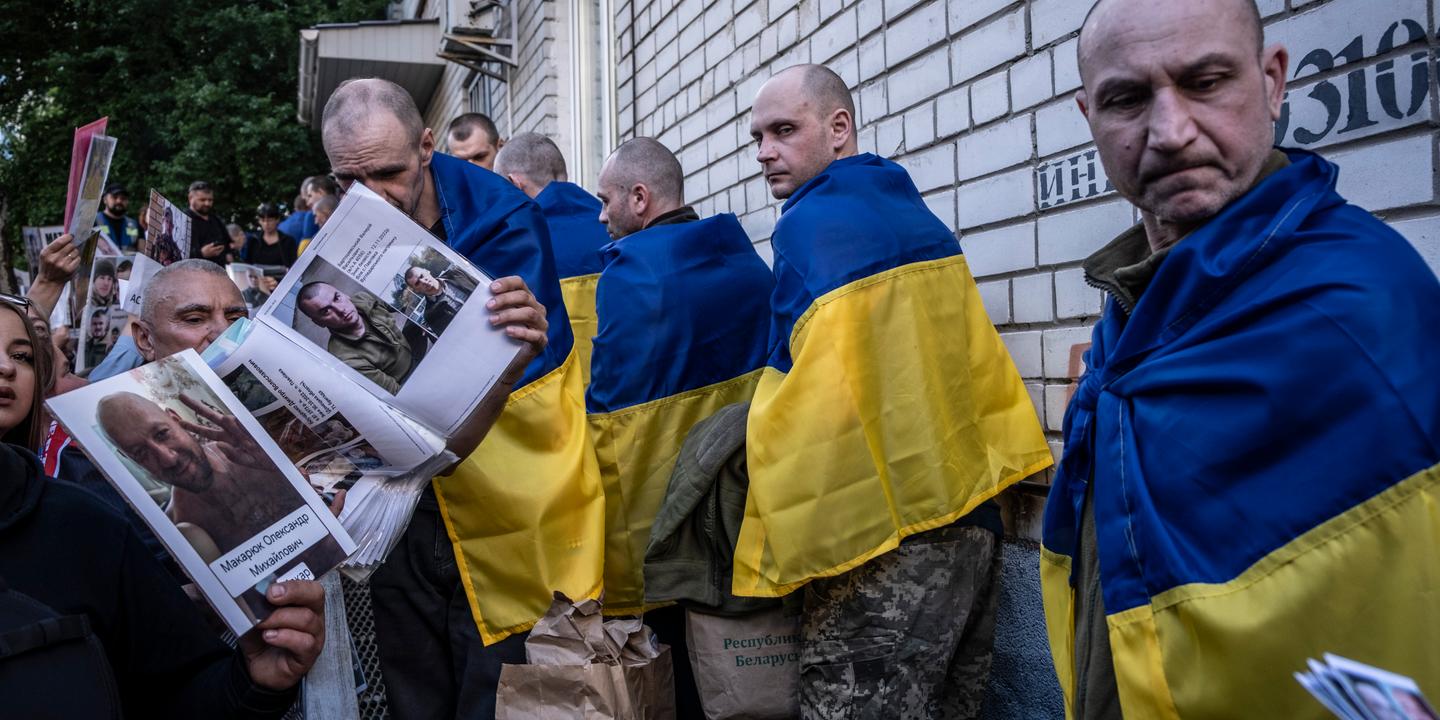
Amidst the military conflict and stalled negotiations, there has been some progress in humanitarian efforts. Russian diplomacy chief Sergei Lavrov announced that Moscow is preparing a document outlining “The conditions for a sustainable, global and long-term settlement agreement.” This memorandum is expected to be sent to Ukraine once ongoing prisoner exchanges are formalized. On Friday, the first exchange, consisting of a “1,000 for 1,000” format, successfully returned 270 soldiers and 120 civilians to their respective camps. Subsequent phases of the exchange are planned for the following days.
Challenges Ahead: Trust and Verification
The road to a lasting peace is fraught with challenges, particularly the issue of trust. Both sides must engage in a process that validates their commitments and ensures compliance with agreed-upon terms. The historical distrust between Russia and Ukraine complicates these efforts; each side must work diligently to rebuild confidence. Effective verification mechanisms will be essential in ensuring that promises, like the proposed peace memorandum, are honored.
The Human Cost of Prolonged Conflict
As discussions continue, the need for humanitarian considerations remains paramount. Civilians bear the brunt of ongoing hostilities, and every delay in reaching a comprehensive peace deal exacerbates their suffering. The recent attacks on civilian areas in Kyiv starkly illustrate the ongoing danger faced by innocent people caught in the crossfire. Therefore, international humanitarian organizations play a critical role in providing support and relief to those affected by the conflict.
Conclusion: A Call for Genuine Dialogue
The situation remains tense as both Russia and Ukraine navigate a landscape shaped by mistrust and military aggression. The lack of a timely response regarding the peace memorandum raises red flags about Russia’s commitment to a diplomatic solution. However, the ongoing prisoner exchanges offer a glimmer of hope and indicate that dialogue remains possible. Moving forward, the international community must emphasize the importance of genuine dialogue and tangible actions to bring about a durable peace in the region.