
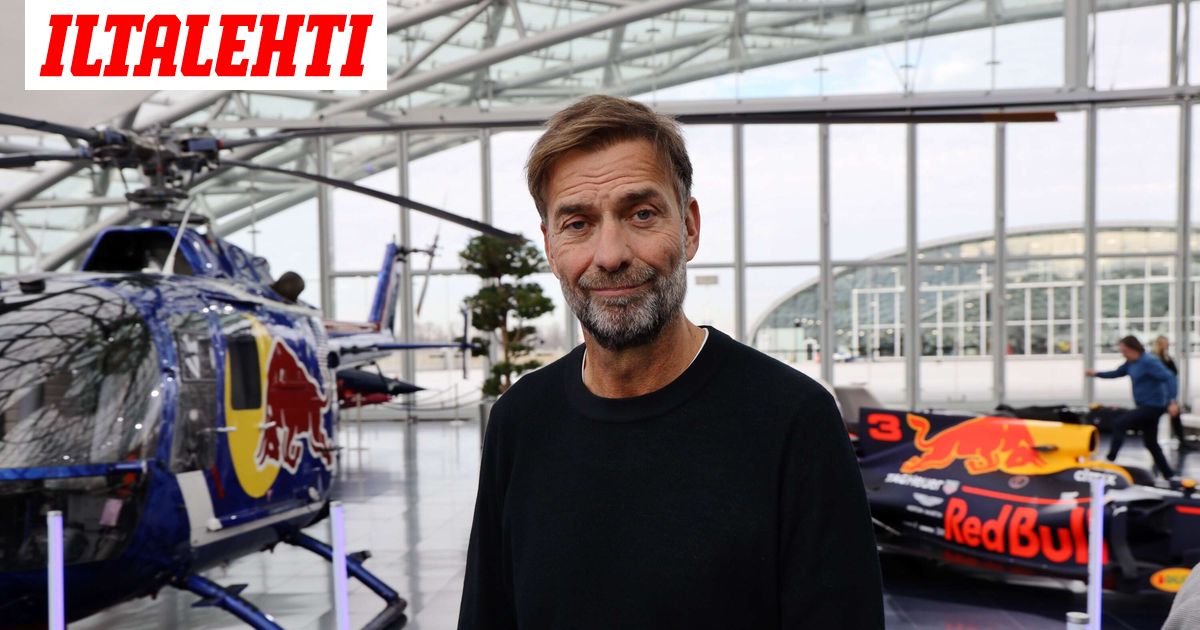
Jürgen Klopp’s Criticism of Liverpool Supporters
In a surprising turn of events, former Liverpool manager Jürgen Klopp publicly criticized the fans who booed Trent Alexander-Arnold during a recent match against Arsenal. This incident has sparked discussions about the expectations and responsibilities of football supporters, particularly towards long-serving players.
The Incident at Anfield
During a crucial Premier League encounter two weeks ago, Alexander-Arnold, who has dedicated nine years to Liverpool, came on as a substitute. Instead of the warm welcome one might expect, he was met with a chorus of boos from sections of the home crowd at Anfield. This reaction shocked Klopp, who believed that the right sentiment should have prevailed for a player of Alexander-Arnold’s caliber. After all, he has been a loyal servant to the club and has contributed significantly to its success.
Klopp, reflecting on that moment, shared his feelings during a charity event. He recalls watching the Arsenal game on television, initially believing it was a sound issue. When he turned up the volume, it became clear that the crowd’s reaction was indeed negative, prompting a strong emotional response from the legendary manager.
Klopp’s Disappointment
“It took me ten seconds to realize what was happening,” Klopp stated, adding, “I was honestly disappointed at that moment. We are not those kinds of supporters.” His comments highlight a crucial aspect of football culture: the connection between fans and players. For Klopp, the treatment of Alexander-Arnold was symptomatic of a broader issue within the fanbase.
The 24-year-old right-back is not only a homegrown talent but has also been instrumental in Liverpool’s recent successes, including a Premier League title. For many, it is this loyalty and commitment that should demand respect and admiration from fans, even during challenging times.
Transitioning to Real Madrid
As the season draws to a close, Alexander-Arnold’s impending transfer to Real Madrid on a free transfer has added another layer of complexity to the situation. His departure marks the end of an era for many Liverpool supporters who have seen him grow into one of the best full-backs in the world.
With the final game of the season approaching against Crystal Palace, fans have mixed feelings. Some cherish the moments Alexander-Arnold contributed to the club, while others may reflect on the disappointment from the Arsenal match. This duality embodies the passionate nature of football, where emotions can shift dramatically from adoration to frustration in an instant.
The Role of Fans in Football Culture
Football is often described as more than just a game—it is an emotional journey that binds players and fans together. Supporters influence not only the atmosphere during matches but also the mental state of athletes. A boo can reverberate beyond the pitch, affecting players’ confidence and morale.
This situation begs the question: what is the ethical responsibility of fans? Should they hold their heroes to unwavering standards, or should they embrace the complexities of an athlete’s journey? Klopp’s remarks emphasize the need for reflection within fan culture, advocating for understanding and support, particularly for those who have given so much to wear the club’s colors.
The Future of Liverpool FC
As Liverpool prepares for the upcoming season, the club must face challenges both on and off the pitch. The departure of a key player like Alexander-Arnold leaves questions about succession and adaptation. In the wake of this incident, it is essential for Liverpool fans to align themselves with the club’s values—supporting players through highs and lows.
Investing emotionally in football is what makes the sport special. Yet, Klopp’s critique signals the need for a cultural shift among supporters. It invites a broader discussion on loyalty, respect, and the long-term vision for the club.
Conclusion
In summary, Jürgen Klopp’s recent criticism of Liverpool fans serves as a vital reminder of the role supporters play in shaping the experiences of players. As Trent Alexander-Arnold prepares to leave the club, it is crucial for the fanbase to reflect on their approach to support. A mutual positive relationship between players and fans is essential for fostering a healthy footballing environment. Ultimately, all stakeholders—players, managers, and supporters—must strive for a culture of respect and understanding.