
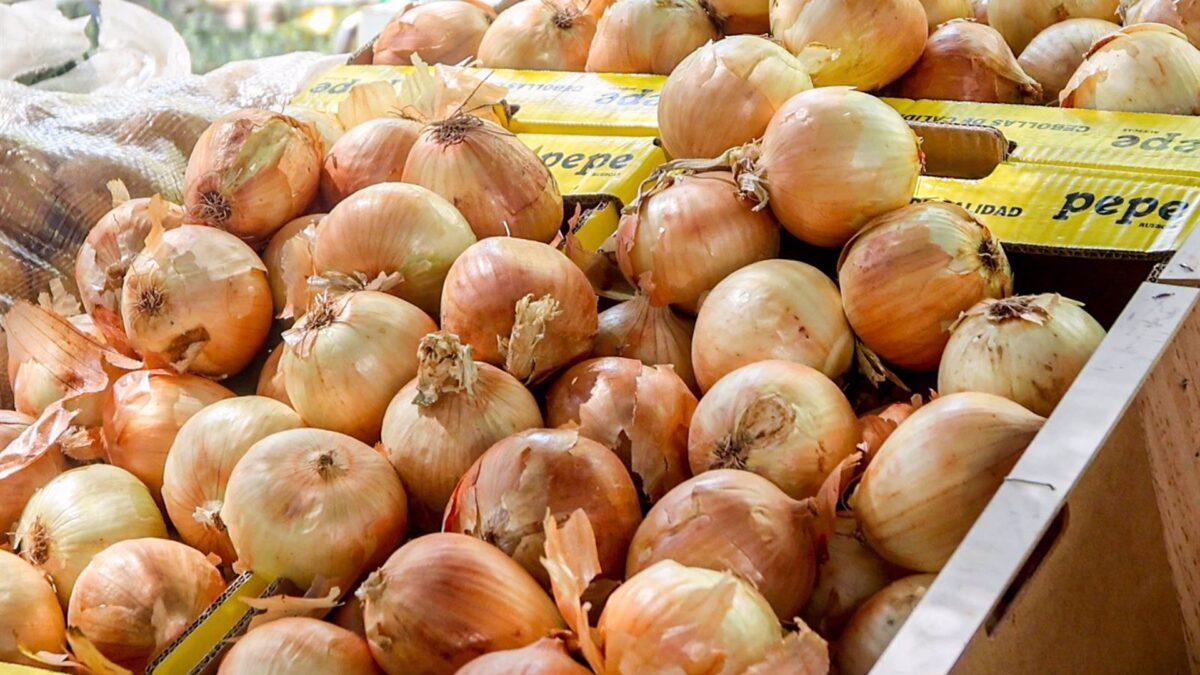
Onion: With or Without?
Onions have been a staple ingredient in kitchens worldwide for centuries. Their presence often ignites debate, particularly about whether they enhance dishes or overpower them. Belonging to the Allium family, onions are the third most cultivated vegetable globally, trailing only tomatoes and potatoes. According to the Ministry of Agriculture, Spain ranks seventh in onion imports, following India, the Netherlands, China, the United States, and Argentina. These bulbous vegetables are composed of 89% water and are rich in essential nutrients such as fiber, iron, vitamin C, potassium, and calcium, along with beneficial compounds like flavonoids and sulfur.
Historical Cultivation of Onions
The exact origin of the onion remains a mystery for botanists, but it is widely believed to have originated in Central Asia – the regions that are now India, Pakistan, and Afghanistan. One well-documented historical fact is that the ancient Egyptians revered onions. Inscriptions found in the pyramids show onions as objects of worship, which were integral to the diets of the laborers who built these monumental structures.
The Ancient Greeks and Romans
Moving through time, both the ancient Greeks and Romans held onions in high regard. Notably, Hippocrates, often termed the father of medicine, recommended onions for treating pneumonia, healing wounds, and acting as diuretics. However, their culinary usage gained widespread popularity only during the Middle Ages, eventually making their way to the Americas on ships accompanying Spanish conquerors.
Nutritional Benefits of Onions
Onions are primarily composed of water, but they offer a wealth of health benefits due to their fiber and potassium content. They are also a good source of vitamin C, calcium, and phosphorus. Perhaps most interesting is quercetin, a powerful flavonoid that functions as an antioxidant, inhibiting the oxidation of what is commonly referred to as bad cholesterol—the fat that clogs arteries and can lead to cardiovascular issues.
Some significant benefits of consuming onions include:
- Lowers Blood Pressure: The flavonoids in onions help lower blood pressure levels and prevent blood clots.
- Antibacterial Properties: Eating raw onions can yield antifungal and antibacterial effects.
- Antioxidant Defense: Quercetin’s antioxidative properties play a crucial role in preventing oxidative stress.
- Prebiotic Effect: Onions encourage the growth of beneficial bacteria in the digestive system.
- Diuretic Properties: Rich in fiber and low in sodium, onions are known for their diuretic qualities.
When to Avoid Onions
Despite their numerous benefits, consuming onions isn’t advisable for everyone. In fact, there’s a fair amount of misinformation illuminated on social media, with myths circulating about remedies involving onions, such as using them for hair growth. Here are conditions where you might want to limit or eliminate onion intake:
- FODMAP Diet: Individuals following a FODMAP diet should refrain from consuming onions due to their high fructan content.
- Reflux and Gas Issues: People with sensitive digestive systems might experience discomfort from onion consumption, especially raw.
- Bad Breath: Onions can lead to halitosis due to sulfur compounds that enter the bloodstream and exit via breath.
- Allergic Reactions: Some individuals may have an allergy to onions, which is often related to pollen allergies.
Overall, onions can be an integral part of a healthy diet, contributing essential nutrients and health benefits. However, individuals with specific dietary restrictions or health issues should consult their healthcare providers to determine if onions fit into their meal planning. Understanding both the culinary versatility and nutritional value of onions can help make informed choices, enriching dishes while being mindful of personal health.