
The Legislative Shift: End-of-Life Assistance In France
On May 24, a significant decision was made as the deputies in France approved the creation of a new hindrance offense for assistance in dying. This move has stirred up controversy and discussions surrounding the definition of help and its limitations. The offense focuses on preventing or attempting to prevent individuals from “practicing or learning” how to legally choose to end their own life under controlled circumstances.
The newly proposed offense, characterized as an obstruction of access to places assisting in dying, can involve various forms of directional pressures. This includes moral or psychological coercion , threats, or any forms of intimidation directed towards patients or healthcare professionals . It closely resembles the existing laws against hindering voluntary termination of pregnancy ( abortion ).
In the recent legislative proposal, the deputies also proposed increasing the punitive measures linked to this offense, raising potential penalties to two years in prison and a €30,000 fine . This proposed measure is on par with existing sanctions concerning abortion laws, showcasing the serious nature of this new legislative action. The voting outcome illustrated the divided opinions on this topic, passing with 84 votes in favor and 49 against.
“What are the limits of interpreting this offense of obstruction?” questioned deputy Thibault Bazin from the Republicans ( LR ). “How will this affect the prevention of suicide or even the non-assistance to a person in danger?”
A Solemn Vote Scheduled for Tuesday
Several other parliamentarians also expressed concerns regarding the implications of this new law, particularly how it might impact family dynamics and potential scenarios where relatives could attempt to dissuade a loved one from choosing to die. As Patrick Hetzel from LR noted, “The wording of this obstruction offense seems to introduce a level of arbitrariness that is troubling.”
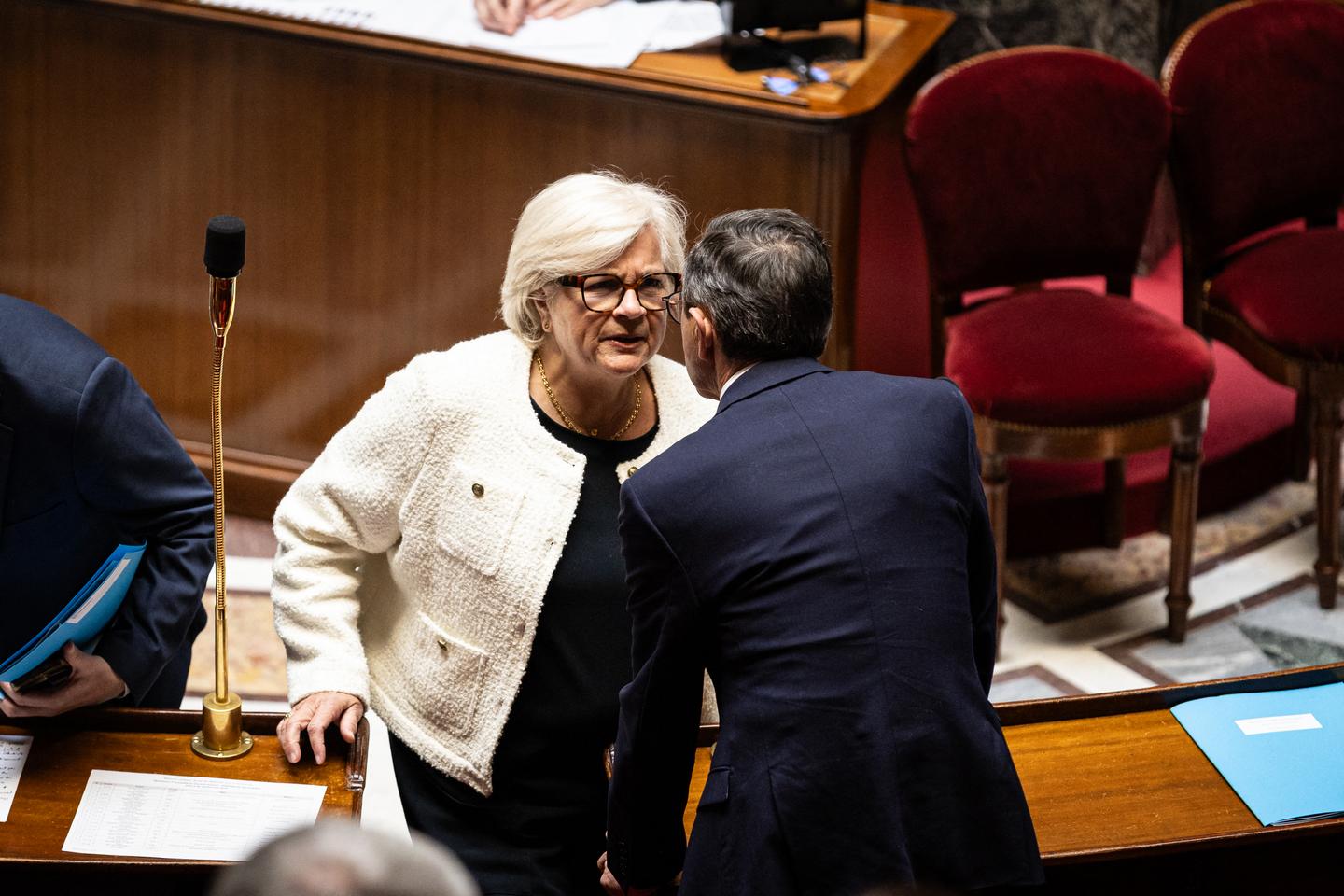
In response to the concerns raised, Minister of Health, Catherine Vautrin , sought to reassure her fellow deputies, asserting, “What we are inclined to say is that family discussions are obviously a personal matter, not necessarily constituted as offensive hindrance .” Vautrin invoked prior rulings from the Constitutional Council , emphasizing that palliative care , sharing doubts, and facilitating dialogue should not be misconstrued as coercion.
Despite attempts by MPs to incorporate a clause of “incentive to assist in dying” aimed at balancing the bill, the proposal was declined. Deputy Cyrille Isaac-Sibille from the Democratic Movement stated, “We have to either prevent or incite,” while Elise Leboucher from La France Insoumise countered that creating an incentive offense was impractical, asserting, “The existing legal framework adequately addresses the risks of coercive actions .” Vautrin reiterated the sufficiency of the current legal measures against abusive practices.
This content emphasizes the critical developments surrounding end-of-life legislation in France while maintaining a clear, engaging structure suitable for informational purposes.